Introduction
Aztec West, generally associated with the Aztec Ruins complex near present-day Aztec, New Mexico, is one of the most significant Ancestral Puebloan great-house communities in the American Southwest.
Despite its name, the site was not built by the Aztecs of central Mexico.
The name was assigned much later by Euro-American settlers who initially misunderstood the archaeological remains.
The community flourished primarily during the twelfth and thirteenth centuries and appears to have maintained strong connections with the Chacoan tradition.
Architecture
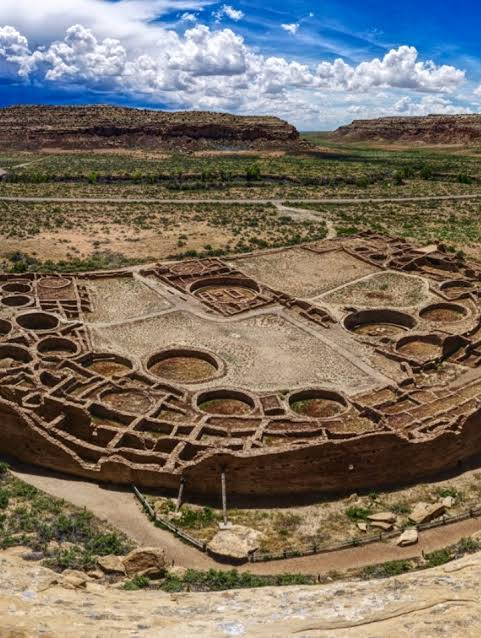
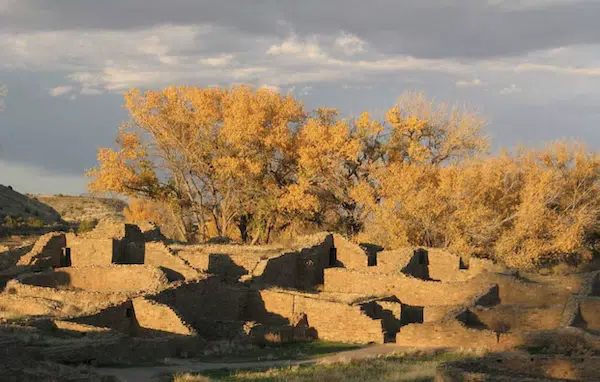
The great house contains hundreds of rooms.
Its architecture includes:
masonry room blocks;
plazas;
ceremonial spaces;
kivas;
storage areas;
residential rooms.
The scale demonstrates substantial labor investment.
Chacoan Connections
Architectural similarities with Chaco Canyon suggest that the community participated in a wider regional tradition.
These similarities include:
planned room arrangements;
masonry techniques;
great kivas;
formal plazas;
architectural orientation.
The Great Kiva
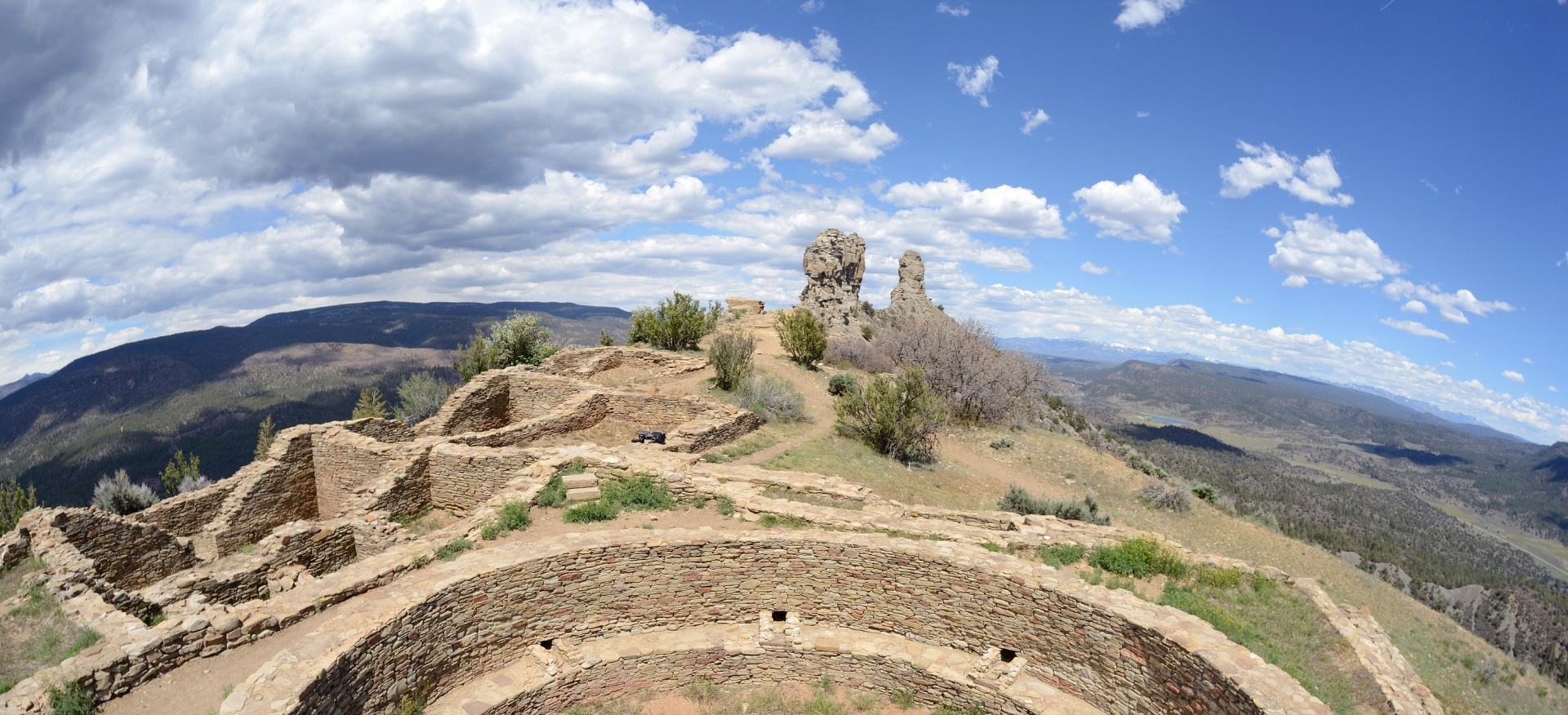
One of the site's most impressive features is its reconstructed great kiva.
Large ceremonial spaces could accommodate significant numbers of people.
They may have supported community rituals and helped create shared social identities.
Everyday Life
Despite monumental architecture, most residents still depended on ordinary household activities.
They needed to:
prepare food;
cultivate crops;
make pottery;
repair tools;
process hides;
gather fuel;
maintain homes.
Archaeology makes it possible to reconstruct these activities through microscopic and macroscopic evidence.
Agriculture
Maize agriculture was fundamental.
Farmers also cultivated beans and squash.
Agriculture was vulnerable to drought and seasonal variability.
Food storage therefore played an important role in community survival.
Water Management
The region's environment required careful water management.
Residents relied on natural water sources and agricultural strategies adapted to local conditions.
Trade and Interaction
Artifacts indicate connections extending beyond the immediate area.
Trade networks moved:
turquoise;
shell;
ceramics;
stone;
food resources.
These exchanges helped connect communities throughout the Southwest.
Migration and Cultural Change
The settlement experienced significant demographic changes.
People with connections to different regions may have moved into the area.
This means that architectural similarities do not necessarily indicate political domination.
Cultural interaction could occur through migration, marriage, exchange, and religious relationships.
Abandonment
Like many major Ancestral Puebloan settlements, Aztec West was abandoned during the thirteenth century.
The reasons were complex.
Researchers consider:
drought;
resource stress;
social conflict;
migration;
political transformation.
The descendants of these communities did not simply disappear. Many later Pueblo peoples maintain cultural traditions connected to the broader ancestral landscape.
Conclusion
Aztec West is an extraordinary example of Ancestral Puebloan architecture and social organization.
Its great house, ceremonial spaces, household remains, and regional connections reveal a society capable of monumental construction while maintaining sophisticated agricultural and social systems.