Introduction
Casamero Pueblo is an archaeological site associated with the broader Chacoan architectural tradition of the American Southwest.
Located in northwestern New Mexico, the site forms part of a larger landscape of communities that shared architectural styles and cultural connections with Chaco Canyon.
Its importance lies not simply in its physical structures but in what it reveals about how communities participated in regional systems of architecture, ritual, agriculture, and exchange.
What Was a Chaco Outlier?
The term "Chaco outlier" refers to settlements outside Chaco Canyon that display significant architectural or cultural connections with the Chacoan system.
These communities were not necessarily colonies.
They could have maintained their own local identities while participating in regional networks.
Architecture
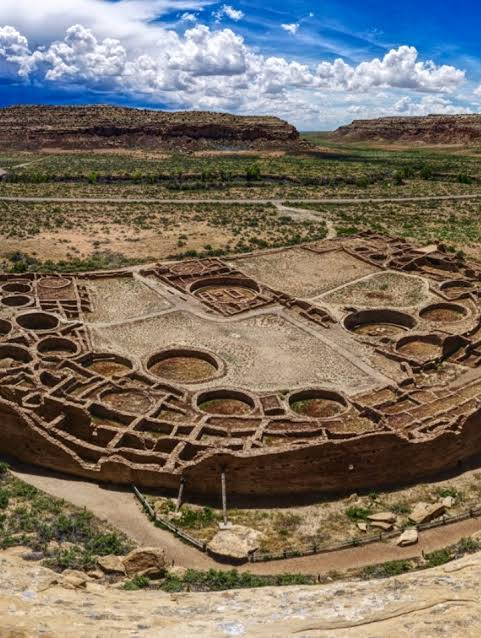
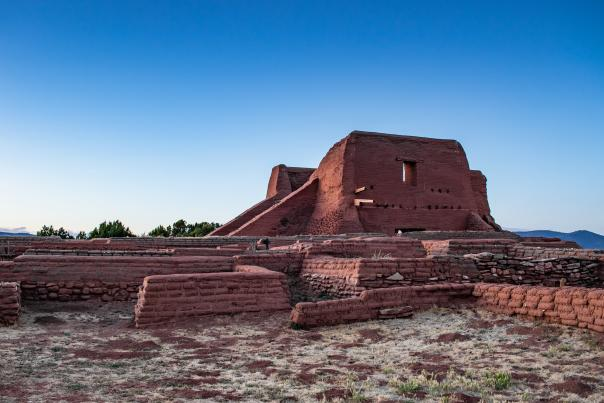
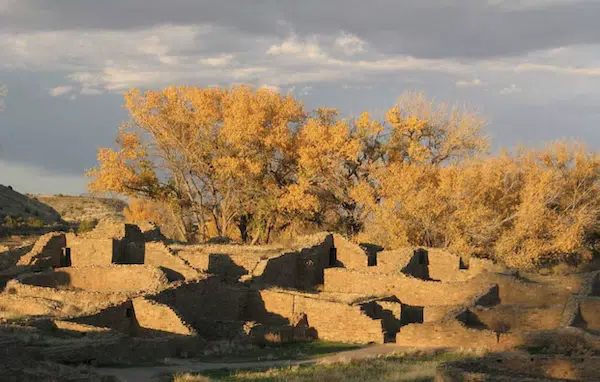
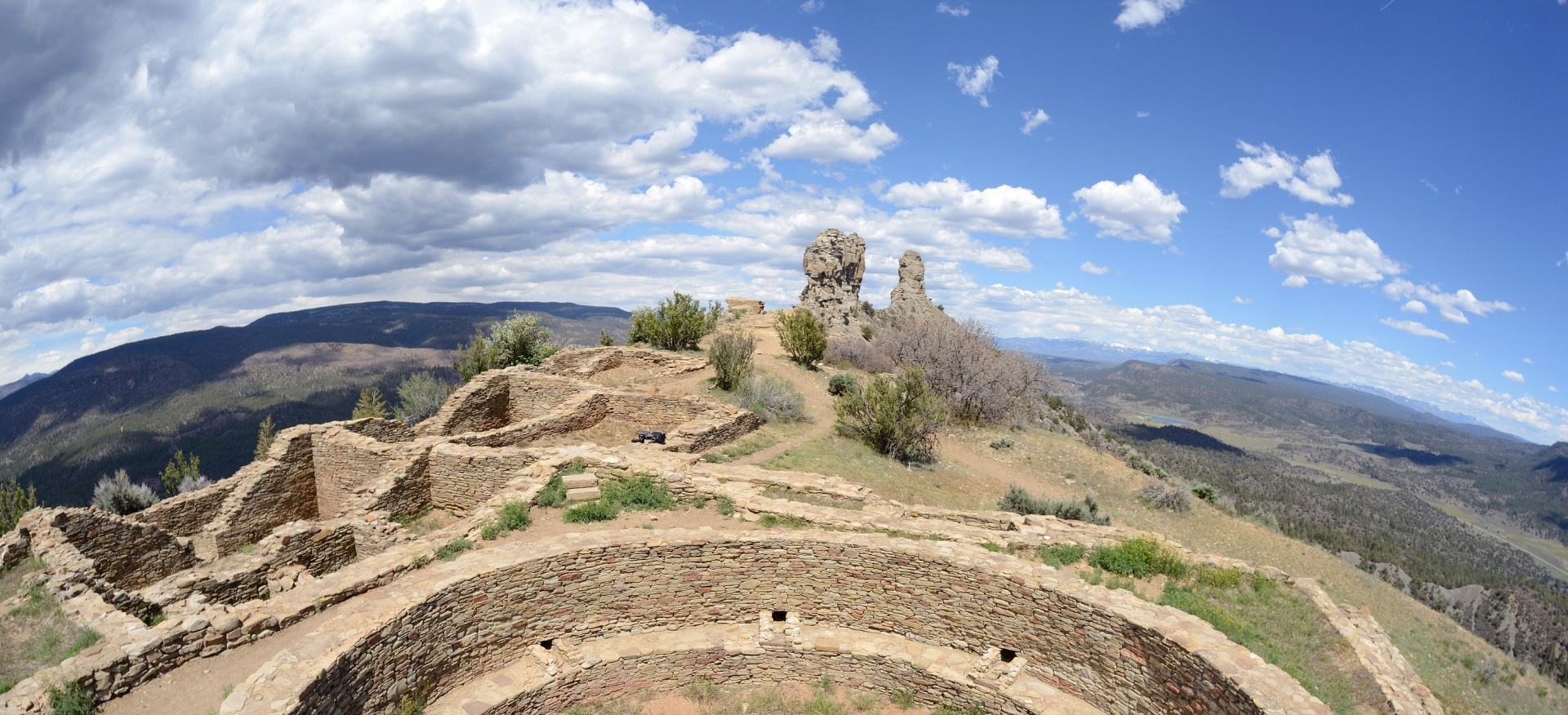
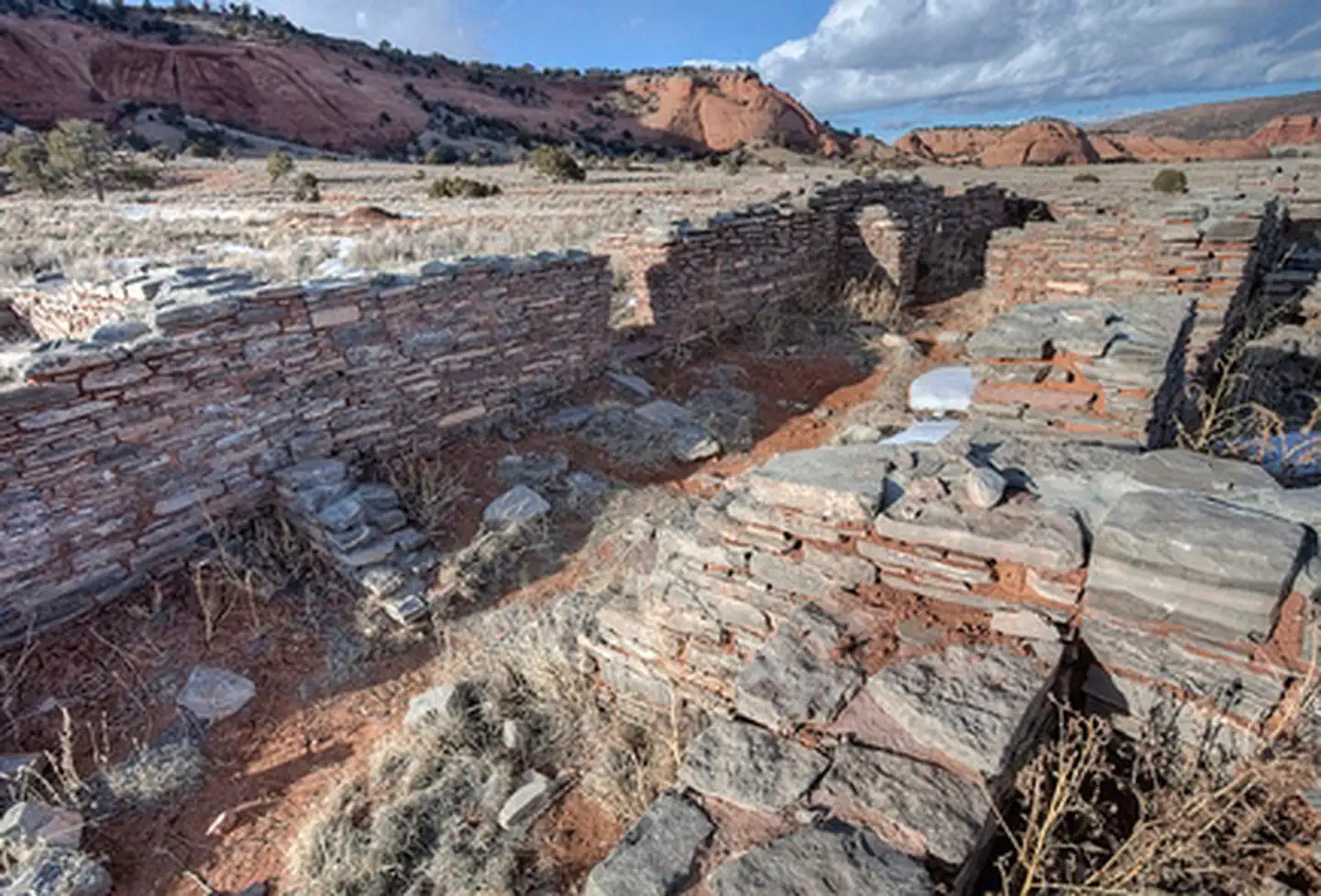
Casamero contains masonry structures characteristic of Ancestral Puebloan construction.
Stone was carefully shaped and arranged to create:
residential rooms;
ceremonial spaces;
walls;
plazas;
storage areas.
Construction required substantial investment.
Great Houses and Social Organization
Large buildings may have functioned as more than residences.
They could serve as:
ceremonial centers;
gathering places;
administrative spaces;
symbols of community identity.
Architecture therefore provides clues about social organization.
Agricultural Life
Residents depended on farming.
Maize was central to the diet, while beans and squash supplemented agricultural production.
Farmers also relied on wild plants and animals.
This mixed economy reduced dependence on a single food source.
The Importance of Water
Agriculture in the Southwest was highly sensitive to precipitation.
Rainfall could vary significantly between years.
Communities therefore developed strategies for maximizing agricultural productivity.
These included:
selecting productive soils;
managing fields;
storing food;
exploiting multiple ecological zones.
Ritual Architecture
Ceremonial structures such as kivas were important components of Ancestral Puebloan communities.
Their presence demonstrates that ritual activity was integrated into settlement planning.
Regional Networks
Casamero's relationship with other Chacoan sites demonstrates that communities were connected.
Networks could involve:
exchange;
pilgrimage;
marriage;
migration;
religious relationships;
political alliances.
The archaeological record does not require all of these relationships to have been centrally controlled.
Abandonment and Migration
The eventual abandonment of Chacoan settlements was part of a much larger transformation across the Southwest.
People relocated to other regions where their descendants established new communities.
Modern Pueblo peoples maintain cultural traditions connected to these ancestral landscapes.
Archaeological Importance
Casamero contributes to the study of how large regional systems functioned without modern transportation or centralized bureaucratic states.
Its existence demonstrates that communities separated by considerable distances could share architectural, religious, and social traditions.
Conclusion
Casamero Pueblo provides another important piece of the Chacoan archaeological puzzle.
Its architecture and regional connections reveal a sophisticated system of interaction across the ancient Southwest.
The site reminds us that Chacoan society was not simply concentrated in one canyon. It was part of a much larger cultural landscape in which distant communities participated in shared traditions while maintaining their own local histories.