• MAIN PAGE
  • LATEST NEWS
    • Lost Cities
    • Archaeology's Greatest Finds
    • Underwater Discoveries
    • Greatest Inventions
    • Studies
    • Blog
  • PHILOSOPHY
  • HISTORY
  • RELIGIONS
    • Africa
    • Anatolia
    • Arabian Peninsula
    • Balkan Region
    • China - East Asia
    • Europe
    • Eurasian Steppe
    • Levant
    • Mesopotamia
    • Oceania - SE Asia
    • Pre-Columbian Civilizations of America
    • Iranian Plateau - Central Asia
    • Indus Valley - South Asia
    • Japan
    • The Archaeologist Editor Group
    • Scientific Studies
    • Aegean Prehistory
    • Historical Period
    • Byzantine Middle Ages
    • Predynastic Period
    • Dynastic Period
    • Greco-Roman Egypt
  • Rome
  • PALEONTOLOGY
  • About us
Menu

The Archaeologist

  • MAIN PAGE
  • LATEST NEWS
  • DISCOVERIES
    • Lost Cities
    • Archaeology's Greatest Finds
    • Underwater Discoveries
    • Greatest Inventions
    • Studies
    • Blog
  • PHILOSOPHY
  • HISTORY
  • RELIGIONS
  • World Civilizations
    • Africa
    • Anatolia
    • Arabian Peninsula
    • Balkan Region
    • China - East Asia
    • Europe
    • Eurasian Steppe
    • Levant
    • Mesopotamia
    • Oceania - SE Asia
    • Pre-Columbian Civilizations of America
    • Iranian Plateau - Central Asia
    • Indus Valley - South Asia
    • Japan
    • The Archaeologist Editor Group
    • Scientific Studies
  • GREECE
    • Aegean Prehistory
    • Historical Period
    • Byzantine Middle Ages
  • Egypt
    • Predynastic Period
    • Dynastic Period
    • Greco-Roman Egypt
  • Rome
  • PALEONTOLOGY
  • About us

Buried Kingdoms Under Volcanos

January 15, 2026

Introduction:
Throughout history, volcanic eruptions have buried entire settlements, preserving them in astonishing detail. These buried kingdoms provide a unique snapshot of ancient life, culture, and disasters.

Pompeii and Herculaneum (Italy):
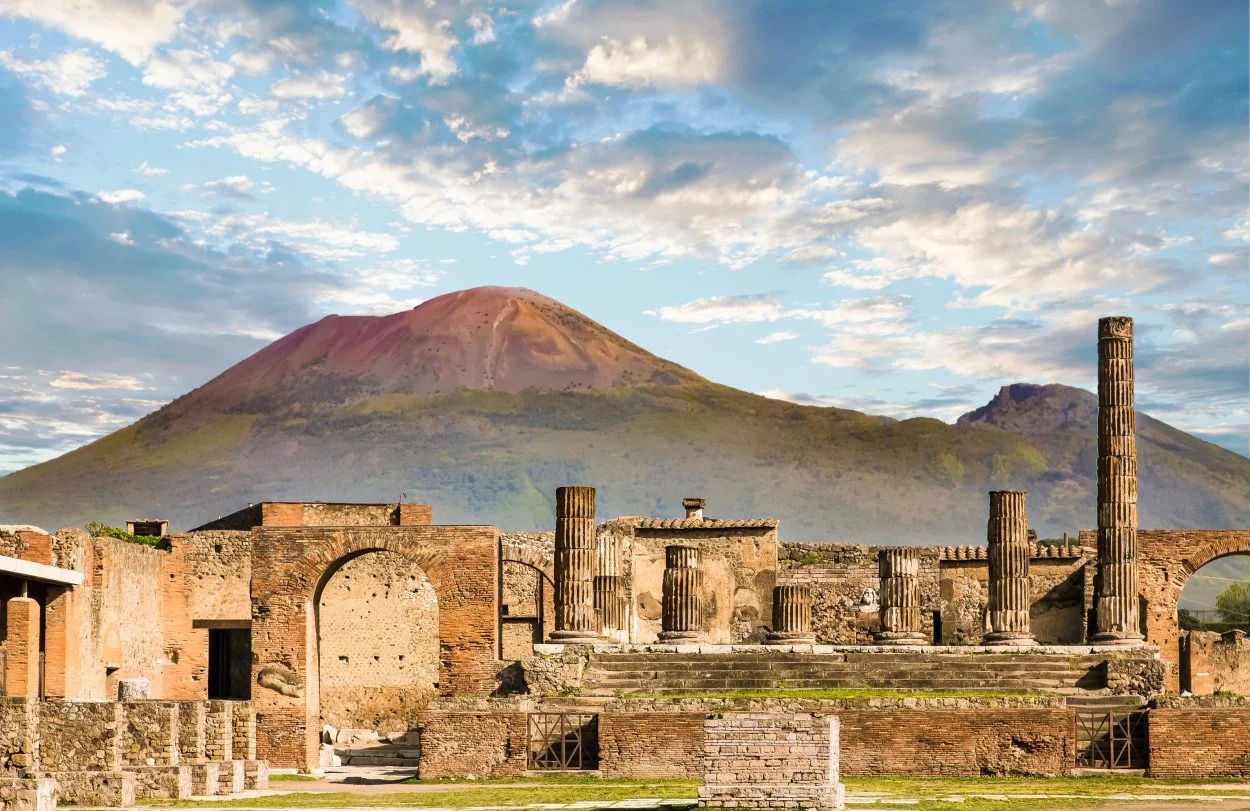
The eruption of Mount Vesuvius in 79 CE engulfed Pompeii and Herculaneum in ash and pumice, freezing daily life in time. Streets, houses, frescoes, tools, and even victims’ bodies provide an unparalleled archaeological record of Roman society.

Akrotiri (Santorini, Greece):
The Minoan city of Akrotiri was buried by the volcanic eruption on Thera (Santorini) around 1600 BCE. Remarkably preserved frescoes, buildings, and artifacts offer insights into Minoan culture, trade, and urban planning.

Cultural and Historical Impact:
These buried kingdoms show how natural disasters shaped civilizations. Ash and lava not only destroyed settlements but also preserved them, offering future generations a unique lens into daily life, religious practices, and architectural techniques.

Archaeological Significance:
Volcanic preservation allows researchers to study organic materials like wood, textiles, and food, which rarely survive in other contexts. Excavations reveal urban layouts, plumbing systems, and artistic expression, creating a holistic view of ancient society.

Conclusion:
Buried kingdoms beneath volcanoes are time capsules, revealing the delicate balance between human activity and natural forces. They underscore both the vulnerability of ancient societies and the remarkable ways in which catastrophic events can preserve history for millennia.
← The Sacred Fire Keepers of PrehistoryAncient Languages That No One Has Ever Deciphered →
Featured
image_2026-01-15_205040149.png
Jan 15, 2026
Ancient Acoustic Chambers with Mysterious Echoes
Jan 15, 2026
Read More →
Jan 15, 2026
image_2026-01-15_204746638.png
Jan 15, 2026
The First People Who Tried to Predict the Future
Jan 15, 2026
Read More →
Jan 15, 2026
image_2026-01-15_204706612.png
Jan 15, 2026
Ancient Roads That Changed the World Forever
Jan 15, 2026
Read More →
Jan 15, 2026
image_2026-01-15_203918136.png
Jan 15, 2026
Pyramids That Are Older Than Egypt
Jan 15, 2026
Read More →
Jan 15, 2026
image_2026-01-15_203232878.png
Jan 15, 2026
The Secret Poison Masters of Antiquity
Jan 15, 2026
Read More →
Jan 15, 2026
image_2026-01-15_202105020.png
Jan 15, 2026
Moon Worship Before the Dawn of History
Jan 15, 2026
Read More →
Jan 15, 2026
read more

Powered by The archaeologist