Introduction:
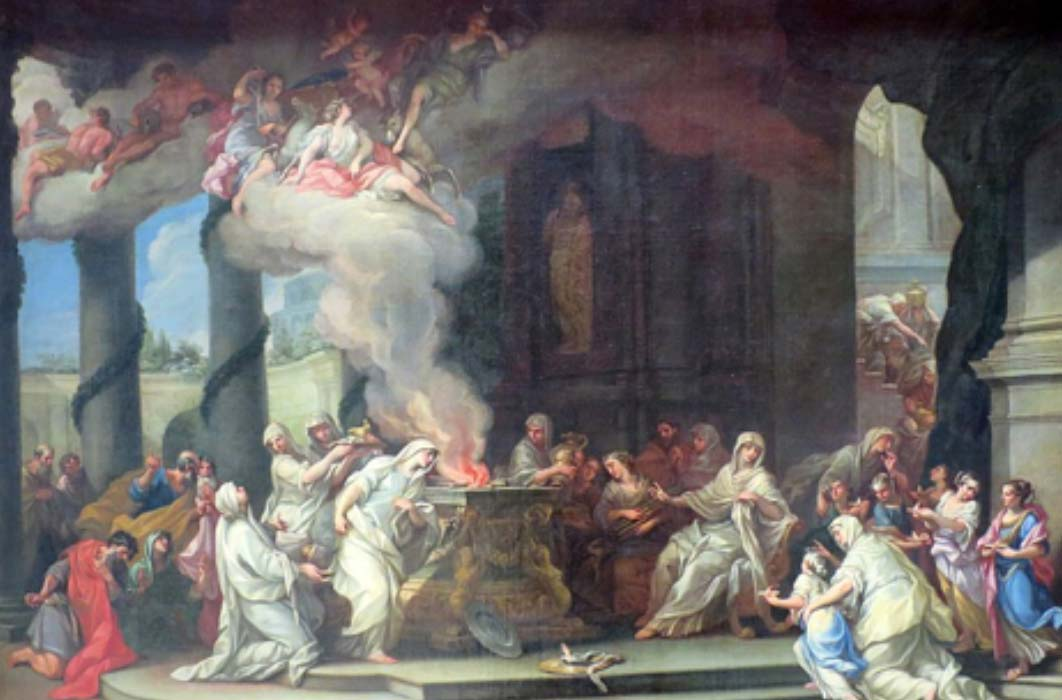
Long before written records, human communities revered fire as both a practical and spiritual force. Some clans or groups were designated as the eternal guardians of sacred flames, ensuring that the fire never went out. These “fire keepers” were vital to survival, ritual, and identity.
Roles and Duties:
Sacred fire keepers maintained flames for domestic use, warmth, cooking, and protection. More importantly, these fires were central to ritual and ceremony. They represented continuity, life, and divine presence. The fire itself was often considered sacred, embodying the gods’ power or the ancestors’ spirits. Extinguishing the flame accidentally could be catastrophic, symbolizing bad omens or divine displeasure.
Cultural Examples:
Zoroastrian Atash Behrams (Persia): Priesthoods maintained fires for centuries, considering them eternal and purifying.
Vedic India: Agni, the fire god, was central in ritual, with priests tending sacred flames to ensure correct offerings and cosmic order.
Prehistoric Europe: Archaeological evidence suggests hearths were preserved in central locations, hinting at communal and ritual importance.
Social and Spiritual Significance:
The fire keepers often held elevated social status, acting as spiritual leaders, advisors, and mediators. They transmitted knowledge, controlled ritual calendars, and maintained the community’s link to the divine. Their role strengthened social cohesion and symbolized the community’s shared identity.
Conclusion:
Sacred fire keepers remind us of humanity’s early understanding of the interplay between natural forces and spiritual life. By preserving eternal flames, they preserved culture, memory, and faith, creating a legacy that influenced later religions and societies worldwide.