Emperor Hirohito should be held accountable, according to scholars who say the wartime ruler was shielded from prosecution by US policy
Chinese scholars argue that Japan’s late Emperor Hirohito should be held legally responsible under international law for the crimes committed by Unit 731, saying he authorised the notorious programme but avoided prosecution due to US policies after World War II.
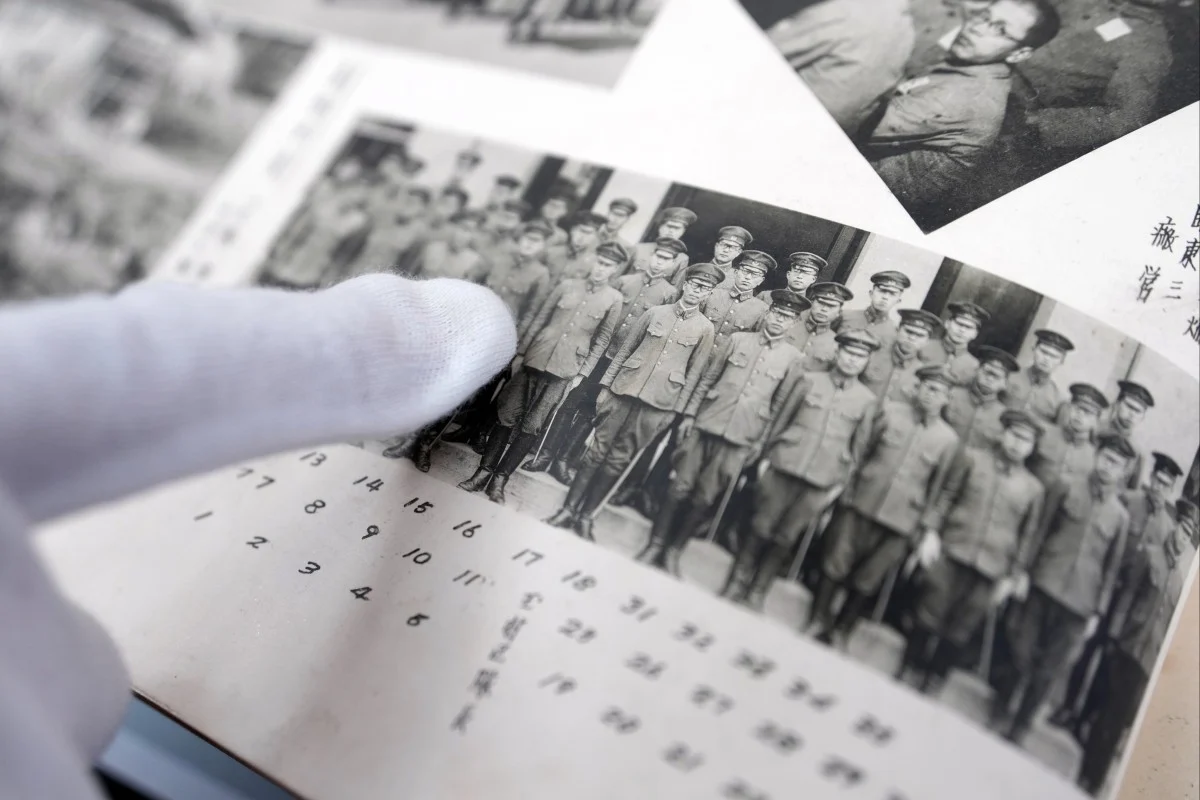
Unit 731, a covert Japanese military operation based in northeastern China, carried out human experimentation, biological warfare, and caused the deaths of tens of thousands of civilians. According to Zhou Donghua, a professor of contemporary history at Hangzhou Normal University, the unit was established by an imperial decree issued in 1936.
Zhou stated that prior to Japan’s surrender, evidence of Unit 731’s crimes was deliberately destroyed on Hirohito’s orders. In a written statement to the South China Morning Post on December 14, Zhou said that ultimate responsibility for the unit’s atrocities could reasonably be placed on the emperor.
His remarks reflect a growing movement among Chinese legal and historical scholars who are pushing to have Unit 731 tried in an international court for crimes against humanity, with Hirohito—who ruled Japan from 1926 until his death in 1989—identified as a principal figure of responsibility.
In a study released this month, researcher Wang Xiaohua and colleagues from the Heilongjiang Provincial Institute of Cultural Relics and Archaeology contended that Unit 731’s operations amounted to a state-sponsored crime rather than isolated actions by individual personnel, meeting the criteria set out under the Nuremberg Code.
Wang added that Hirohito had ordered the expansion of Unit 731 and the relocation of its main headquarters to an area near Harbin.
Despite the scale of Japan’s biological warfare programme across Asia, Zhou noted that only 12 individuals were publicly prosecuted during the Khabarovsk trials.