Archaeologists May Have Found the Burial Site of Viking Leader Ivarr the Boneless
New archaeological research suggests that Ivarr the Boneless, one of the most notorious figures of the Viking Age, could be buried beneath a coastal hill in north-west England. For over a thousand years, the location of his grave has remained a mystery, but a windswept mound overlooking the Irish Sea may offer the strongest lead yet.
A Prominent Coastal Mound
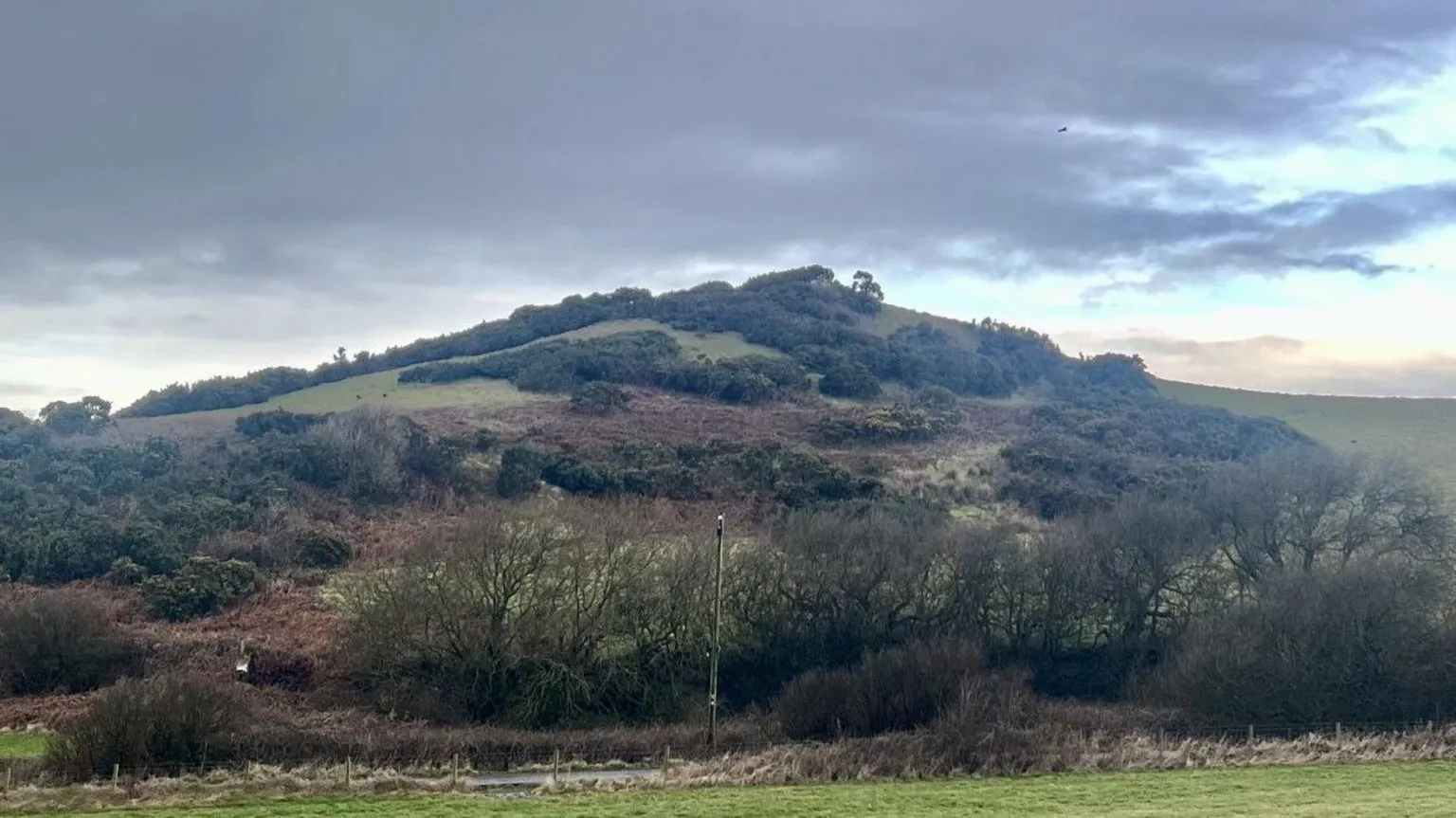
Archaeologist Steve Dickinson, working in Cumbria, believes the mound—known in medieval sources as Coningeshou, or “The King’s Mound”—could conceal the ship burial of the Viking war leader. Measuring approximately 60 meters in diameter and six meters high, the mound’s size aligns with elite Viking burial practices. Its precise location has not been disclosed to protect it from looting.
Dickinson points out that references to Coningeshou in Icelandic sagas, combined with the mound’s scale and strategic coastal location, strongly suggest a royal burial rather than a natural hill.
A Potential Viking Necropolis
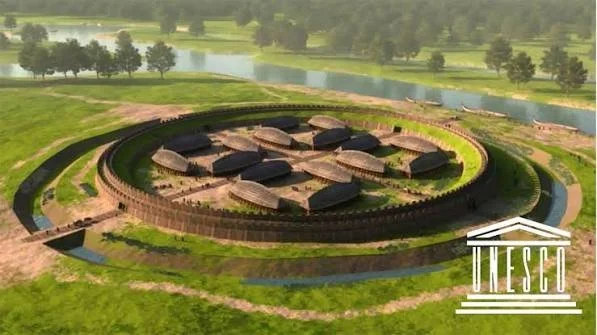
If confirmed, this would represent the first monumental Viking ship burial identified in the UK and one of only a few known in north-west Europe. The surrounding landscape further supports the idea of a high-status site: dozens of smaller mounds nearby may have served as the graves of warriors, retainers, or family members, similar to arrangements seen in other elite Viking cemeteries.
Dickinson told the BBC that the discovery could reveal a previously unknown Viking necropolis along the Cumbrian coast, reshaping current understanding of Viking activity and influence in north-west England.
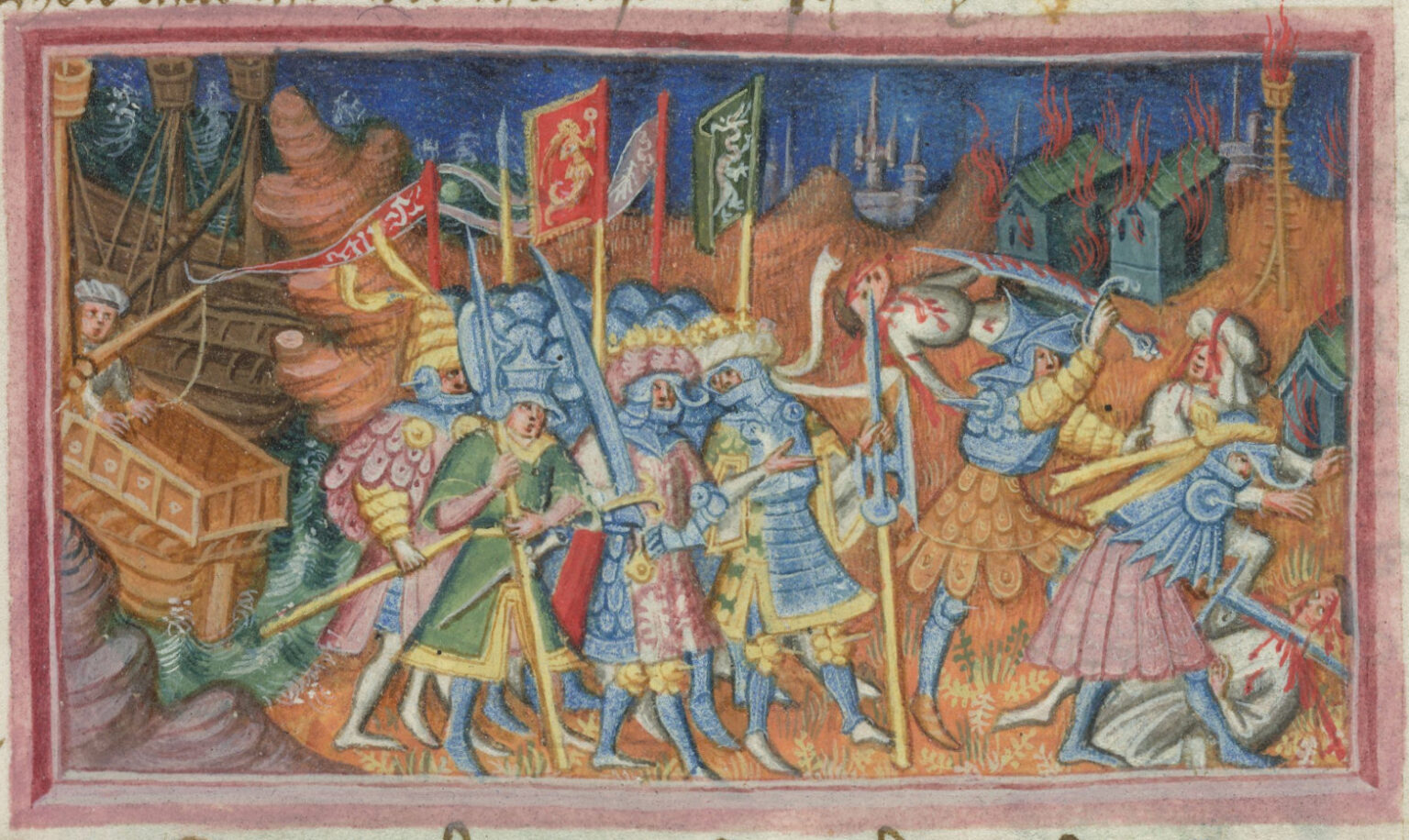
A fifteenth-century depiction of Ívarr and Ubba ravaging the countryside as it appears on folio 48r of British Library Harley 2278.
Clues Beneath the Surface Point to Viking Burial
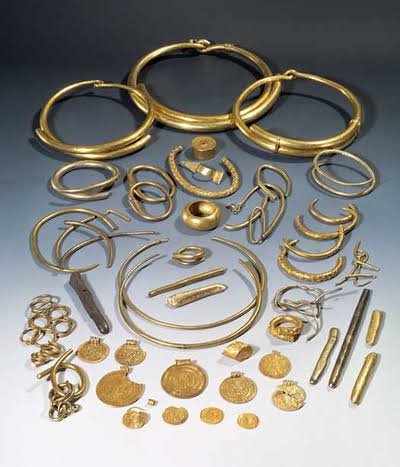
Although no excavation has yet occurred, non-invasive surveys and metal-detecting in the surrounding area have revealed promising material evidence. Archaeologists have uncovered large iron ship rivets and lead weights, items consistent with Viking-Age maritime activity and silver-based economies.
While these finds do not confirm a ship burial, they strongly suggest the presence of elite wealth and seafaring activity near the mound—exactly what one might expect near the grave of a powerful figure like Ivarr the Boneless. Later this year, Dickinson plans to conduct geophysical scans of the mound to identify any ship-shaped anomalies beneath its surface.
Who Was Ivarr the Boneless?
Ivarr the Boneless was far from a minor raider. In the ninth century, he emerged as a leading commander of the Great Heathen Army, which launched devastating campaigns across Anglo-Saxon kingdoms.
He is traditionally associated with the legendary Ragnar Lothbrok, though historians debate whether this connection was familial, symbolic, or literary. What is clear is Ivarr’s historical impact: he helped capture York and played a key role in establishing Dublin as a Norse stronghold. While modern TV dramas have popularized his story, the real Ivarr was likely far more complex—and enigmatic—than fictional depictions suggest.
The Mystery Behind “The Boneless”
Ivarr’s epithet, beinlausi (“boneless”), has long puzzled scholars. Some suggest he may have suffered from osteogenesis imperfecta, a rare genetic disorder causing fragile bones. Others interpret the name metaphorically, suggesting it could refer to flexibility, ritual significance, or even naval skill, drawing on Old Norse linguistic nuances where “boneless” could imply fluidity or agility rather than a physical condition.
A confirmed burial preserving skeletal remains could finally allow scientists to test these theories. However, even if human remains are found, definitive identification would remain challenging without inscriptions or DNA comparisons.
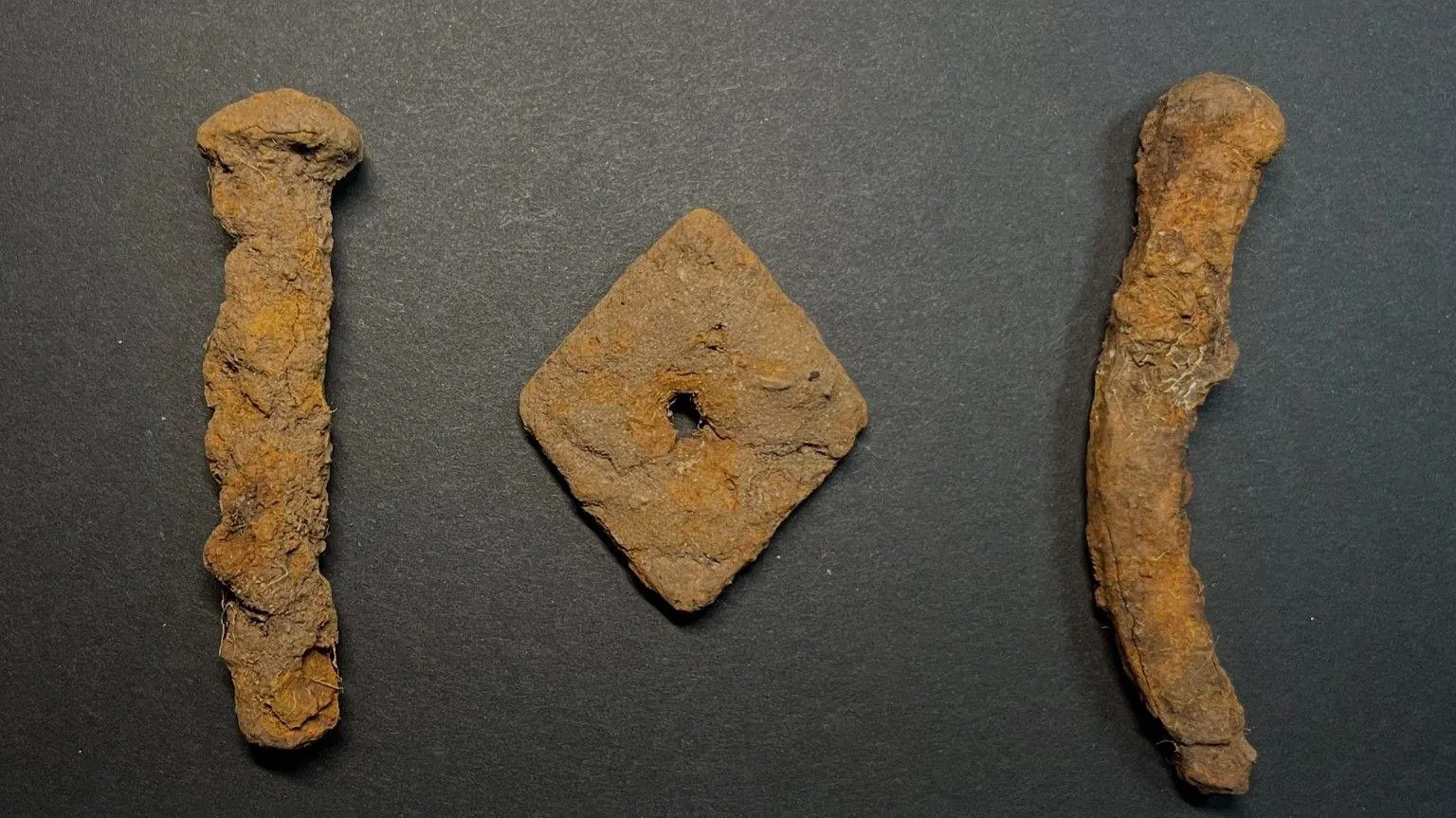
Metal ship rivets have been found in the area.
A Burial Fit for a Viking Ruler
Viking ship burials were reserved for society’s elite. The deceased would be laid in a vessel along with weapons, jewelry, ceremonial regalia, food offerings, and sometimes even sacrificed animals, before the ship was covered with earth to create a monumental mound.
In Britain, the most famous ship burial is Sutton Hoo, though it belongs to the Anglo-Saxon period rather than the Viking era. A confirmed Viking ship burial in Cumbria would dramatically change our understanding of Scandinavian power and status in early medieval Britain.
What Comes Next
Archaeologists caution that even if the mound contains a ship, definitive identification may remain difficult without inscriptions or DNA evidence. Nonetheless, discovering a Viking ship burial on the Cumbrian coast—royal or otherwise—would be a historic milestone.
For now, the mound stands silent, overlooking the ancient sea routes linking Britain, Ireland, and Scandinavia. Beneath it may lie clues not only about Ivarr the Boneless, but also about how power, belief, and memory were expressed in the Viking Age.
Whether Ivarr rests there or not, the search itself is reshaping historians’ understanding of the Norse world in Britain.