Introduction
Frenchman's Bend, located in northeastern Louisiana, is a lesser-known but archaeologically significant prehistoric mound complex associated with the broader tradition of mound-building societies in the Lower Mississippi Valley. Although overshadowed by larger sites such as Poverty Point and Watson Brake, Frenchman's Bend preserves valuable evidence of the gradual development of ceremonial earthwork construction and community organization during the Late Archaic and Woodland periods.
Earthwork Construction
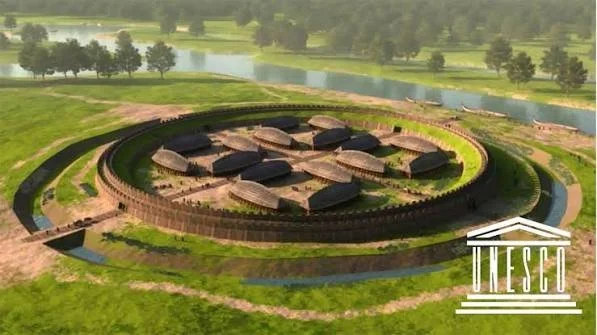
The site consists of several earthen mounds constructed from locally collected soils and clays. Like other prehistoric mound centers, the builders transported thousands of basket loads of earth to create elevated ceremonial platforms overlooking nearby waterways.
Archaeological evidence suggests that construction occurred over multiple generations, with individual mounds periodically enlarged and reshaped as the community evolved. The elevated platforms likely supported ceremonial structures, meeting places, or ritual activities rather than permanent residential buildings.
Regional Importance
Frenchman's Bend occupied a strategic position within the Mississippi River floodplain, allowing its inhabitants to participate in regional exchange networks while taking advantage of rich wetland resources. The site contributes to archaeologists' understanding of how smaller ceremonial centers interacted with larger mound complexes throughout prehistoric Louisiana.
Conclusion
Although less famous than neighboring mound sites, Frenchman's Bend provides important evidence for the spread of mound-building traditions across the Lower Mississippi Valley. Its earthworks demonstrate that ceremonial construction and regional interaction were widespread among prehistoric Native American communities long before European contact.