• MAIN PAGE
  • LATEST NEWS
    • Lost Cities
    • Archaeology's Greatest Finds
    • Underwater Discoveries
    • Greatest Inventions
    • Studies
    • Blog
  • PHILOSOPHY
  • HISTORY
  • RELIGIONS
    • Africa
    • Anatolia
    • Arabian Peninsula
    • Balkan Region
    • China - East Asia
    • Europe
    • Eurasian Steppe
    • Levant
    • Mesopotamia
    • Oceania - SE Asia
    • Pre-Columbian Civilizations of America
    • Iranian Plateau - Central Asia
    • Indus Valley - South Asia
    • Japan
    • The Archaeologist Editor Group
    • Scientific Studies
    • Aegean Prehistory
    • Historical Period
    • Byzantine Middle Ages
    • Predynastic Period
    • Dynastic Period
    • Greco-Roman Egypt
  • Rome
  • PALEONTOLOGY
  • About us
Menu

The Archaeologist

  • MAIN PAGE
  • LATEST NEWS
  • DISCOVERIES
    • Lost Cities
    • Archaeology's Greatest Finds
    • Underwater Discoveries
    • Greatest Inventions
    • Studies
    • Blog
  • PHILOSOPHY
  • HISTORY
  • RELIGIONS
  • World Civilizations
    • Africa
    • Anatolia
    • Arabian Peninsula
    • Balkan Region
    • China - East Asia
    • Europe
    • Eurasian Steppe
    • Levant
    • Mesopotamia
    • Oceania - SE Asia
    • Pre-Columbian Civilizations of America
    • Iranian Plateau - Central Asia
    • Indus Valley - South Asia
    • Japan
    • The Archaeologist Editor Group
    • Scientific Studies
  • GREECE
    • Aegean Prehistory
    • Historical Period
    • Byzantine Middle Ages
  • Egypt
    • Predynastic Period
    • Dynastic Period
    • Greco-Roman Egypt
  • Rome
  • PALEONTOLOGY
  • About us

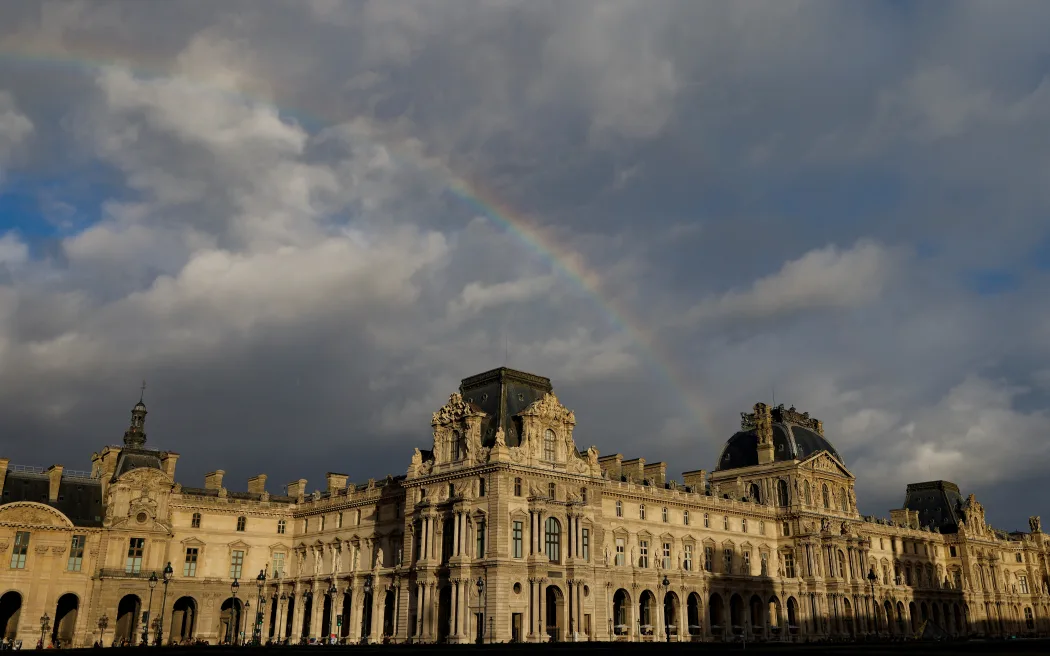
A water leak on November 26, 2025 damaged several hundred items in the Louvre's Egyptian Antiquities library.

Hundreds of works damaged by water leak at Louvre

December 8, 2025

A late-November water leak damaged several hundred items in the Louvre’s Egyptian department, the museum confirmed to AFP. The incident affected 300–400 research materials, mainly Egyptology journals and scientific documentation dating to the late 19th and early 20th centuries. While these resources are important for scholarship, the museum stressed that no heritage artifacts were harmed and that no permanent losses have been identified so far.

The leak, discovered on November 26, occurred when a valve in the museum’s outdated heating and ventilation system was accidentally opened, causing water to seep through the ceiling of the Mollien wing. The system, described as “completely obsolete,” has been shut down for months and is scheduled for replacement in 2026. The damaged materials will be dried, restored by specialists, and returned to storage.

The incident comes only weeks after a high-profile theft in October, when a four-person gang stole an estimated $102 million in jewels in a seven-minute daylight raid—an event that heightened scrutiny of the Louvre’s ageing infrastructure.

To support long-term improvements, the museum recently announced that most non-EU visitors will face a ticket price increase to €32, a 45% rise expected to generate up to $23 million annually. The Louvre remains the world’s most visited museum, drawing 8.7 million visitors in 2024, nearly 70% of them international travelers.
← Trove of 225 'Exceptional' Egyptian Figurines Solves Long-Standing MysteryGolden Artifacts, Varvorka and a Rare Paired Burial Redefine Kazakhstan’s 4th–3rd Century BCE Past →
Featured
image_2026-01-22_233711244.png
Jan 22, 2026
The First Metalworkers Who Changed Human Evolution
Jan 22, 2026
Read More →
Jan 22, 2026
image_2026-01-22_233404777.png
Jan 22, 2026
Mystery Cults of the Ancient World
Jan 22, 2026
Read More →
Jan 22, 2026
image_2026-01-22_225510943.png
Jan 22, 2026
The Prehistoric Masters of Boat Building
Jan 22, 2026
Read More →
Jan 22, 2026
image_2026-01-22_222210433.png
Jan 22, 2026
Ancient Hidden Libraries Lost to Time
Jan 22, 2026
Read More →
Jan 22, 2026
image_2026-01-22_221848227.png
Jan 22, 2026
The Oldest Known Jewelry and What It Symbolized
Jan 22, 2026
Read More →
Jan 22, 2026
image_2026-01-22_221719691.png
Jan 22, 2026
Investigate structures built with unique sound properties, possibly for rituals or communication.
Jan 22, 2026
Read More →
Jan 22, 2026
read more

Powered by The archaeologist