• MAIN PAGE
  • LATEST NEWS
    • Lost Cities
    • Archaeology's Greatest Finds
    • Underwater Discoveries
    • Greatest Inventions
    • Studies
    • Blog
  • PHILOSOPHY
  • HISTORY
  • RELIGIONS
    • Africa
    • Anatolia
    • Arabian Peninsula
    • Balkan Region
    • China - East Asia
    • Europe
    • Eurasian Steppe
    • Levant
    • Mesopotamia
    • Oceania - SE Asia
    • Pre-Columbian Civilizations of America
    • Iranian Plateau - Central Asia
    • Indus Valley - South Asia
    • Japan
    • The Archaeologist Editor Group
    • Scientific Studies
    • Aegean Prehistory
    • Historical Period
    • Byzantine Middle Ages
    • Predynastic Period
    • Dynastic Period
    • Greco-Roman Egypt
  • Rome
  • PALEONTOLOGY
  • About us
Menu

The Archaeologist

  • MAIN PAGE
  • LATEST NEWS
  • DISCOVERIES
    • Lost Cities
    • Archaeology's Greatest Finds
    • Underwater Discoveries
    • Greatest Inventions
    • Studies
    • Blog
  • PHILOSOPHY
  • HISTORY
  • RELIGIONS
  • World Civilizations
    • Africa
    • Anatolia
    • Arabian Peninsula
    • Balkan Region
    • China - East Asia
    • Europe
    • Eurasian Steppe
    • Levant
    • Mesopotamia
    • Oceania - SE Asia
    • Pre-Columbian Civilizations of America
    • Iranian Plateau - Central Asia
    • Indus Valley - South Asia
    • Japan
    • The Archaeologist Editor Group
    • Scientific Studies
  • GREECE
    • Aegean Prehistory
    • Historical Period
    • Byzantine Middle Ages
  • Egypt
    • Predynastic Period
    • Dynastic Period
    • Greco-Roman Egypt
  • Rome
  • PALEONTOLOGY
  • About us
No results found

Isturitz Cave: France's Magdalenian Flutes

August 7, 2026

Introduction

Located in the French Basque Country near the Pyrenees, Isturitz Cave is one of Europe's richest Upper Paleolithic archaeological sites. Occupied by prehistoric hunter-gatherers between approximately 35,000 and 12,000 years ago, the cave preserves evidence from several cultural periods, including the Aurignacian, Gravettian, Solutrean, and especially the Magdalenian culture. Isturitz is internationally renowned for its remarkable collection of bone flutes, making it one of the earliest known centers of prehistoric music in Europe.

The Magdalenian Occupation

During the Magdalenian period (approximately 17,000–12,000 years ago), Isturitz Cave became an important seasonal settlement where hunter-gatherers processed game, manufactured tools, created artwork, and participated in ceremonial activities. Extensive occupation layers contain hearths, stone blades, bone implements, engraved objects, and abundant animal remains.

The cave's large chambers provided an ideal environment for communal gatherings and long-term seasonal occupation.

The Bone Flutes

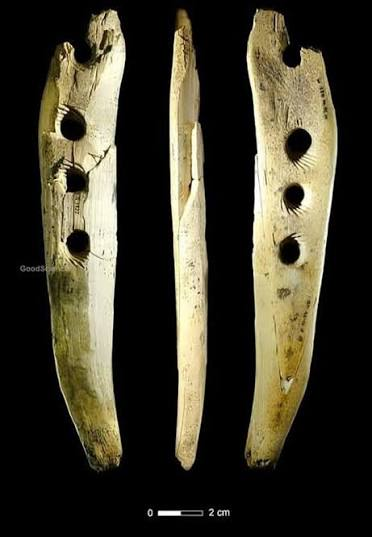
Isturitz Cave has yielded dozens of carefully crafted musical instruments made primarily from the hollow wing bones of vultures and other large birds. Craftspeople drilled evenly spaced finger holes into the bones, creating flutes capable of producing a range of musical notes.

These instruments represent some of the oldest directly preserved evidence of music in prehistoric Europe. Their careful craftsmanship demonstrates sophisticated knowledge of acoustics and suggests that music played an important role in ceremonies, storytelling, social gatherings, or ritual performances.

Art and Craftsmanship

In addition to its famous flutes, the cave contains engraved antler objects, decorated spear throwers, carved animal figures, pierced ornaments, and finely crafted bone needles. Stone tools include long blades, burins, end scrapers, and backed points characteristic of Magdalenian technology.

Many engraved artworks depict horses, bison, ibex, and reindeer with remarkable anatomical accuracy, reflecting the close relationship between prehistoric artists and the animals they depended upon.

Conclusion

Isturitz Cave is one of Europe's greatest Upper Paleolithic archaeological treasures. Its extraordinary collection of Magdalenian bone flutes, artistic engravings, and sophisticated hunting technology reveals the rich cultural life of Ice Age hunter-gatherers and provides some of the earliest evidence for the universal human tradition of making music.

← Regourdou: France's Neanderthal Bear Cult CaveVeyrier-du-Lac: France's Alpine Rock Shelter →
Featured
August 7, 2026
Pech de l'Azé: France's Neanderthal Hearths
August 7, 2026
Read more →
August 7, 2026
image_2026-08-05_224233242.png
August 7, 2026
La Ferrassie: France's Neanderthal Family Burials
August 7, 2026
Read more →
August 7, 2026
image_2026-08-05_224315217.png
August 7, 2026
Le Moustier: France's Neanderthal Type Site
August 7, 2026
Read more →
August 7, 2026
image_2026-08-05_224348083.png
August 7, 2026
La Chapelle-aux-Saints: France's Old Man Neanderthal
August 7, 2026
Read more →
August 7, 2026
image_2026-08-05_224423775.png
August 7, 2026
Regourdou: France's Neanderthal Bear Cult Cave
August 7, 2026
Read more →
August 7, 2026
image_2026-08-05_224502778.png
August 7, 2026
Isturitz Cave: France's Magdalenian Flutes
August 7, 2026
Read more →
August 7, 2026
read more

Powered by The archaeologist