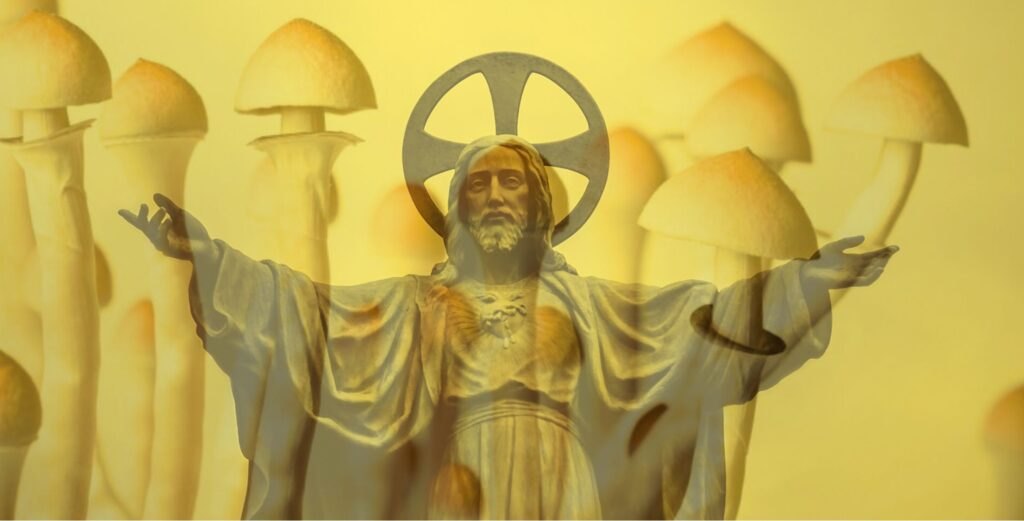
In 1970, Dead Sea Scrolls scholar John Allegro published The Sacred Mushroom and the Cross, arguing that Jesus was not a historical figure but a symbolic construct rooted in psychedelic ritual — specifically linked to the mushroom Amanita muscaria. Allegro proposed that the New Testament was coded language concealing an ancient fertility cult influenced by hallucinogenic practices originating in Mesopotamia.
His claims were met with strong rejection from biblical scholars and linguists. Allegro relied heavily on Sumerian as a linguistic “master key” to reinterpret Hebrew, Aramaic, and Greek texts — a method most experts found deeply flawed. Many argued his translations stretched credibility or were simply incorrect.
Despite academic dismissal, the theory has resurfaced in recent years, gaining attention through figures like The Joe Rogan Experience and a broader wave of psychedelic-curious audiences skeptical of institutional narratives.
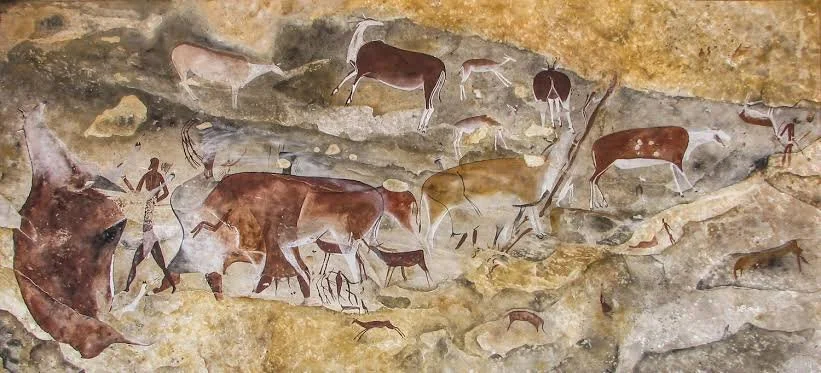
While Allegro’s conclusions remain widely discounted, some researchers note that the broader question he raised — whether psychoactive substances played a role in ancient religious experiences — is not inherently absurd. Archaeological findings have shown that hallucinogenic plants were used in various early civilizations. For example, studies published in Scientific Reports have documented plant-based psychoactive residues in a 3,000-year-old Spanish cave and in a second-century BCE Egyptian vessel. These discoveries suggest that altered states of consciousness were part of some ancient ritual practices.
That does not validate the claim that Christianity began as a mushroom cult. But it does highlight an important distinction: Allegro’s hypothesis may have been methodologically unsound, yet the larger question of how altered mental states influenced early religious traditions remains a legitimate area of inquiry.
In that sense, Allegro’s legacy serves less as confirmation of a hidden code and more as a reminder that provocative ideas require careful evidence. Exploring how belief systems form — whether through ritual, symbolism, or altered consciousness — is valid scholarship. The issue isn’t asking bold questions; it’s drawing conclusions the evidence can’t support.