• MAIN PAGE
  • LATEST NEWS
    • Lost Cities
    • Archaeology's Greatest Finds
    • Underwater Discoveries
    • Greatest Inventions
    • Studies
    • Blog
  • PHILOSOPHY
  • HISTORY
  • RELIGIONS
    • Africa
    • Anatolia
    • Arabian Peninsula
    • Balkan Region
    • China - East Asia
    • Europe
    • Eurasian Steppe
    • Levant
    • Mesopotamia
    • Oceania - SE Asia
    • Pre-Columbian Civilizations of America
    • Iranian Plateau - Central Asia
    • Indus Valley - South Asia
    • Japan
    • The Archaeologist Editor Group
    • Scientific Studies
    • Aegean Prehistory
    • Historical Period
    • Byzantine Middle Ages
    • Predynastic Period
    • Dynastic Period
    • Greco-Roman Egypt
  • Rome
  • PALEONTOLOGY
  • About us
Menu

The Archaeologist

  • MAIN PAGE
  • LATEST NEWS
  • DISCOVERIES
    • Lost Cities
    • Archaeology's Greatest Finds
    • Underwater Discoveries
    • Greatest Inventions
    • Studies
    • Blog
  • PHILOSOPHY
  • HISTORY
  • RELIGIONS
  • World Civilizations
    • Africa
    • Anatolia
    • Arabian Peninsula
    • Balkan Region
    • China - East Asia
    • Europe
    • Eurasian Steppe
    • Levant
    • Mesopotamia
    • Oceania - SE Asia
    • Pre-Columbian Civilizations of America
    • Iranian Plateau - Central Asia
    • Indus Valley - South Asia
    • Japan
    • The Archaeologist Editor Group
    • Scientific Studies
  • GREECE
    • Aegean Prehistory
    • Historical Period
    • Byzantine Middle Ages
  • Egypt
    • Predynastic Period
    • Dynastic Period
    • Greco-Roman Egypt
  • Rome
  • PALEONTOLOGY
  • About us
No results found

La Chapelle-aux-Saints: France's Old Man Neanderthal

August 7, 2026

Introduction

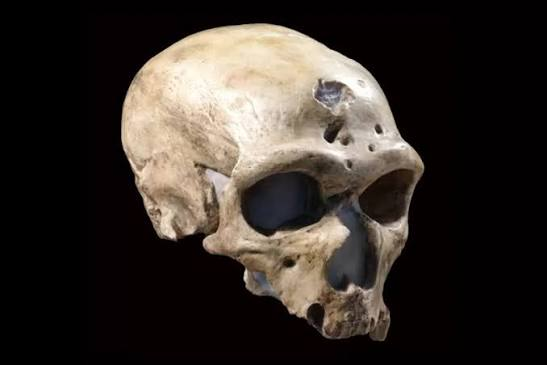
Located in Corrèze, southwestern France, La Chapelle-aux-Saints became internationally famous in 1908 following the discovery of one of the most complete Neanderthal skeletons ever found. Known as the "Old Man of La Chapelle," the individual lived approximately 60,000 years ago and has become one of the best-studied Neanderthal fossils in history. The skeleton provided groundbreaking evidence of Neanderthal anatomy, aging, healthcare, and possible intentional burial.

Discovery of the Skeleton

The nearly complete skeleton belonged to an elderly Neanderthal male estimated to have been around 50 to 60 years old, an unusually advanced age for the harsh conditions of the Middle Paleolithic. The body was found lying within a shallow pit beneath cave sediments, leading many archaeologists to interpret the discovery as an intentional burial.

The careful positioning of the skeleton remains one of the strongest pieces of evidence supporting the existence of Neanderthal funerary practices.

An Elderly Survivor

Examination of the skeleton revealed severe arthritis affecting the spine and limbs, as well as the complete loss of most teeth before death. Despite these debilitating conditions, the individual survived for many years after becoming largely unable to chew tough foods or participate fully in hunting.

Researchers believe that other members of the community must have provided food and care, suggesting strong social bonds and compassion among Neanderthals.

Scientific Legacy

Although early reconstructions portrayed the Old Man as stooped and primitive, later studies demonstrated that many of these characteristics resulted from advanced arthritis rather than typical Neanderthal anatomy. Modern research has corrected these misconceptions, presenting Neanderthals as intelligent, adaptable humans with sophisticated social lives.

The fossil continues to play an important role in studies of human evolution and prehistoric healthcare.

Conclusion

La Chapelle-aux-Saints transformed scientific understanding of Neanderthals by revealing that they cared for elderly individuals and possibly practiced intentional burial. The Old Man remains one of the most iconic fossils in the history of paleoanthropology.
← Le Moustier: France's Neanderthal Type SiteRegourdou: France's Neanderthal Bear Cult Cave →
Featured
August 7, 2026
Pech de l'Azé: France's Neanderthal Hearths
August 7, 2026
Read more →
August 7, 2026
image_2026-08-05_224233242.png
August 7, 2026
La Ferrassie: France's Neanderthal Family Burials
August 7, 2026
Read more →
August 7, 2026
image_2026-08-05_224315217.png
August 7, 2026
Le Moustier: France's Neanderthal Type Site
August 7, 2026
Read more →
August 7, 2026
image_2026-08-05_224348083.png
August 7, 2026
La Chapelle-aux-Saints: France's Old Man Neanderthal
August 7, 2026
Read more →
August 7, 2026
image_2026-08-05_224423775.png
August 7, 2026
Regourdou: France's Neanderthal Bear Cult Cave
August 7, 2026
Read more →
August 7, 2026
image_2026-08-05_224502778.png
August 7, 2026
Isturitz Cave: France's Magdalenian Flutes
August 7, 2026
Read more →
August 7, 2026
read more

Powered by The archaeologist