Introduction
The Macon Ridge region of northeastern Louisiana contains numerous prehistoric mound sites that illustrate the long tradition of Indigenous earthwork construction throughout the Lower Mississippi Valley. Occupied by successive Native American cultures over thousands of years, these mound centers served as ceremonial, political, and residential landscapes that connected local communities with broader regional exchange networks. The fertile soils and elevated natural ridges of the area made it an ideal location for permanent settlement and monument building.
Platform Mound Construction
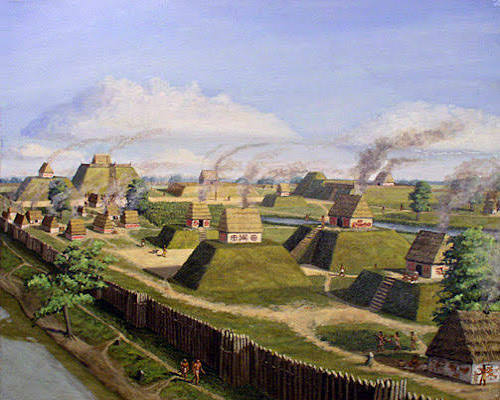
The prehistoric platform mounds of the Macon Ridge region were built by transporting thousands of basket loads of earth to create elevated rectangular platforms. These flat-topped mounds supported temples, council houses, elite residences, and ceremonial buildings that stood above the surrounding floodplain.
Builders carefully layered different soils to improve stability and drainage, ensuring the long-term durability of the structures. Repeated construction episodes enlarged the mounds over centuries, reflecting changing political leadership and continued ceremonial use.
Cultural Significance
These mound centers functioned as important gathering places where surrounding communities assembled for religious ceremonies, seasonal festivals, trade, and political decision-making. Their elevated platforms symbolized sacred space while providing protection from seasonal flooding.
The platform mounds also demonstrate increasing social organization, as their construction required coordinated labor, planning, and leadership. They represent an important stage in the long architectural tradition that later culminated in the great Mississippian mound cities such as Cahokia.
Conclusion
The prehistoric platform mounds of Louisiana's Macon Ridge region highlight the engineering skill, environmental adaptation, and ceremonial traditions of Native American societies. Together with sites such as Watson Brake and Poverty Point, they illustrate a continuous legacy of monumental earthwork construction spanning thousands of years across the Lower Mississippi Valley.