Introduction
Ancient cities were not always separated from agricultural life. Even in densely occupied urban environments, households often maintained close relationships with animals and small-scale food production.
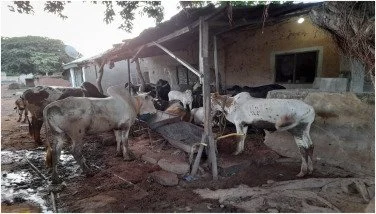
Backyard animal keeping, sometimes described as micro-husbandry, involved raising a limited number of animals within residential spaces or immediately adjacent yards. Chickens, ducks, pigeons, goats, pigs, and other domestic species could provide food, materials, transportation, or income.
Although large farms and commercial livestock operations are easier to recognize archaeologically, small-scale animal keeping can leave subtle traces. Animal bones, dung deposits, feeding remains, enclosure structures, and soil chemistry can reveal how animals were incorporated into everyday urban life.
What Is Micro-husbandry?
Micro-husbandry refers to the small-scale management of domesticated animals, often at the household level.
Unlike large agricultural estates, these systems could operate within courtyards, gardens, narrow alleys, roofed enclosures, or small plots behind houses.
Families might keep a few animals for eggs, milk, meat, manure, feathers, or other useful products.
The scale of production varied. Some households may have maintained animals primarily for personal consumption, while others produced small surpluses for local exchange.
Animals in Ancient Urban Environments
Different animals served different purposes.
Chickens and ducks could provide eggs and meat. Pigeons were sometimes kept for food or other uses. Goats and sheep could provide milk, meat, wool, and hides.
Pigs were useful meat animals in some communities, although their presence depended on local cultural and religious practices.
Dogs and cats could occupy domestic environments without necessarily being part of food production.
The species present in an urban settlement therefore reflect both economic choices and cultural preferences.
Archaeological Evidence
Animal bones are among the most important sources of evidence.
Researchers identify species, skeletal elements, age profiles, and patterns of butchery.
A concentration of juvenile animals, for example, may indicate breeding or household management rather than the consumption of animals acquired exclusively from external markets.
However, bone deposits alone cannot establish that animals were kept in a particular courtyard.
The remains could have arrived through trade, food preparation, or waste disposal.
Identifying Enclosures and Pens
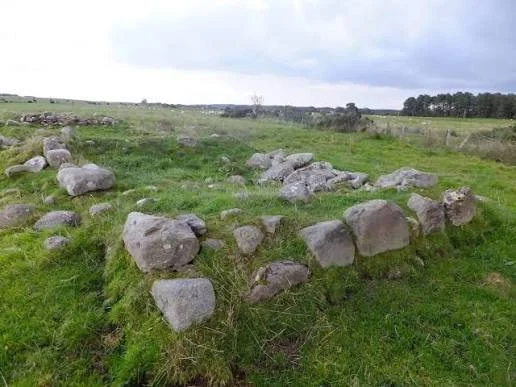
Small animal enclosures may leave traces in the form of postholes, low walls, compacted surfaces, drainage channels, or gates.
These structures may be difficult to distinguish from ordinary fences, storage areas, and household workspaces.
Repeated deposits of animal dung can help establish the function of a space.
Microscopic soil analysis may reveal trampling, organic enrichment, and changes caused by prolonged animal occupation.
The strongest interpretations combine architectural features with faunal and environmental evidence.
Soil Chemistry and Dung Deposits
Animal waste changes the chemical composition of soil.
Phosphorus, nitrogen, and other nutrients can accumulate in areas used repeatedly by livestock.
Micromorphology may identify microscopic organic residues and compacted layers associated with animal activity.
Parasite eggs and other biological indicators can sometimes provide additional evidence for the presence of animals.
Nevertheless, enriched soil is not automatically proof of a pen. Human waste, food preparation, and rubbish disposal can produce overlapping chemical signatures.
Food Security and Household Economies
Keeping animals within urban neighborhoods could provide a degree of food security.
Households might rely on eggs, milk, or occasional meat without depending entirely on market supplies.
Animals could also transform household waste into useful products.
Some species consume food scraps, while manure can be used to enrich gardens and agricultural plots.
This creates a small cycle of resource reuse within the household.
The economic value of these practices depended on access to space, feed, water, and local regulations.
Urban Planning and Public Health
Backyard animal keeping also created challenges.
Animals required water and food, while their waste could attract insects and produce unpleasant odors.
Dense settlements increased the risk of conflict between households over space, noise, and sanitation.
Authorities in some cities introduced rules governing animal ownership, slaughter, waste disposal, and the use of streets.
The archaeological record may reveal how residential areas accommodated these competing needs.
Social Differences Between Households
Not every urban household had equal access to animal-keeping space.
Wealthier families might possess larger courtyards and dedicated service areas.
Poorer households could have maintained animals in smaller spaces or relied on shared facilities.
Differences in animal species and quantities may reveal variations in household resources, although archaeological samples must be interpreted carefully.
The absence of animal remains does not necessarily mean a household never kept animals.
Conclusion
Micro-husbandry demonstrates that ancient urban life could include small-scale agricultural activities within residential neighborhoods.
Animal bones, enclosures, dung deposits, soil chemistry, and household architecture can reveal how families managed animals close to their homes.
These practices contributed to food security, recycling, and local economies, but they also required adjustments to urban sanitation and spatial organization.
Studying backyard animal keeping helps challenge the idea that ancient cities were entirely separate from agricultural production. Instead, many urban communities maintained a close and practical relationship with domesticated animals.