• MAIN PAGE
  • LATEST NEWS
    • Lost Cities
    • Archaeology's Greatest Finds
    • Underwater Discoveries
    • Greatest Inventions
    • Studies
    • Blog
  • PHILOSOPHY
  • HISTORY
  • RELIGIONS
    • Africa
    • Anatolia
    • Arabian Peninsula
    • Balkan Region
    • China - East Asia
    • Europe
    • Eurasian Steppe
    • Levant
    • Mesopotamia
    • Oceania - SE Asia
    • Pre-Columbian Civilizations of America
    • Iranian Plateau - Central Asia
    • Indus Valley - South Asia
    • Japan
    • The Archaeologist Editor Group
    • Scientific Studies
    • Aegean Prehistory
    • Historical Period
    • Byzantine Middle Ages
    • Predynastic Period
    • Dynastic Period
    • Greco-Roman Egypt
  • Rome
  • PALEONTOLOGY
  • About us
Menu

The Archaeologist

  • MAIN PAGE
  • LATEST NEWS
  • DISCOVERIES
    • Lost Cities
    • Archaeology's Greatest Finds
    • Underwater Discoveries
    • Greatest Inventions
    • Studies
    • Blog
  • PHILOSOPHY
  • HISTORY
  • RELIGIONS
  • World Civilizations
    • Africa
    • Anatolia
    • Arabian Peninsula
    • Balkan Region
    • China - East Asia
    • Europe
    • Eurasian Steppe
    • Levant
    • Mesopotamia
    • Oceania - SE Asia
    • Pre-Columbian Civilizations of America
    • Iranian Plateau - Central Asia
    • Indus Valley - South Asia
    • Japan
    • The Archaeologist Editor Group
    • Scientific Studies
  • GREECE
    • Aegean Prehistory
    • Historical Period
    • Byzantine Middle Ages
  • Egypt
    • Predynastic Period
    • Dynastic Period
    • Greco-Roman Egypt
  • Rome
  • PALEONTOLOGY
  • About us

The First Warriors Who Wore Animal Skins as Armor

January 15, 2026

Introduction:
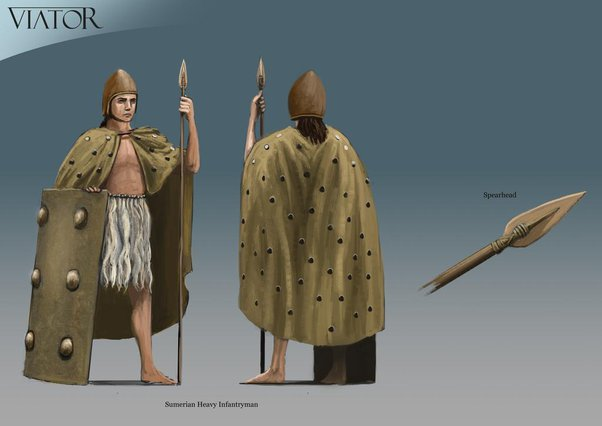
Before the advent of metal armor, early warriors relied on animal hides, furs, bones, and even shells to protect themselves in battle. These materials were both practical and symbolic, linking warriors to the power of the animals they wore.

Practical Use:
Animal hides provided flexibility and some protection from weapons, while bones or scales reinforced key areas. Helmets sometimes featured horns or antlers to intimidate opponents, and warriors often dyed hides with natural pigments for camouflage or ritual purposes.

Symbolism:
Wearing animal skins connected the warrior to spiritual or totemic forces. In many cultures, hunters and warriors believed that the animal’s strength, speed, or ferocity transferred to them, offering both physical and psychological advantages.

Cultural Examples:

  • Scythians and Nomadic Eurasia: Horse-mounted warriors adorned themselves with pelts of wolves, leopards, or bears.

  • Indigenous Americas: Warriors incorporated feathers, pelts, and bones into ceremonial armor, signaling courage and social rank.

  • Europe: Prehistoric cave paintings depict armed figures with animal attire, suggesting ritualistic and combative roles.

Conclusion:
Animal-skin armor illustrates the intersection of survival, warfare, and spirituality in ancient societies. These early warriors show humanity’s ability to harness nature not only for utility but also for symbolic power, shaping cultural identity through conflict and ceremony.


← Moon Worship Before the Dawn of HistoryAncient Ice Age Civilizations Beneath the Glaciers →
Featured
image_2026-01-15_205040149.png
Jan 15, 2026
Ancient Acoustic Chambers with Mysterious Echoes
Jan 15, 2026
Read More →
Jan 15, 2026
image_2026-01-15_204746638.png
Jan 15, 2026
The First People Who Tried to Predict the Future
Jan 15, 2026
Read More →
Jan 15, 2026
image_2026-01-15_204706612.png
Jan 15, 2026
Ancient Roads That Changed the World Forever
Jan 15, 2026
Read More →
Jan 15, 2026
image_2026-01-15_203918136.png
Jan 15, 2026
Pyramids That Are Older Than Egypt
Jan 15, 2026
Read More →
Jan 15, 2026
image_2026-01-15_203232878.png
Jan 15, 2026
The Secret Poison Masters of Antiquity
Jan 15, 2026
Read More →
Jan 15, 2026
image_2026-01-15_202105020.png
Jan 15, 2026
Moon Worship Before the Dawn of History
Jan 15, 2026
Read More →
Jan 15, 2026
read more

Powered by The archaeologist