Scandinavian wellness is trending for a reason—Viking-era recovery methods work. Here's a deep dive into three unusual yet highly effective techniques to optimize your post-workout recovery.
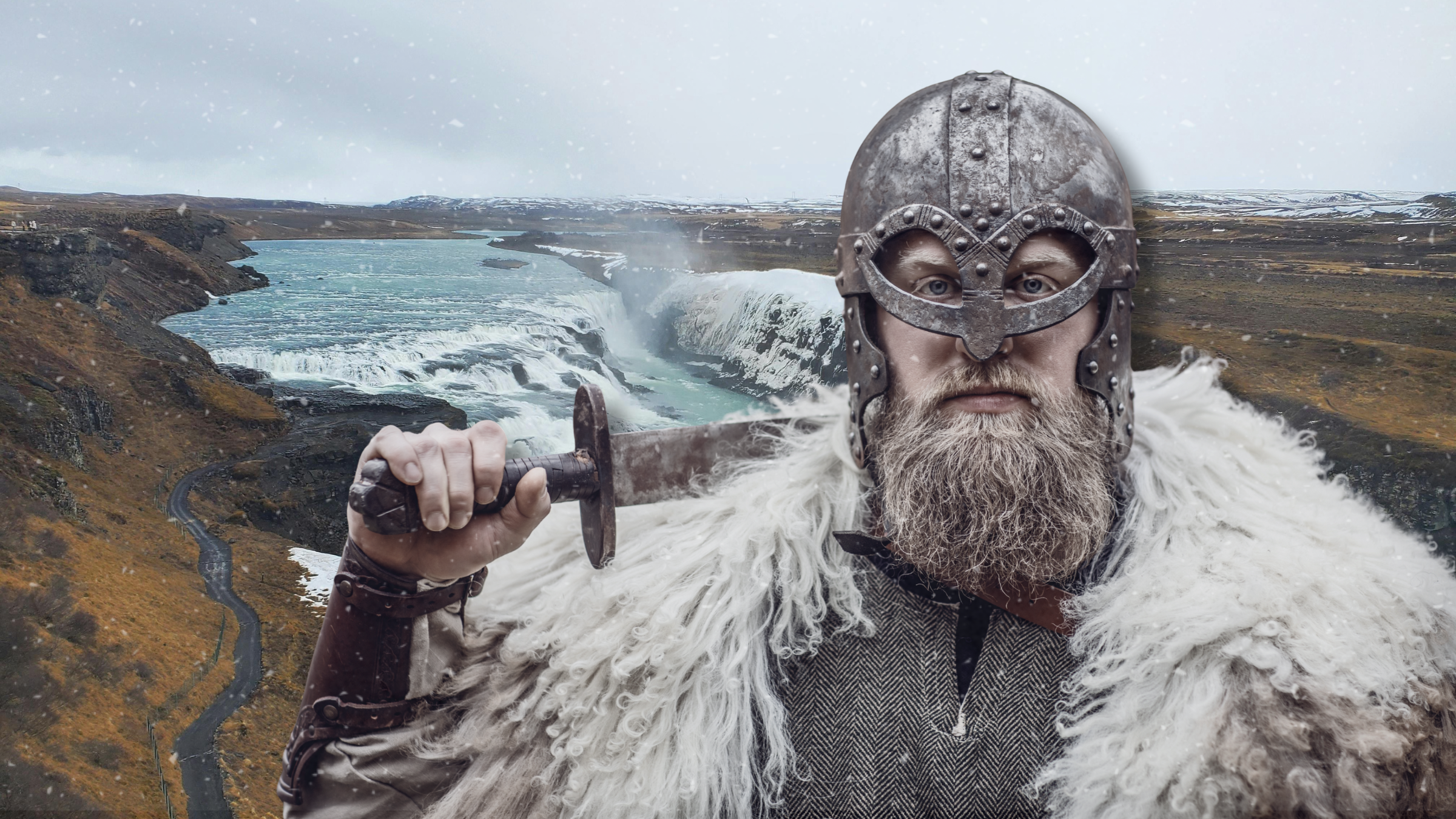
Recovery has become a booming industry, filled with pulsing boots, buzzing wearables, and high-tech chambers that promise rapid healing. Yet many people still wake up sore, and research shows that most users lose interest in these gadgets before they can even be effective. Instead of true rest, we often chase constant optimization. As a runner and skier who depends on recovery, I decided to look back at one of the oldest sources of restoration traditional Nordic practices, especially those rooted in Viking life.
This overview explores three major Viking-inspired recovery habits: hot-cold sauna routines, a diet centered on fish and fermented dairy, and a segmented sleeping pattern. No devices, no supplements just practices that once supported survival.
Recovery Was Essential for Viking Survival
Viking life was intensely physical. A 2009 excavation at Ridgeway Hill in Dorset uncovered a mass grave of Scandinavian Vikings from the 10th–11th centuries, showing clear signs of violent deaths. Combat was constant, exhausting, and far from recreational.
Travel was equally demanding. Crews rowed long distances on ships like the Oseberg, enduring freezing spray and hours of nonstop effort. Beyond sailing and raiding, daily life required farming, building, and hauling heavy materials. Recovery wasn’t for athletic performance—it was necessary to stay alive.
Nordic Sauna and Cold Plunge Traditions
Although the Vikings left no written sauna guides, their descendants carried the tradition forward. Today, Finland alone has around 3 million saunas. Cultural sources like Valo Finland describe the classic cycle: intense heat followed by a plunge into icy water or snow. This hot-cold method was used for renewal, resilience, and communal bonding, blending health benefits with cultural ritual.
A Diet Built for Strength: Fish and Fermented Dairy
Viking nutrition focused on energy-dense foods that supported long days of labor. Their diet included plenty of fish, berries, grains, and especially fermented dairy. One of the best-known examples is Skyr, an Icelandic yogurt-like product with centuries-old origins. High in protein and easy to digest, it provided steady fuel for demanding work.
Modern research supports these foods too. Milk can reduce soreness and improve hydration after workouts. Studies also show Greek yogurt—similar to Skyr—can lower inflammation during strength training. Cottage cheese is another effective post-exercise option. Omega-3-rich fish such as mackerel, salmon, and herring help decrease inflammation and delay muscle soreness.
Segmented and Upright Sleep Patterns
Historian Roger Ekirch notes that, for much of history, people naturally slept in two phases: a “first sleep” after sunset, followed by waking around midnight for quiet tasks, then a “second sleep” until morning. Viking-age Icelandic homes likely supported this pattern. In the baðstofa, a large communal living space, dozens of people shared benches that doubled as beds. Space was tight, so some chose to sleep upright.
Today, segmented sleep still appears in habits like daytime naps, which can improve cognitive function. Sleeping upright long-term isn’t ideal, but a recliner can offer a similar position more comfortably.
What Viking Recovery Can Teach Us
These practices sauna heat, cold exposure, simple protein-rich foods, and flexible sleep aren’t revolutionary, but they require intention. Viking-inspired recovery emphasizes slowing down, nourishing the body, and resting in ways that support real restoration. Sometimes, simplicity is the most effective method of all.