Ancient Samnite Necropolis Discovered in Southern Italy
Archaeologists Uncover Dozens of Ancient Burials
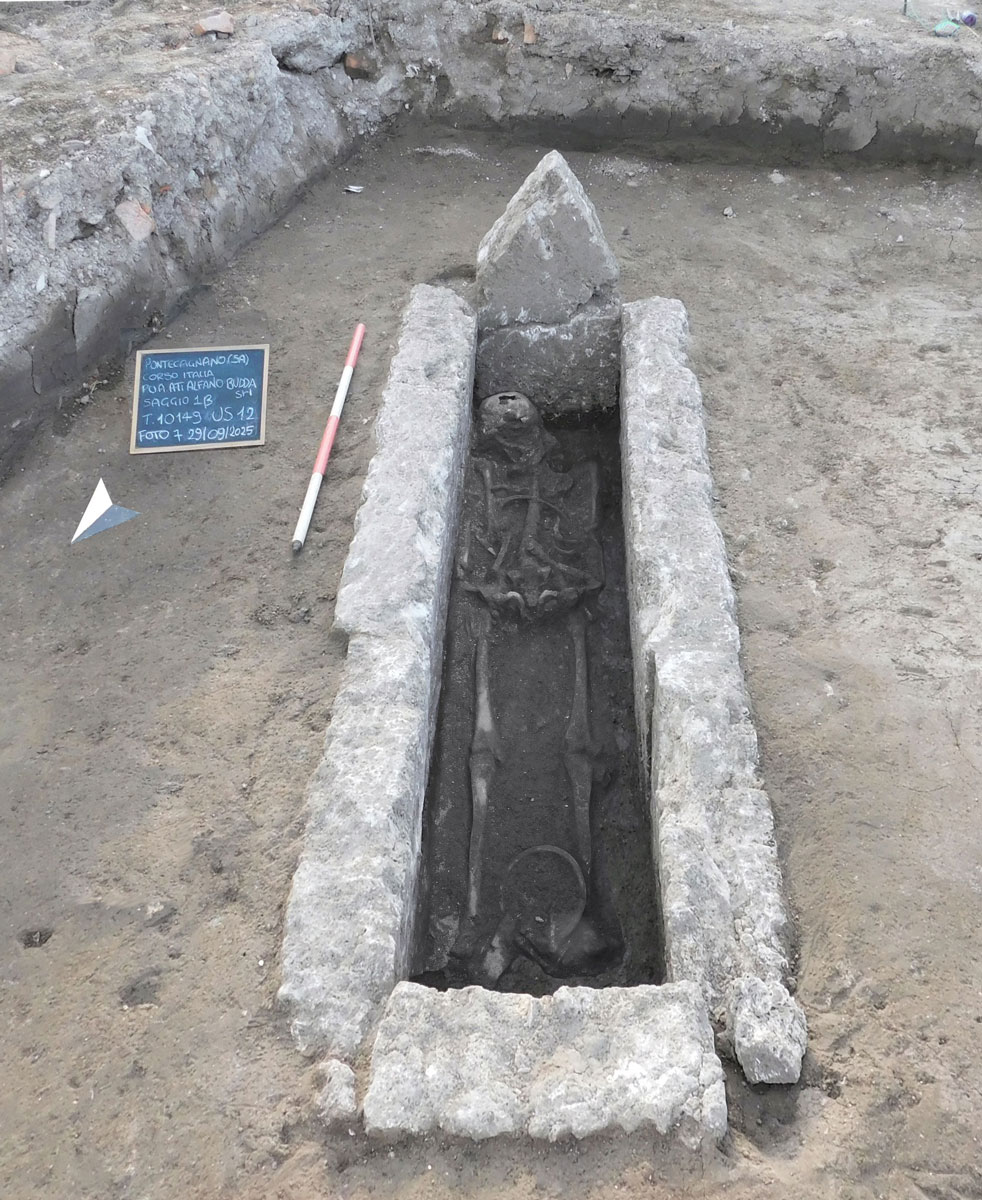
Archaeologists working in southern Italy have uncovered a remarkable Samnite-era necropolis containing 34 graves dating from the 4th to 3rd centuries BC. The discovery was made in Pontecagnano Faiano, located in the southwestern part of the country.
The excavation was conducted by researchers from the Superintendence of Archaeology, Fine Arts, and Landscape for the Provinces of Salerno and Avellino, who identified a cemetery belonging to the ancient Samnites.
This discovery offers valuable insights into burial customs, family structures, and social hierarchy in Samnite society more than two thousand years ago.
Family Groupings Within the Cemetery
One of the most notable aspects of the necropolis is how the graves appear to be organized by family groups. This layout suggests that kinship ties played an important role in burial practices.
Most of the graves were simple pits covered with tiles arranged in a small roof-like structure, a common funerary design in the region during this period. However, several tombs stood out because of their more elaborate construction.
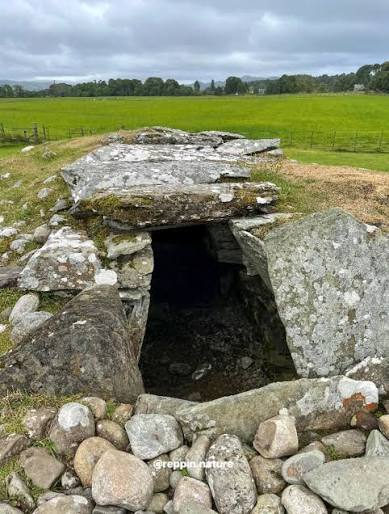
Two burials contained chambers lined with travertine blocks.
One burial was built using a chamber made of tufa stone.
These variations may indicate differences in status, wealth, or family importance within the community.
Weapons and Personal Items Reveal Social Roles
Artifacts found inside the tombs provide clues about the identities of the individuals buried there.
Graves containing male remains often included weapons such as spearheads or javelin points, suggesting the men may have been warriors or members of the military class.
In contrast, women’s tombs typically contained rings and brooches, items used to fasten clothing. These personal objects not only served practical purposes but also likely reflected fashion, status, or cultural identity.
Children Buried With Warrior Symbols
Among the 34 burials, archaeologists identified 15 graves belonging to children under the age of 10. While child burials are not unusual in ancient cemeteries, two of these graves contained a surprising object: bronze belts.
These belts were normally associated with adult male warriors in Samnite culture. Their presence in children’s graves suggests that these young individuals may have belonged to high-ranking families.
Researchers believe the belts may symbolize hereditary status or family rank, rather than the personal achievements of the children themselves.
Insights Into Samnite Society
The findings help scholars better understand the social structure and traditions of the Samnites, who were known for their strong warrior culture and for their historical conflicts with the expanding Roman Republic.
By examining burial arrangements, grave construction, and the objects placed with the deceased, archaeologists can reconstruct aspects of everyday life, family organization, and social hierarchy in this ancient Italic society.
As research continues, the necropolis at Pontecagnano Faiano may reveal even more details about the customs and beliefs of the Samnites during a critical period of southern Italy’s ancient history.