Introduction
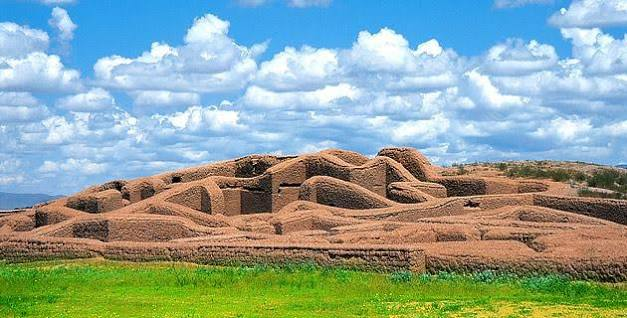
Paquimé, also known as Casas Grandes, was one of the most important archaeological centers of northern Mexico.
Located in the state of Chihuahua, Paquimé flourished particularly between the thirteenth and fifteenth centuries CE.
The settlement is famous for its massive adobe architecture, sophisticated water-management systems, ceremonial structures, craft production, and connections with communities far to the south and north.
Its location makes it particularly important for understanding the interaction between the cultural traditions of Mesoamerica and those of the ancient American Southwest.
The Casas Grandes Culture
The archaeological tradition associated with Paquimé is generally known as the Casas Grandes culture.
It developed in an environmentally challenging region.
Water was therefore fundamental to settlement.
Communities had to develop ways to:
collect water;
distribute it;
store it;
manage wastewater;
support agriculture.
Monumental Adobe Architecture
Paquimé's architecture is immediately recognizable.
Buildings were constructed primarily from adobe and earth.
Some structures contained multiple rooms and levels.
The settlement therefore differed considerably from smaller villages.
Large residential compounds may have housed extended families or specialized social groups.
Water Engineering
One of Paquimé's most impressive features is its hydraulic infrastructure.
Archaeologists have documented systems involving:
canals;
reservoirs;
water conduits;
drainage features;
controlled water distribution.
These installations demonstrate that water management was central to urban life.
In an arid environment, the ability to control water was closely connected with political authority.
Macaws and Long-Distance Trade
Paquimé is famous for evidence of scarlet macaws.
These birds were not native to the Chihuahua region and therefore had to be transported over enormous distances.
Macaws were valuable for:
feathers;
ritual symbolism;
prestige;
ceremonial display.
Their presence demonstrates long-distance exchange with regions of Mesoamerica.
Turquoise and Trade
Turquoise was another important material in the wider Southwest.
Paquimé participated in exchange networks involving:
ceramics;
shells;
copper;
turquoise;
feathers;
exotic animals.
These networks connected distant communities.
Mesoamerican Connections
Some architectural and ceremonial features at Paquimé have parallels with Mesoamerican traditions.
Ballcourt-like structures, ceremonial architecture, and exotic goods have contributed to debates about the site's cultural connections.
However, Paquimé should not be viewed simply as a "Mesoamerican colony."
Its inhabitants developed their own distinctive architectural and cultural traditions.
Pottery
Casas Grandes pottery is among the most recognizable ceramic traditions of northern Mexico.
Some vessels feature elaborate geometric and naturalistic designs.
Pottery provides information about:
artistic traditions;
trade;
household activities;
food preparation;
ritual practices.
Urban Organization
Paquimé was not simply a collection of houses.
Its architecture indicates differentiated spaces.
Certain areas appear to have been associated with specialized production, ritual activity, administration, or elite residence.
This suggests a complex social structure.
Decline
Paquimé's major occupation ended during the fifteenth century.
Evidence indicates episodes of violence and abandonment.
The exact causes remain debated.
Environmental pressures, political instability, changing trade routes, and conflict may have contributed.
Conclusion
Paquimé is one of the most important archaeological sites for understanding the ancient cultural connections between northern Mexico and the American Southwest.
Its adobe architecture, water systems, exotic animals, pottery, and trade networks reveal a sophisticated urban society capable of organizing labor and maintaining long-distance relationships.