Introduction:
During prehistoric times, land bridges connected continents, enabling the migration of humans, animals, and plants. These routes were crucial for the spread of populations, technology, and cultural practices long before modern transportation existed.
Examples of Prehistoric Bridges:
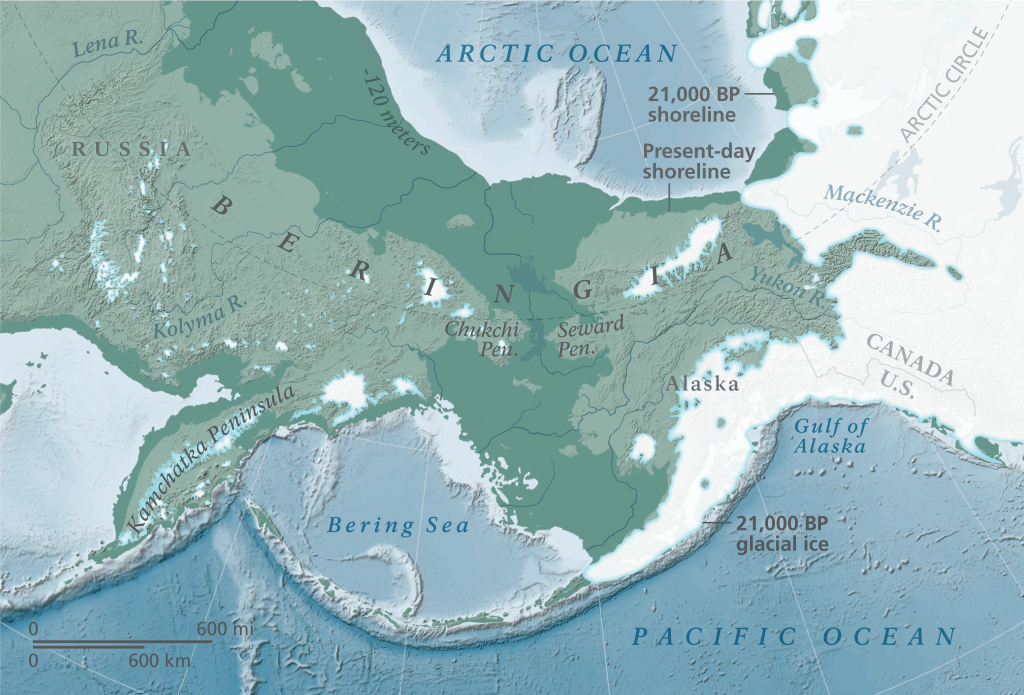
Beringia: Connecting Siberia to Alaska, this land bridge allowed the first humans to enter the Americas.
Doggerland: Once connecting Britain to mainland Europe, Doggerland supported Mesolithic hunter-gatherer societies before submergence by rising seas.
Lemuria (Mythical): While largely speculative, some legends suggest a lost southern continent that may have influenced ancient myths of sunken lands.
Impact on Human History:
These land bridges facilitated early migration, trade, and cultural exchange. For example, Beringia enabled the peopling of the Americas, while Doggerland served as fertile hunting grounds and settlement areas. Animals that migrated across these bridges influenced ecosystems and shaped human survival strategies.
Archaeological and Geological Evidence:
Remnants of tools, fossils, and submerged landscapes provide evidence of these ancient bridges. Sediment analysis, underwater surveys, and paleoenvironmental reconstructions help scientists understand how sea level changes transformed geography and led to the disappearance of these vital connections.
Conclusion:
Prehistoric bridges were more than physical landforms; they were lifelines that shaped human history, biodiversity, and cultural evolution. Understanding them reveals the interconnectedness of ancient peoples and ecosystems across continents.