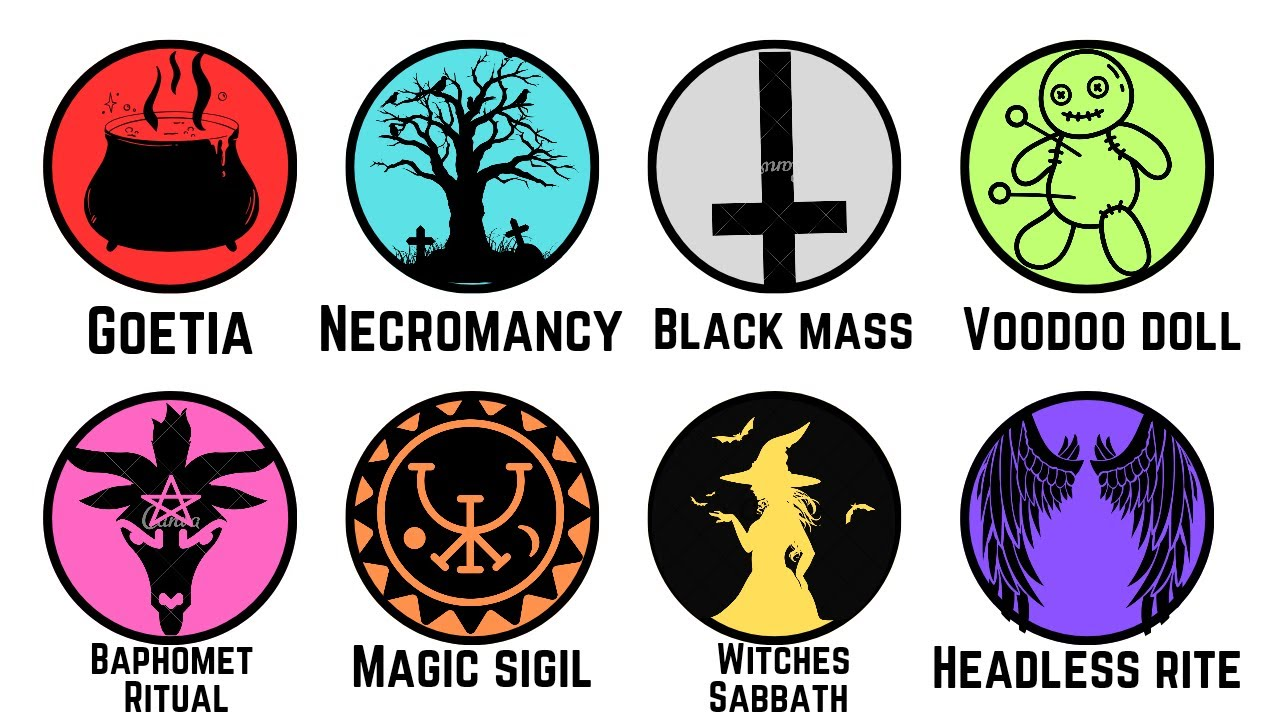
Introduction:
Ancient civilizations often practiced religious rites that were secretive, restricted, or forbidden to outsiders. These rituals could involve initiation ceremonies, animal sacrifices, fertility rites, or even esoteric knowledge meant only for elite priests or initiates. Because most of these practices were intentionally hidden, knowledge of them has survived only through fragmentary texts, myths, or archaeological remnants.
Types of Forbidden Rituals:
Initiation Rites: Many ancient societies, from Egyptian mystery schools to the Greek Eleusinian Mysteries, conducted complex initiations requiring secrecy and symbolic rebirth.
Sacrificial Ceremonies: Some rituals involved offerings to gods, often of animals or symbolic items, believed to maintain cosmic balance or ensure divine favor.
Mystical Knowledge: Certain ceremonies included chanting, meditation, or esoteric teachings that were considered too dangerous or sacred for ordinary people.
Cultural Significance:
These forbidden rites served multiple purposes. They reinforced social hierarchies, protected sacred knowledge, and maintained religious cohesion. For example, the secrecy surrounding the Eleusinian Mysteries in Greece strengthened civic unity while instilling awe and obedience. Similarly, in Mesoamerica, secret sacrificial rituals emphasized the divine power of rulers and priests.
Evidence and Interpretation:
Modern archaeology has uncovered temples, altars, and artifacts linked to these rites. Ancient texts, such as fragmentary Egyptian papyri or Greco-Roman accounts, provide insight, but interpretation is difficult due to deliberate secrecy. Scholars rely on cross-cultural comparisons, ethnographic studies, and symbolic analysis to reconstruct these lost practices.
Conclusion:
While the full details of these forbidden rituals remain elusive, their enduring traces highlight the complexity of ancient religious life. They remind us that much of human history lies hidden beneath layers of secrecy, myth, and ritual practice.