Art history will be divided between 'before' and 'after' this find says culture minister
Archaeologists have uncovered the remains of the legendary basilica designed by the influential Roman architect Vitruvius, a discovery Italy’s culture minister has described as “the Tutankhamun of the 21st century.”
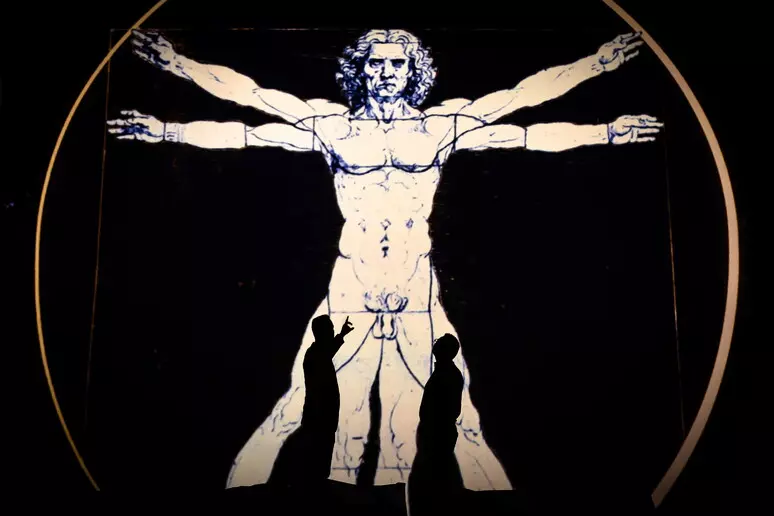
The structure, created by the architect whose principles of proportion inspired Leonardo da Vinci’s iconic Vitruvian Man, was found during excavations in the city of Fano in Italy’s Marche region, officials announced on Monday.
Built at Fanum Fortunae and completed in 19 BC, the basilica is the only structure definitively attributed to Vitruvius, as he specifically mentioned it in his writings. Over the centuries, the building vanished, and its exact location became one of archaeology’s long-standing mysteries.
Vitruvius’ De architectura remains the only architectural treatise to survive from antiquity and is widely regarded as the foundational text of architectural theory.
“For more than 2,000 years, we have been waiting for this discovery,” said Fano Mayor Luca Serfilippi while unveiling the find at a conference attended virtually by Culture Minister Alessandro Giuli. “We have found the Basilica of Vitruvius. I am proud of the work that has been done.”
Giuli hailed the discovery as “truly exceptional in the history of archaeology, architecture, and the urban development of Fano,” adding that the city’s importance had long been recognized but was now further confirmed. He spoke via video link at the press conference, which was also attended by Marche Governor Francesco Acquaroli and Andrea Pessina, superintendent of archaeology, fine arts, and landscape for the provinces of Ancona and Pesaro Urbino.
Drawing comparisons to landmark discoveries of the past, Giuli likened the find to Tutankhamun’s tomb, considered the greatest archaeological discovery of the 20th century, and to the unearthing of the Lapis Niger in Rome—one of the most significant monuments in the Roman Forum, bearing an inscription that provides evidence of Rome’s early royal period.
“The same thing has happened in Fano,” Giuli said. “At this moment, history is divided into before and after the discovery of the Basilica of Vitruvius.”
“History books—not just journalists,” he added, “will record and contextualize this day, along with everything that will be discovered and written about this extraordinary find in the years to come.”