1. The Engineering of Circumvallation and Contravallation
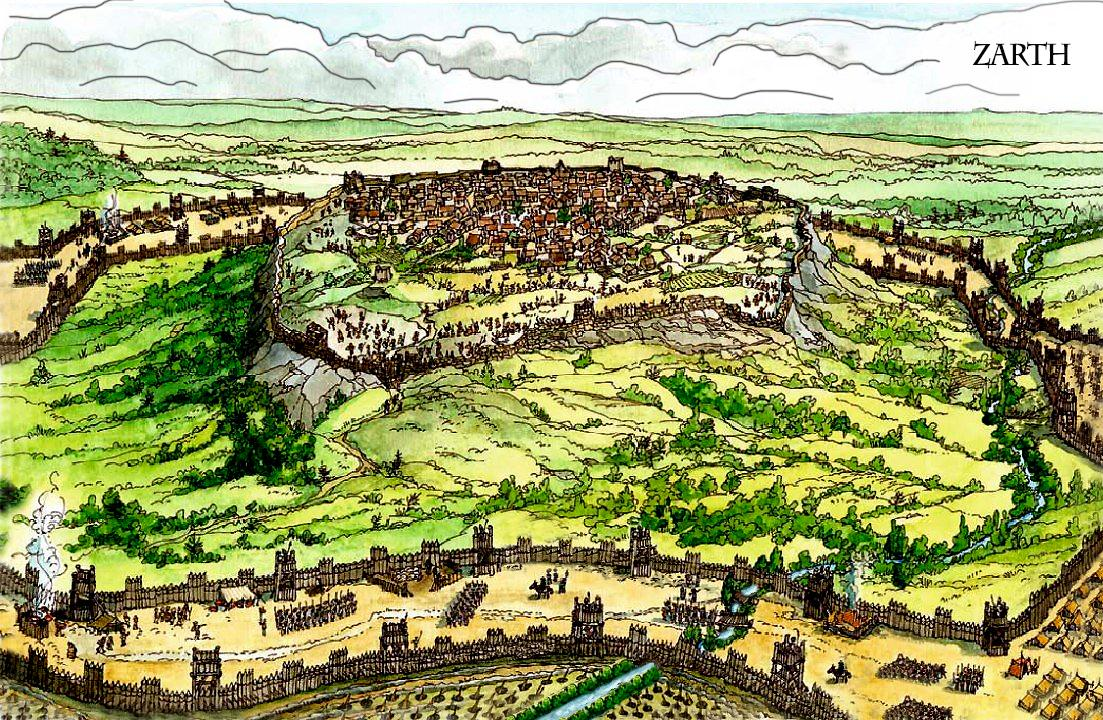
The construction of a double ring of fortifications was a masterclass in ancient military logistics and defensive architecture.
Contravallation (The Inner Ring): This 11-mile loop faced inward to trap Vercingetorix’s 80,000 men. It consisted of a 12-foot-high rampart made of earth and turf, reinforced with wooden stakes, battlements, and defensive towers spaced exactly 80 feet apart.
Circumvallation (The Outer Ring): Mirroring the inner line but facing outward, this 14-mile wall was designed to hold off the expected 250,000-strong Gaulish relief army. It created a massive, self-contained ring-fort where the Roman army lived and fought.
The Dual Moats: In front of the inner wall, the Romans dug two parallel, 15-foot-wide trenches. The trench closest to the wall was diverted from local rivers and flooded with water, creating an artificial moat to halt infantry charges.
2. The Layered Zone of Death
To maximize the efficiency of a smaller defensive force, Caesar turned the ground between the trenches and the outer fields into a lethal, multi-layered obstacle course.
[ OUTSIDE ATTACKERS ]
        │
        ▼
  1. Stimuli ────► (Iron-hooked stakes hidden in the earth)
        │
        ▼
  2. Lilia ──────► (Camouflaged pits with fire-hardened stakes)
        │
        ▼
  3. Cippi ──────► (Rows of intertwined, sharpened tree branches)
        │
        ▼
  4. Moats ──────► (Deep, wide trenches; the inner one flooded)
        │
        ▼
[ ROMAN RAMPART ]
3. The Anatomy of the Traps
The Roman legionaries engineered these defensive traps with meticulous precision, using grim soldierly nicknames for each mechanism.
The Cippi: Five rows of thick, heavy tree branches were sunk into deep trenches and woven tightly together at the base so they could not be pulled up. Their ends were shaved to sharp points, creating an impenetrable thicket of wooden spears.
The Lilia ("Lilies"): Three-foot-deep pits dug in a diagonal, chessboard pattern. At the bottom of each pit was a fire-hardened stake as thick as a man's thigh, protruding four inches above the ground and covered with brushwood to disguise it.
The Stimuli ("Spurs"): Foot-long wooden logs completely buried in the soil, studded with curved iron hooks. Anyone running across the field would have their feet impaled, pinning them down in the direct line of sight of Roman archers.
4. The Logistics of the Siege
The speed and scale of the construction remain one of the greatest feats of physical labor in military history.
The Labor Split: Caesar utilized roughly 50,000 to 60,000 men. Because they were constantly vulnerable to Gaulish cavalry raids, the legionaries were divided into thirds: one-third dug the trenches, one-third foraged for miles around for timber and grain, and one-third stood guard in battle formation.
Speed of Execution: The entire 25-mile network of walls, trenches, towers, and thousands of hidden traps was completely designed and constructed in less than five weeks.
5. The Climax: The Vulnerable Gap
No line of fortification is perfect, and the battle reached its crisis point at a specific geographical flaw in the circumvallation line.
The Weak Spot: To the north, a steep hill prevented the Romans from extending the outer wall completely around the high ground. They were forced to build the wall across the slope, leaving a camp of two legions structurally vulnerable from above.
The Two-Front Assault: The Gaulish relief force identified this flaw and launched a massive 60,000-man assault down the hill against the outer wall. Simultaneously, Vercingetorix led his troops out of Alesia to strike the inner wall at the exact same location, pinning the Romans in a vice.
6. Tactical Resolution
The siege was ultimately decided not just by the strength of the walls, but by Caesar's dynamic use of his reserves and cavalry.
Personal Reinforcement: As the Roman lines began to breach under the pressure of the two-front attack, Caesar rode along the ramparts wearing his bright purple commander’s cloak (paludamentum) to rally his exhausted troops.
The Flanking Maneuver: Caesar ordered Titus Labienus to hold the breach with 39 cohorts while he took a detachment of Germanic cavalry outside the circumvallation wall. Moving unseen behind the hills, the Roman cavalry struck the Gaulish relief army from the rear. The sudden ambush caused mass panic, breaking the relief force and forcing Vercingetorix's surrender the following day.