Prehistoric Artwork and Its Spiritual Significance
Discovery and Context
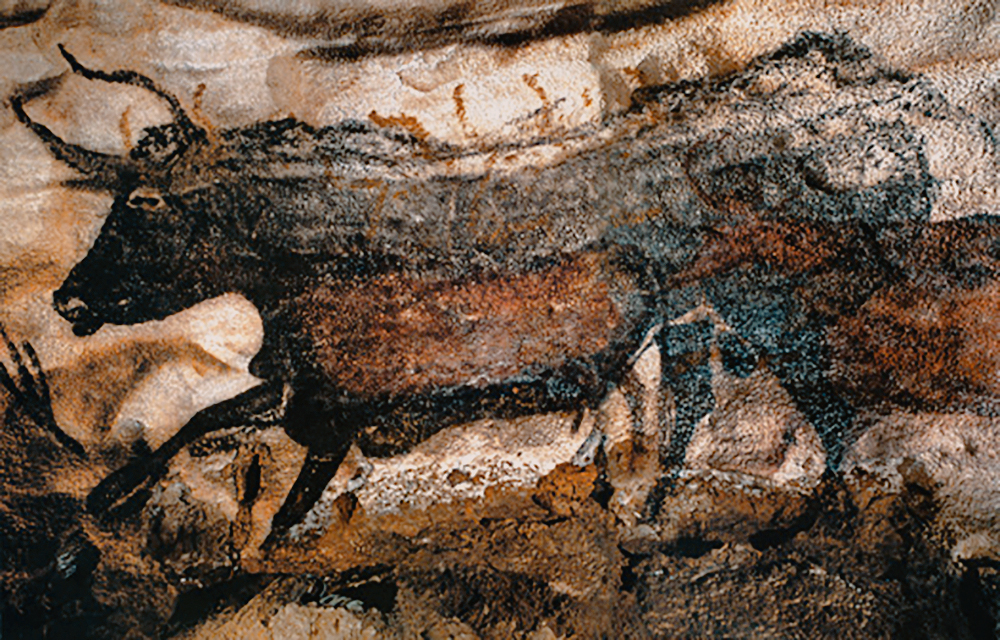
Discovered in 1940, the Lascaux caves in southwestern France contain thousands of paintings dating back 17,000 years. These works depict animals, human figures, and abstract symbols, showcasing extraordinary skill and insight into Paleolithic life.
Themes and Imagery
Animals dominate the Lascaux art: aurochs, horses, stags, and bison. Scholars believe these images were linked to hunting magic, spiritual rites, or storytelling. Patterns, handprints, and geometric symbols suggest symbolic or ritualistic purposes, possibly related to fertility, survival, or cosmology.
Techniques and Materials
Artists used natural pigments like ochre, charcoal, and hematite, applied with brushes, fingers, or blowing through hollow reeds. Their use of perspective and motion demonstrates advanced visual thinking and artistic sophistication for prehistoric humans.
Cultural Significance
Cave paintings like Lascaux provide a window into early human cognition, spirituality, and social structure. They suggest that art was a fundamental tool for communication, identity, and connection to the unseen world.