Power and Influence of High Priestesses like Enheduanna
Historical Context
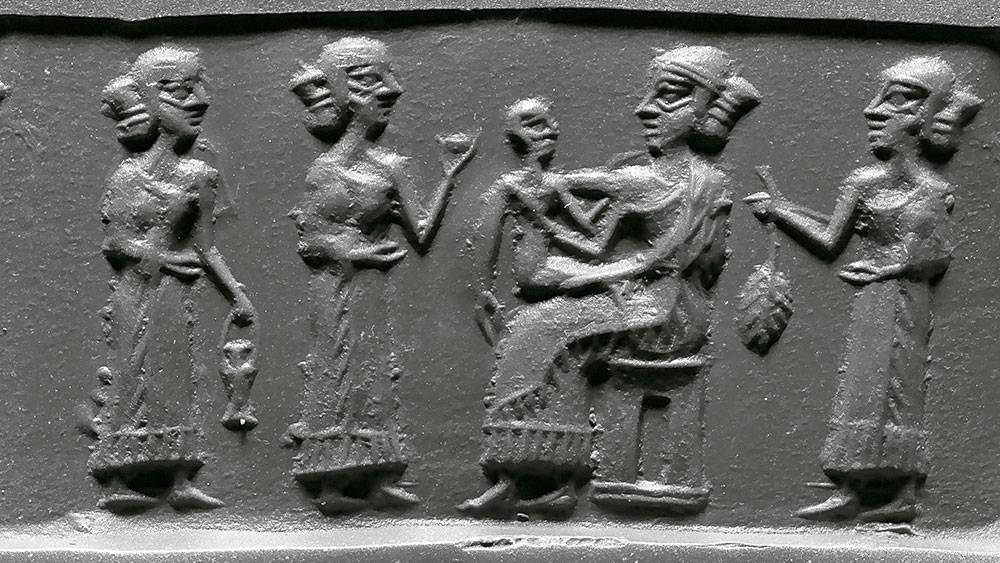
In ancient Mesopotamia, temples were not just religious centers they were economic, political, and cultural hubs. High priestesses, or entu, held remarkable authority within these institutions, often overseeing temple rituals, land management, and the distribution of goods.
Enheduanna: A Pioneering Figure
Enheduanna, daughter of King Sargon of Akkad, is one of the earliest known authors in history. She composed hymns, poetry, and prayers dedicated to deities like Inanna, blending political authority with religious leadership. Her writings reveal how priestesses wielded influence to unify regions under spiritual and cultural frameworks.
Ritual Duties and Spiritual Power
Priestesses conducted daily ceremonies, maintained sacred spaces, and mediated between gods and humans. Their role often included divination, interpreting omens, and supervising temple schools, which ensured the transmission of religious knowledge and social norms.
Legacy
The prominence of priestesses in Mesopotamia illustrates the intersection of gender, religion, and politics. Their influence shaped the spiritual and administrative landscape of early urban civilizations, leaving a lasting imprint on cultural and literary traditions.