• MAIN PAGE
  • LATEST NEWS
    • Lost Cities
    • Archaeology's Greatest Finds
    • Underwater Discoveries
    • Greatest Inventions
    • Studies
    • Blog
  • PHILOSOPHY
  • HISTORY
  • RELIGIONS
    • Africa
    • Anatolia
    • Arabian Peninsula
    • Balkan Region
    • China - East Asia
    • Europe
    • Eurasian Steppe
    • Levant
    • Mesopotamia
    • Oceania - SE Asia
    • Pre-Columbian Civilizations of America
    • Iranian Plateau - Central Asia
    • Indus Valley - South Asia
    • Japan
    • The Archaeologist Editor Group
    • Scientific Studies
    • Aegean Prehistory
    • Historical Period
    • Byzantine Middle Ages
    • Predynastic Period
    • Dynastic Period
    • Greco-Roman Egypt
  • Rome
  • PALEONTOLOGY
  • About us
Menu

The Archaeologist

  • MAIN PAGE
  • LATEST NEWS
  • DISCOVERIES
    • Lost Cities
    • Archaeology's Greatest Finds
    • Underwater Discoveries
    • Greatest Inventions
    • Studies
    • Blog
  • PHILOSOPHY
  • HISTORY
  • RELIGIONS
  • World Civilizations
    • Africa
    • Anatolia
    • Arabian Peninsula
    • Balkan Region
    • China - East Asia
    • Europe
    • Eurasian Steppe
    • Levant
    • Mesopotamia
    • Oceania - SE Asia
    • Pre-Columbian Civilizations of America
    • Iranian Plateau - Central Asia
    • Indus Valley - South Asia
    • Japan
    • The Archaeologist Editor Group
    • Scientific Studies
  • GREECE
    • Aegean Prehistory
    • Historical Period
    • Byzantine Middle Ages
  • Egypt
    • Predynastic Period
    • Dynastic Period
    • Greco-Roman Egypt
  • Rome
  • PALEONTOLOGY
  • About us

The Ancient Astronomers of Chichen Itza

December 11, 2025

El Castillo and Solar Alignment

– The Maya built El Castillo (the Temple of Kukulcan) with precise astronomical knowledge.
– During the equinoxes, the sun casts a shadow resembling a serpent slithering down the pyramid’s staircase.
– This illusion symbolized the descent of the feathered serpent god, reinforcing religious authority.

Lunar, Solar, and Venus Observations

– The Maya carefully tracked celestial cycles, including the movements of Venus, which they linked to warfare and prophecy.
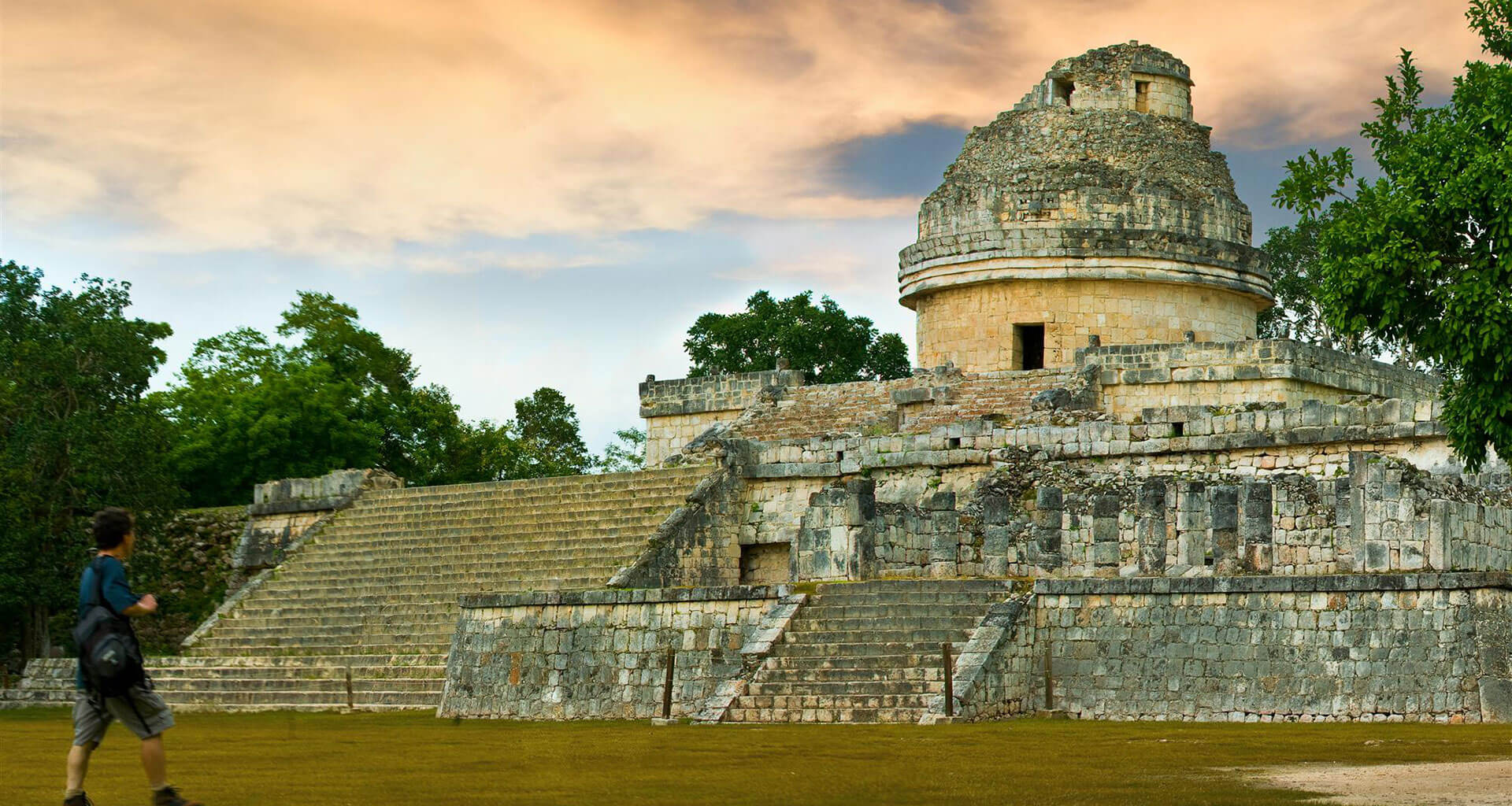
– Observatories such as El Caracol featured windows aligned with key astronomical events.
– Their calendar systems—Tzolk’in, Haab, and the Long Count—helped them schedule rituals and agricultural activities.

Mathematical and Scientific Achievements

– Maya astronomers used advanced calculations, predicting eclipses and planetary cycles with remarkable accuracy.
– Their base-20 mathematical system enabled precise calendar correlations.
– Hieroglyphic inscriptions record astronomical observations spanning centuries.

Cultural Legacy

– Chichen Itza’s architectural alignments reveal a civilization deeply connected to cosmic cycles.
– Maya astronomy shaped their religion, politics, and daily life.
– The site remains a profound symbol of human ingenuity and celestial understanding.

The Sacred Trees of Ancient Pagan Cultures →
Featured
image_2025-12-12_001750915.png
Dec 11, 2025
The Ancient Astronomers of Chichen Itza
Dec 11, 2025
Read More →
Dec 11, 2025
image_2025-12-12_001705363.png
Dec 11, 2025
The Sacred Trees of Ancient Pagan Cultures
Dec 11, 2025
Read More →
Dec 11, 2025
image_2025-12-12_001605843.png
Dec 11, 2025
The Lost Temples of Angkor Before Angkor Wat
Dec 11, 2025
Read More →
Dec 11, 2025
image_2025-12-11_235943300.png
Dec 11, 2025
The Role of the Turtle in Ancient Mythology
Dec 11, 2025
Read More →
Dec 11, 2025
image_2025-12-11_235452975.png
Dec 11, 2025
The Terracotta Army: Guardians of China's First Emperor
Dec 11, 2025
Read More →
Dec 11, 2025
image_2025-12-11_234715866.png
Dec 11, 2025
The Nazca Civilization Before the Lines
Dec 11, 2025
Read More →
Dec 11, 2025
read more

Powered by The archaeologist