• MAIN PAGE
  • LATEST NEWS
    • Lost Cities
    • Archaeology's Greatest Finds
    • Underwater Discoveries
    • Greatest Inventions
    • Studies
    • Blog
  • PHILOSOPHY
  • HISTORY
  • RELIGIONS
    • Africa
    • Anatolia
    • Arabian Peninsula
    • Balkan Region
    • China - East Asia
    • Europe
    • Eurasian Steppe
    • Levant
    • Mesopotamia
    • Oceania - SE Asia
    • Pre-Columbian Civilizations of America
    • Iranian Plateau - Central Asia
    • Indus Valley - South Asia
    • Japan
    • The Archaeologist Editor Group
    • Scientific Studies
    • Aegean Prehistory
    • Historical Period
    • Byzantine Middle Ages
    • Predynastic Period
    • Dynastic Period
    • Greco-Roman Egypt
  • Rome
  • PALEONTOLOGY
  • About us
Menu

The Archaeologist

  • MAIN PAGE
  • LATEST NEWS
  • DISCOVERIES
    • Lost Cities
    • Archaeology's Greatest Finds
    • Underwater Discoveries
    • Greatest Inventions
    • Studies
    • Blog
  • PHILOSOPHY
  • HISTORY
  • RELIGIONS
  • World Civilizations
    • Africa
    • Anatolia
    • Arabian Peninsula
    • Balkan Region
    • China - East Asia
    • Europe
    • Eurasian Steppe
    • Levant
    • Mesopotamia
    • Oceania - SE Asia
    • Pre-Columbian Civilizations of America
    • Iranian Plateau - Central Asia
    • Indus Valley - South Asia
    • Japan
    • The Archaeologist Editor Group
    • Scientific Studies
  • GREECE
    • Aegean Prehistory
    • Historical Period
    • Byzantine Middle Ages
  • Egypt
    • Predynastic Period
    • Dynastic Period
    • Greco-Roman Egypt
  • Rome
  • PALEONTOLOGY
  • About us

The Sacred Trees of Ancient Pagan Cultures

December 11, 2025

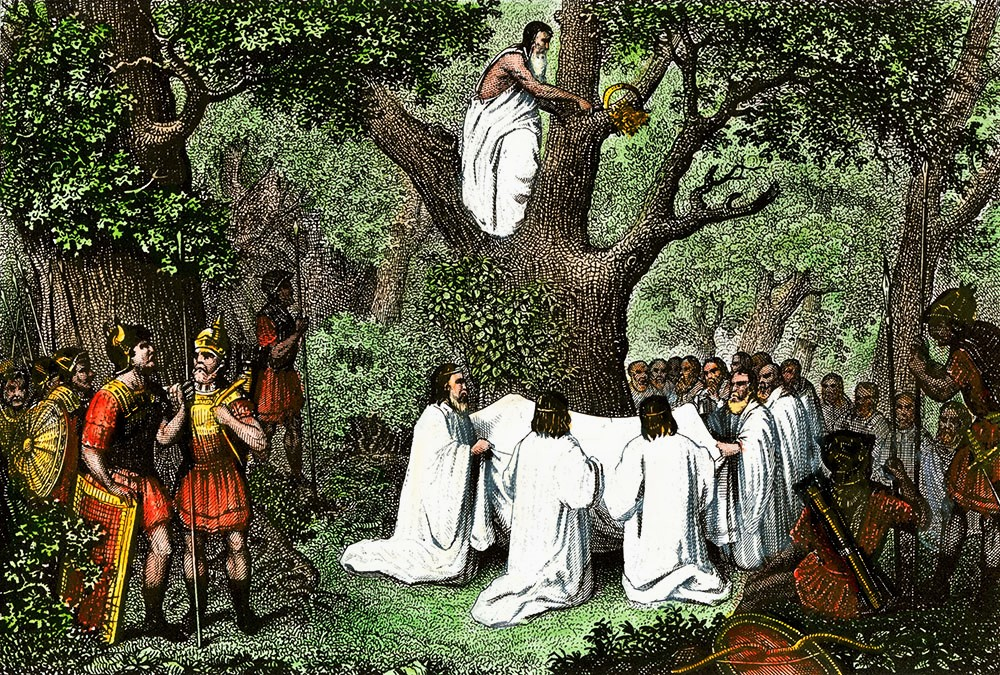
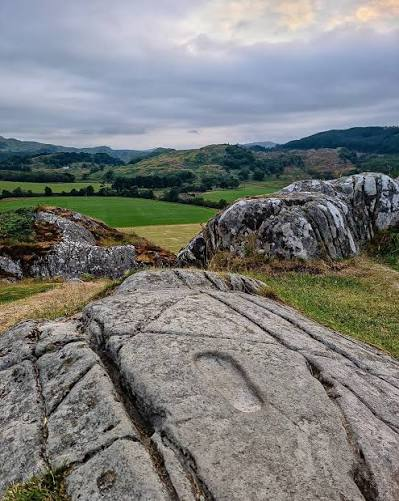
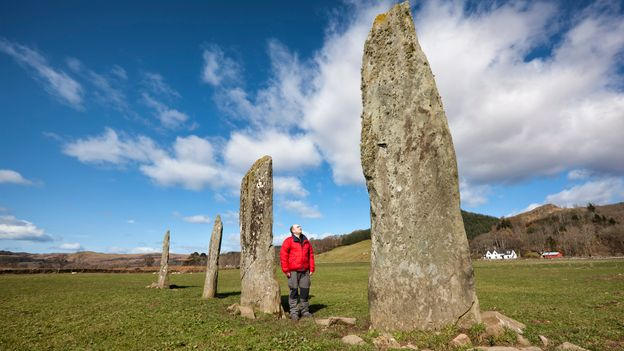
Celtic Tree Worship

– The Celts believed trees were living ancestors connected to the Otherworld.
– The oak, ash, and yew were especially sacred, symbolizing strength, protection, and immortality.
– Druids held ceremonies in groves, using trees as gateways to spiritual knowledge.

Norse Sacred Trees

– Yggdrasil, the World Tree, connected the nine realms in Norse cosmology.
– Sacred groves served as ritual sites for offerings, sacrifices, and assemblies.
– Trees represented cosmic order, divine communication, and the life cycle of creation and destruction.

Slavic Tree Traditions

– Ancient Slavs revered trees as dwelling places of nature spirits, ancestors, and protective deities.
– The linden tree symbolized harmony and community, while the oak represented Perun, the god of thunder.
– Rituals involved tying ribbons, leaving offerings, and performing seasonal ceremonies around sacred trees.

Universal Spiritual Meaning

– Trees were viewed as mediators between Earth and sky, embodying resilience, fertility, and the continuity of life.
– Their seasonal cycles inspired myths of death, rebirth, and eternal renewal.
– Across cultures, sacred trees symbolized the unity between nature and the divine.
← The Ancient Astronomers of Chichen ItzaThe Lost Temples of Angkor Before Angkor Wat →
Featured
image_2026-01-28_190316644.png
Jan 28, 2026
Additional €350k in funding for scheme to safeguard Irish UNESCO World Heritage sites announced
Jan 28, 2026
Read More →
Jan 28, 2026
image_2026-01-28_190002439.png
Jan 28, 2026
Twisting Narratives on the History of “Khom” and the Authentic Heritage of Prasat Chan
Jan 28, 2026
Read More →
Jan 28, 2026
image_2026-01-28_184510824.png
Jan 28, 2026
The Taş Tepeler Horizon Expands: Göbeklitepe-Style T-Pillars Discovered in Adıyaman
Jan 28, 2026
Read More →
Jan 28, 2026
image_2026-01-28_184059199.png
Jan 28, 2026
Long before Cleopatra, another female pharaoh redefined ancient Egyptian power
Jan 28, 2026
Read More →
Jan 28, 2026
image_2026-01-28_181544431.png
Jan 28, 2026
Bronze Age secrets unearthed at Northumberland dig site
Jan 28, 2026
Read More →
Jan 28, 2026
image_2026-01-28_180229695.png
Jan 28, 2026
Discovery of monumental sacred lake at Karnak
Jan 28, 2026
Read More →
Jan 28, 2026
read more

Powered by The archaeologist