• MAIN PAGE
  • LATEST NEWS
    • Lost Cities
    • Archaeology's Greatest Finds
    • Underwater Discoveries
    • Greatest Inventions
    • Studies
    • Blog
  • PHILOSOPHY
  • HISTORY
  • RELIGIONS
    • Africa
    • Anatolia
    • Arabian Peninsula
    • Balkan Region
    • China - East Asia
    • Europe
    • Eurasian Steppe
    • Levant
    • Mesopotamia
    • Oceania - SE Asia
    • Pre-Columbian Civilizations of America
    • Iranian Plateau - Central Asia
    • Indus Valley - South Asia
    • Japan
    • The Archaeologist Editor Group
    • Scientific Studies
    • Aegean Prehistory
    • Historical Period
    • Byzantine Middle Ages
    • Predynastic Period
    • Dynastic Period
    • Greco-Roman Egypt
  • Rome
  • PALEONTOLOGY
  • About us
Menu

The Archaeologist

  • MAIN PAGE
  • LATEST NEWS
  • DISCOVERIES
    • Lost Cities
    • Archaeology's Greatest Finds
    • Underwater Discoveries
    • Greatest Inventions
    • Studies
    • Blog
  • PHILOSOPHY
  • HISTORY
  • RELIGIONS
  • World Civilizations
    • Africa
    • Anatolia
    • Arabian Peninsula
    • Balkan Region
    • China - East Asia
    • Europe
    • Eurasian Steppe
    • Levant
    • Mesopotamia
    • Oceania - SE Asia
    • Pre-Columbian Civilizations of America
    • Iranian Plateau - Central Asia
    • Indus Valley - South Asia
    • Japan
    • The Archaeologist Editor Group
    • Scientific Studies
  • GREECE
    • Aegean Prehistory
    • Historical Period
    • Byzantine Middle Ages
  • Egypt
    • Predynastic Period
    • Dynastic Period
    • Greco-Roman Egypt
  • Rome
  • PALEONTOLOGY
  • About us

The Scythian Burial Mounds

January 2, 2026

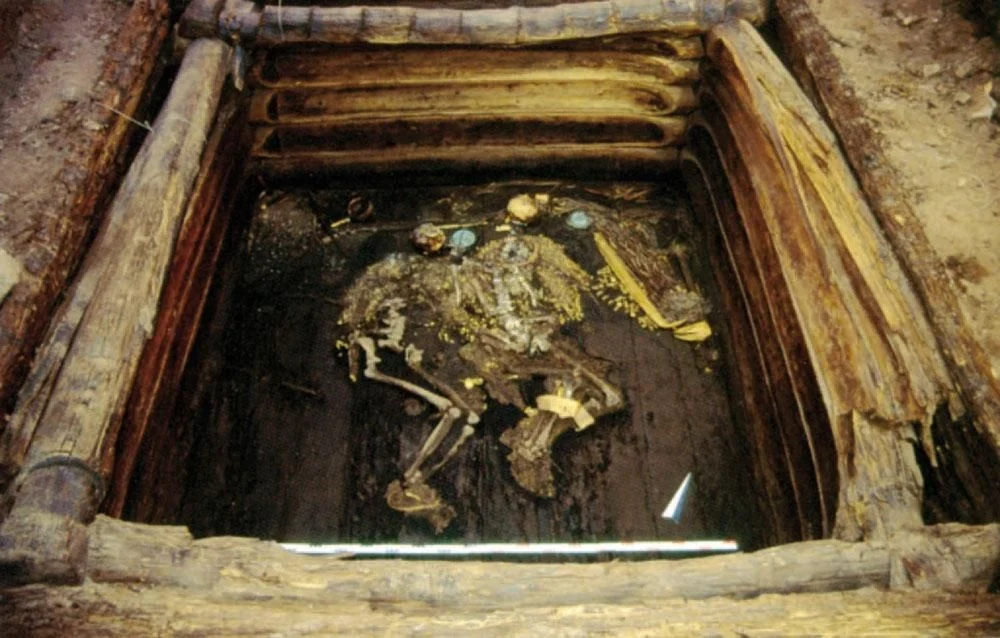
The Scythians were nomadic warrior cultures that dominated the Eurasian степpe from around the 9th to 3rd centuries BCE. Much of what we know about them comes from their kurgans, or burial mounds, scattered across modern-day Russia, Ukraine, and Central Asia. These burial sites reveal extraordinary insights into Scythian social structure, beliefs, and artistry.

Scythian burials were elaborate and often included weapons, horses, clothing, jewelry, and household items. Elite individuals were buried with sacrificed servants and horses, reflecting beliefs in an afterlife where status continued. Frozen kurgans in Siberia preserved organic materials, allowing archaeologists to study textiles, tattoos, and wooden objects.

The artistic style found in Scythian graves is known as the animal style, featuring dynamic depictions of animals in combat or motion. These images likely held symbolic meanings connected to power, protection, and spiritual transformation. The kurgans demonstrate that despite their nomadic lifestyle, the Scythians possessed sophisticated craftsmanship and complex religious beliefs centered on death and the afterlife.
← The Ancient Greek Mystery SchoolsThe Mysterious Copper Scroll →
Featured
image_2026-01-02_154214698.png
Jan 2, 2026
The Mythical Phoenix Across Ancient Cultures
Jan 2, 2026
Read More →
Jan 2, 2026
image_2026-01-02_153752881.png
Jan 2, 2026
The First Chariots in Human History
Jan 2, 2026
Read More →
Jan 2, 2026
image_2026-01-02_153652162.png
Jan 2, 2026
The Jōmon Pottery of Ancient Japan
Jan 2, 2026
Read More →
Jan 2, 2026
image_2026-01-02_153238013.png
Jan 2, 2026
The Ancient Greek Concept of the Soul
Jan 2, 2026
Read More →
Jan 2, 2026
image_2026-01-02_153121480.png
Jan 2, 2026
The Lost City of Çatalhöyük
Jan 2, 2026
Read More →
Jan 2, 2026
image_2026-01-02_153036267.png
Jan 2, 2026
The Ancient Trade Networks of the Sahara
Jan 2, 2026
Read More →
Jan 2, 2026
read more

Powered by The archaeologist