• MAIN PAGE
  • LATEST NEWS
    • Lost Cities
    • Archaeology's Greatest Finds
    • Underwater Discoveries
    • Greatest Inventions
    • Studies
    • Blog
  • PHILOSOPHY
  • HISTORY
  • RELIGIONS
    • Africa
    • Anatolia
    • Arabian Peninsula
    • Balkan Region
    • China - East Asia
    • Europe
    • Eurasian Steppe
    • Levant
    • Mesopotamia
    • Oceania - SE Asia
    • Pre-Columbian Civilizations of America
    • Iranian Plateau - Central Asia
    • Indus Valley - South Asia
    • Japan
    • The Archaeologist Editor Group
    • Scientific Studies
    • Aegean Prehistory
    • Historical Period
    • Byzantine Middle Ages
    • Predynastic Period
    • Dynastic Period
    • Greco-Roman Egypt
  • Rome
  • PALEONTOLOGY
  • About us
Menu

The Archaeologist

  • MAIN PAGE
  • LATEST NEWS
  • DISCOVERIES
    • Lost Cities
    • Archaeology's Greatest Finds
    • Underwater Discoveries
    • Greatest Inventions
    • Studies
    • Blog
  • PHILOSOPHY
  • HISTORY
  • RELIGIONS
  • World Civilizations
    • Africa
    • Anatolia
    • Arabian Peninsula
    • Balkan Region
    • China - East Asia
    • Europe
    • Eurasian Steppe
    • Levant
    • Mesopotamia
    • Oceania - SE Asia
    • Pre-Columbian Civilizations of America
    • Iranian Plateau - Central Asia
    • Indus Valley - South Asia
    • Japan
    • The Archaeologist Editor Group
    • Scientific Studies
  • GREECE
    • Aegean Prehistory
    • Historical Period
    • Byzantine Middle Ages
  • Egypt
    • Predynastic Period
    • Dynastic Period
    • Greco-Roman Egypt
  • Rome
  • PALEONTOLOGY
  • About us

The Ancient Healing Powers of Hot Springs and Sacred Waters

December 6, 2025

How Early Civilizations Used Thermal Waters for Health and Spiritual Renewal

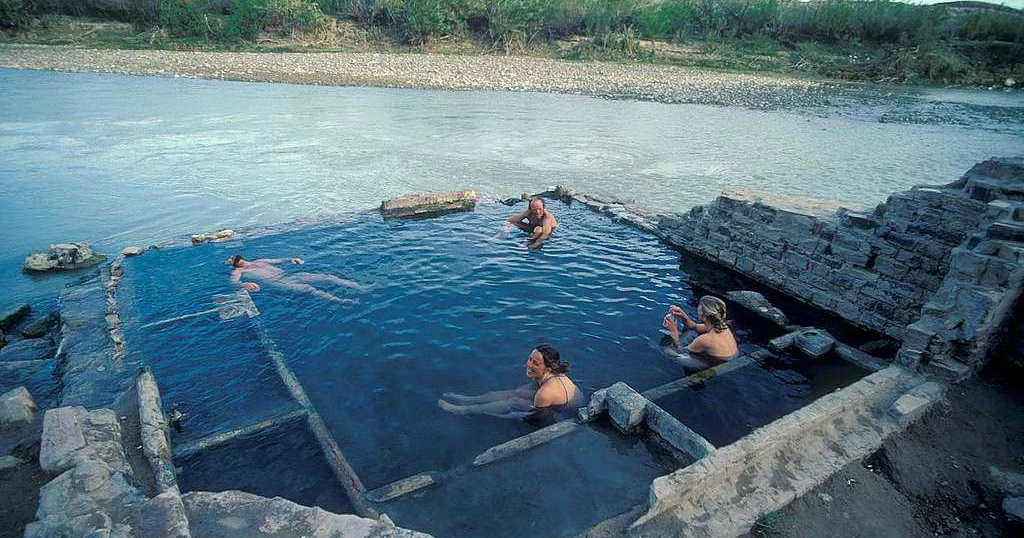
Throughout the ancient world, people viewed natural springs and warm mineral waters as gifts from the gods. These sites became hubs of healing, worship, and community life.

Natural Springs as Sacred Spaces

In Greece, the sanctuaries of Asklepios often included baths where the sick purified themselves before seeking treatment. Romans built elaborate bath complexes around thermal springs, believing the waters restored vitality and relieved pain.

In Japan, early Shinto beliefs connected hot springs to spiritual cleansing, while indigenous groups in North America used sacred pools for ritual purification.

Healing Through Mineral-rich Waters

Ancient physicians recognized that certain springs soothed ailments like joint pain, skin conditions, and fatigue. Although they lacked modern science, they observed consistent benefits from mineral baths.

People traveled long distances to reach these healing waters, turning springs into early wellness destinations.

Where Earth and Spirit Meet

Many cultures saw springs as portals to the divine or as homes of protective spirits. Offerings, prayers, and rituals were common. The combination of natural beauty, warm water, and communal gathering transformed these locations into powerful spiritual centers.
← The First Animal Domestication: How Wolves Became DogsThe Ancient Cult of Mithras: Secrets of the Roman Underground →
Featured
Apr 21, 2026
Prehistoric Surgery: Evidence of Amputation and Healing 30,000 Years Ago
Apr 21, 2026
Read More →
Apr 21, 2026
image_2026-04-22_001057743.png
Apr 21, 2026
The Lost Legions of Varus: Finding the Site of the Teutoburg Forest Disaster
Apr 21, 2026
Read More →
Apr 21, 2026
image_2026-04-22_000948404.png
Apr 21, 2026
Ancient Cyber-Archaeology: Preserving War-Torn History with Laser Scanning
Apr 21, 2026
Read More →
Apr 21, 2026
image_2026-04-21_235424737.png
Apr 21, 2026
The Hanging Gardens of Babylon: Did They Exist, and Where Were They?
Apr 21, 2026
Read More →
Apr 21, 2026
image_2026-04-21_232635722.png
Apr 21, 2026
Roman Dodecahedrons: The Enigmatic Objects That Still Baffle Historians
Apr 21, 2026
Read More →
Apr 21, 2026
image_2026-04-21_230035737.png
Apr 21, 2026
With a weapon and a bundle of banknotes, the former weightlifter accused of the death of Myrto posed on social media, see photos
Apr 21, 2026
Read More →
Apr 21, 2026
read more

Powered by The archaeologist