Connecting the Andes Through Innovation and Organization
Origins and Scope
The Inca road network, known as Qhapaq Ñan, stretched over 40,000 kilometers across rugged mountains, deserts, and forests. Constructed primarily between the 15th and 16th centuries, it connected the Inca capital Cusco with distant regions, facilitating administration, trade, and military mobilization.
Engineering Techniques
Inca engineers built roads with stone paving, retaining walls, and drainage systems to prevent erosion. Suspension bridges made of woven grass spanned deep valleys, while stairways allowed access to steep slopes. These innovations enabled year-round travel despite harsh Andean conditions.
Economic and Administrative Importance
The road system allowed efficient transportation of goods, military forces, and messages. Chasquis, or relay runners, could carry messages hundreds of kilometers in a single day, maintaining centralized control over the vast empire. Roads also facilitated the distribution of agricultural produce from fertile valleys to urban centers.
Cultural and Spiritual Dimensions
Some roads had ceremonial significance, linking sacred sites, temples, and huacas (holy places). Pilgrimages along these routes reinforced social cohesion, political loyalty, and religious devotion.
Legacy
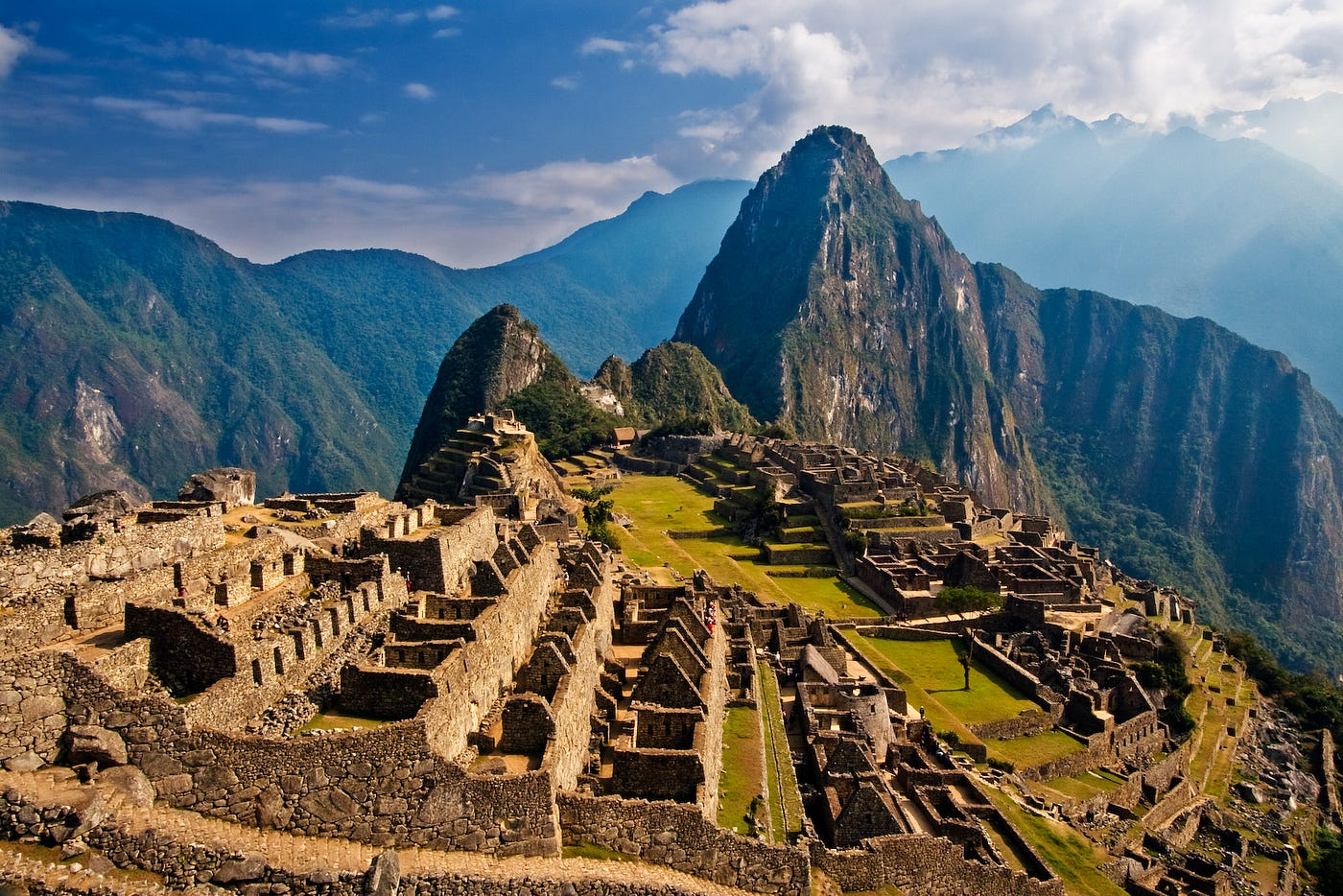
Even today, remnants of the Qhapaq Ñan demonstrate the ingenuity of the Inca civilization, highlighting their advanced understanding of engineering, administration, and logistics.