• MAIN PAGE
  • LATEST NEWS
    • Lost Cities
    • Archaeology's Greatest Finds
    • Underwater Discoveries
    • Greatest Inventions
    • Studies
    • Blog
  • PHILOSOPHY
  • HISTORY
  • RELIGIONS
    • Africa
    • Anatolia
    • Arabian Peninsula
    • Balkan Region
    • China - East Asia
    • Europe
    • Eurasian Steppe
    • Levant
    • Mesopotamia
    • Oceania - SE Asia
    • Pre-Columbian Civilizations of America
    • Iranian Plateau - Central Asia
    • Indus Valley - South Asia
    • Japan
    • The Archaeologist Editor Group
    • Scientific Studies
    • Aegean Prehistory
    • Historical Period
    • Byzantine Middle Ages
    • Predynastic Period
    • Dynastic Period
    • Greco-Roman Egypt
  • Rome
  • PALEONTOLOGY
  • About us
Menu

The Archaeologist

  • MAIN PAGE
  • LATEST NEWS
  • DISCOVERIES
    • Lost Cities
    • Archaeology's Greatest Finds
    • Underwater Discoveries
    • Greatest Inventions
    • Studies
    • Blog
  • PHILOSOPHY
  • HISTORY
  • RELIGIONS
  • World Civilizations
    • Africa
    • Anatolia
    • Arabian Peninsula
    • Balkan Region
    • China - East Asia
    • Europe
    • Eurasian Steppe
    • Levant
    • Mesopotamia
    • Oceania - SE Asia
    • Pre-Columbian Civilizations of America
    • Iranian Plateau - Central Asia
    • Indus Valley - South Asia
    • Japan
    • The Archaeologist Editor Group
    • Scientific Studies
  • GREECE
    • Aegean Prehistory
    • Historical Period
    • Byzantine Middle Ages
  • Egypt
    • Predynastic Period
    • Dynastic Period
    • Greco-Roman Egypt
  • Rome
  • PALEONTOLOGY
  • About us

The Role of the Sacred Cow in Ancient Hinduism

December 9, 2025

Spiritual Symbolism and Protection in Vedic Traditions

Origins of Cow Reverence
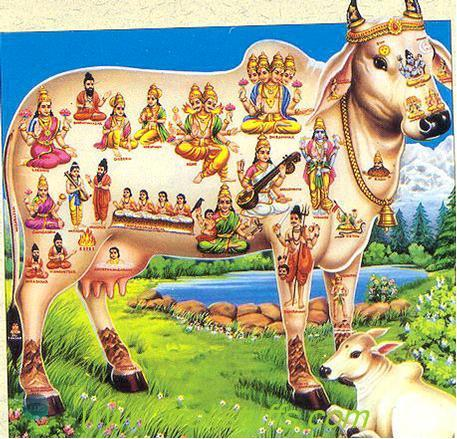
In ancient Vedic texts, cows were considered symbols of abundance, fertility, and non-violence. The cow’s ability to provide milk, butter, and ghee made it central to daily life, nutrition, and religious rituals. Over time, reverence for cows evolved into a spiritual principle, representing the sustenance provided by nature and the divine.

Cultural and Religious Significance
Cows were often associated with deities, especially Krishna, who is depicted as a cowherd in pastoral scenes, embodying love, care, and devotion. In Vedic rituals, cows were offered as gifts to priests, and their milk was used in sacred ceremonies, symbolizing purity and divine blessing.

Protection and Legal Status
Sacred texts discouraged harm to cows, advocating their protection as a religious duty. This reverence shaped social norms, agricultural practices, and dietary choices, fostering the concept of ahimsa (non-violence). Temples often housed cows, which were cared for as living embodiments of spiritual principles.

Legacy
The sacred cow remains a powerful cultural symbol in Hinduism, representing abundance, generosity, and moral duty. Its significance continues to influence Indian rituals, festivals, and ethical teachings today.


← The Ancient Inca Road System: An Engineering MarvelThe Lost Civilization of the Olmecs: The First Mesoamerican Empire →
Featured
image_2025-12-09_210002582.png
Dec 9, 2025
The Forgotten City of Mohenjo-Daro: The Heart of the Indus Valley
Dec 9, 2025
Read More →
Dec 9, 2025
image_2025-12-09_205828085.png
Dec 9, 2025
The Role of the Raven in Norse Mythology
Dec 9, 2025
Read More →
Dec 9, 2025
image_2025-12-09_205741655.png
Dec 9, 2025
The Ancient Inca Road System: An Engineering Marvel
Dec 9, 2025
Read More →
Dec 9, 2025
image_2025-12-09_205657000.png
Dec 9, 2025
The Role of the Sacred Cow in Ancient Hinduism
Dec 9, 2025
Read More →
Dec 9, 2025
image_2025-12-09_205014860.png
Dec 9, 2025
The Lost Civilization of the Olmecs: The First Mesoamerican Empire
Dec 9, 2025
Read More →
Dec 9, 2025
image_2025-12-09_203714830.png
Dec 9, 2025
The Role of the Black Obsidian Mirror in Ancient Shamanic Practices
Dec 9, 2025
Read More →
Dec 9, 2025
read more

Powered by The archaeologist