• MAIN PAGE
  • LATEST NEWS
    • Lost Cities
    • Archaeology's Greatest Finds
    • Underwater Discoveries
    • Greatest Inventions
    • Studies
    • Blog
  • PHILOSOPHY
  • HISTORY
  • RELIGIONS
    • Africa
    • Anatolia
    • Arabian Peninsula
    • Balkan Region
    • China - East Asia
    • Europe
    • Eurasian Steppe
    • Levant
    • Mesopotamia
    • Oceania - SE Asia
    • Pre-Columbian Civilizations of America
    • Iranian Plateau - Central Asia
    • Indus Valley - South Asia
    • Japan
    • The Archaeologist Editor Group
    • Scientific Studies
    • Aegean Prehistory
    • Historical Period
    • Byzantine Middle Ages
    • Predynastic Period
    • Dynastic Period
    • Greco-Roman Egypt
  • Rome
  • PALEONTOLOGY
  • About us
Menu

The Archaeologist

  • MAIN PAGE
  • LATEST NEWS
  • DISCOVERIES
    • Lost Cities
    • Archaeology's Greatest Finds
    • Underwater Discoveries
    • Greatest Inventions
    • Studies
    • Blog
  • PHILOSOPHY
  • HISTORY
  • RELIGIONS
  • World Civilizations
    • Africa
    • Anatolia
    • Arabian Peninsula
    • Balkan Region
    • China - East Asia
    • Europe
    • Eurasian Steppe
    • Levant
    • Mesopotamia
    • Oceania - SE Asia
    • Pre-Columbian Civilizations of America
    • Iranian Plateau - Central Asia
    • Indus Valley - South Asia
    • Japan
    • The Archaeologist Editor Group
    • Scientific Studies
  • GREECE
    • Aegean Prehistory
    • Historical Period
    • Byzantine Middle Ages
  • Egypt
    • Predynastic Period
    • Dynastic Period
    • Greco-Roman Egypt
  • Rome
  • PALEONTOLOGY
  • About us
No results found

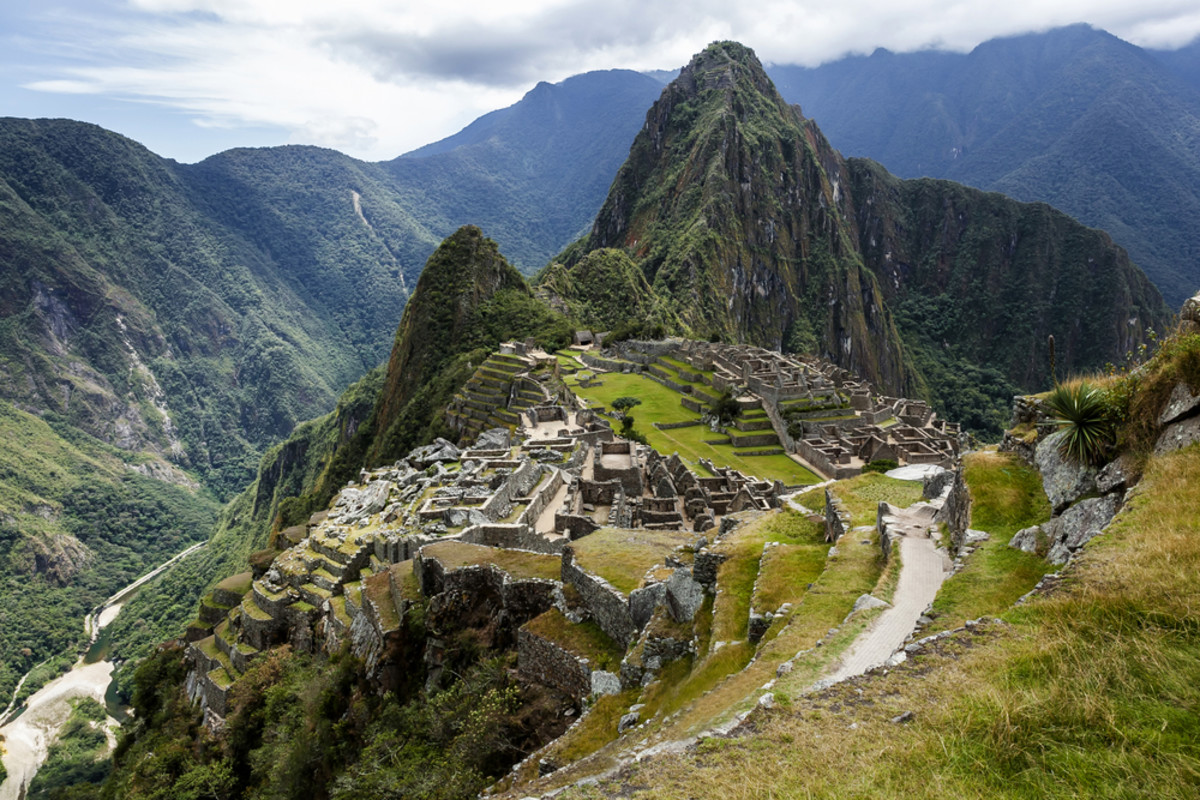
The Ancient Road Networks of the Inca Empire

November 29, 2025

How the Incas Built One of the World’s Great Trail Systems

The Inca Empire developed an extraordinary network of roads across the Andes, connecting cities, trade centers, and agricultural regions over vast and challenging terrain.

Engineering in Extreme Landscapes

Inca engineers built stone-paved roads, rope suspension bridges, stairways, and tunnels. These pathways crossed deserts, mountains, and forests, showing remarkable adaptability.

Communication and Control

The road system supported:

  • Rapid communication via runners called chaskis

  • Military movement

  • Transport of goods

  • Administrative control

The Qhapaq Ñan

The most famous route, the Qhapaq Ñan, stretched thousands of kilometers from Ecuador to Chile and remains a UNESCO World Heritage Site.

A Testament to Inca Innovation

These roads helped unify the empire and remain one of the most impressive engineering achievements of the ancient world.
← The Giant Statues of Easter Island: Moai and Their MeaningThe Myth of the Phoenix: A Bird of Fire and Rebirth →
Featured
images - 2026-10-04T025445.267.jpeg
October 7, 2026
Gladysvale: South Africa's 2M-Year Hominin Cave
October 7, 2026
Read more →
October 7, 2026
images - 2026-10-04T025527.747.jpeg
October 7, 2026
Gondolin: South Africa's Sabertooth Den
October 7, 2026
Read more →
October 7, 2026
images - 2026-10-04T025554.418.jpeg
October 7, 2026
Swartkrans: South Africa's Homo erectus Fire Use
October 7, 2026
Read more →
October 7, 2026
images - 2026-10-04T025622.209.jpeg
October 7, 2026
Drimolen: South Africa's Earliest Homo
October 7, 2026
Read more →
October 7, 2026
images - 2026-10-04T025648.082.jpeg
October 7, 2026
Rising Star Cave: South Africa's Homo naledi System
October 7, 2026
Read more →
October 7, 2026
images - 2026-10-04T025717.936.jpeg
October 4, 2026
Cradle of Humankind UNESCO Sites: 2026 New Finds
October 4, 2026
Read more →
October 4, 2026
read more

Powered by The archaeologist