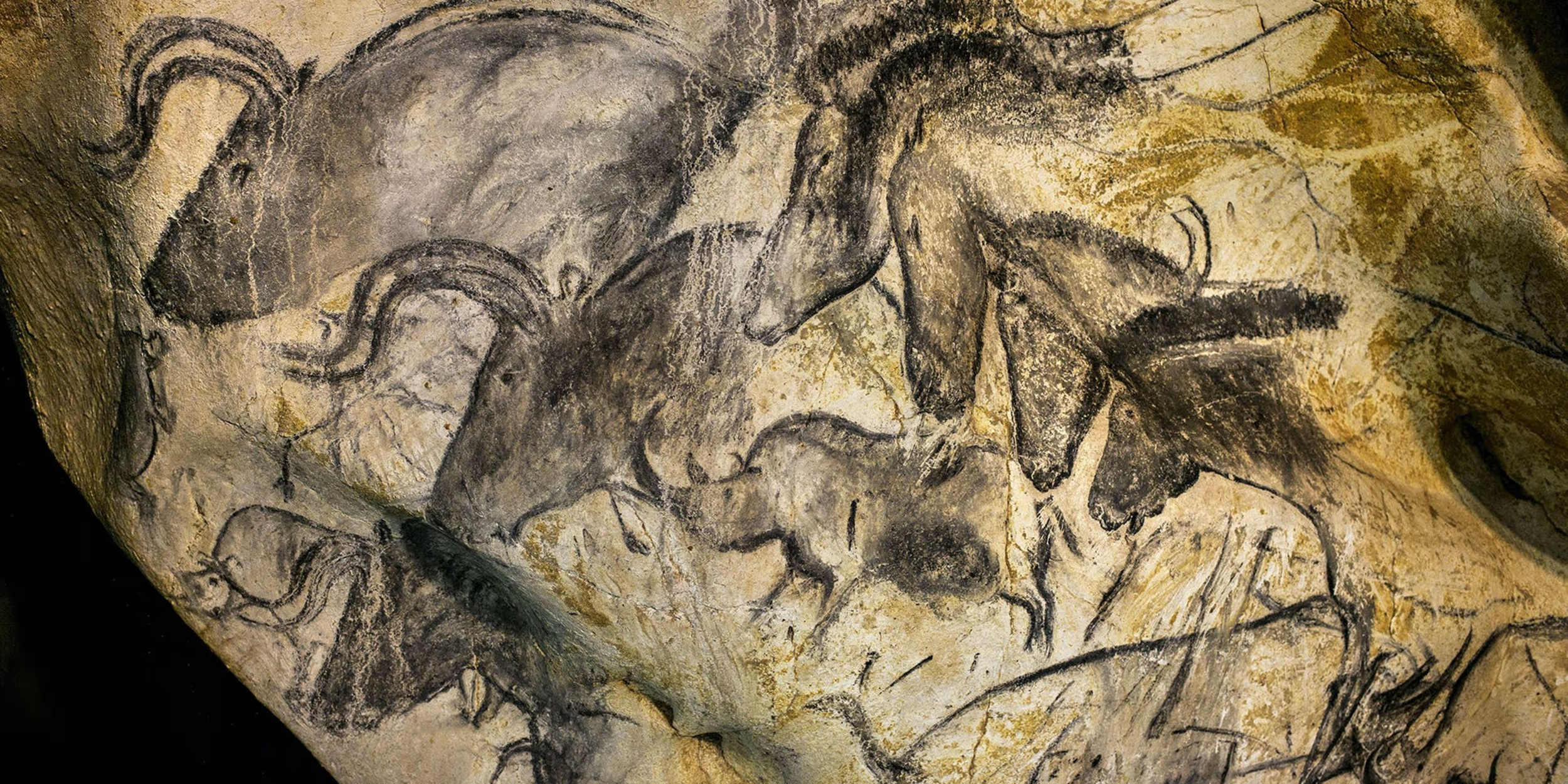
Long before written language, humans expressed emotion, belief, and identity through sculpture. Some of the earliest figurines ever discovered reveal not only artistic skill but deep spiritual meaning.
Symbols of Fertility and Survival
The Venus of Willendorf is one of the oldest known human representations. Carved around 25,000 years ago, it emphasizes fertility and abundance. Its exaggerated features suggest symbolic meaning rather than realistic portraiture.
Across Europe, similar figurines reflect shared concerns about survival, reproduction, and continuity during harsh Ice Age climates.
Faces of Ritual and Emotion
At Göbekli Tepe, massive carved pillars dating back over 11,000 years feature stylized human forms and animal imagery. These carvings suggest ritual gatherings long before organized cities existed.
Meanwhile, the statues of Easter Island—known as moai—demonstrate how sculpture could represent ancestors and spiritual guardians.
The Birth of Artistic Identity
These early works were more than decoration. They embodied belief systems, community identity, and emotional expression. Through stone, early artists captured what it meant to be human—fear, hope, reverence, and belonging.
Art was not an afterthought in civilization. It was one of its foundations.