Introduction to Ebla
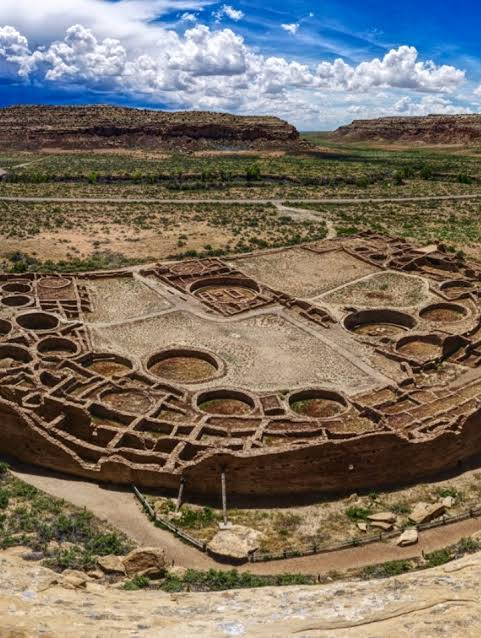
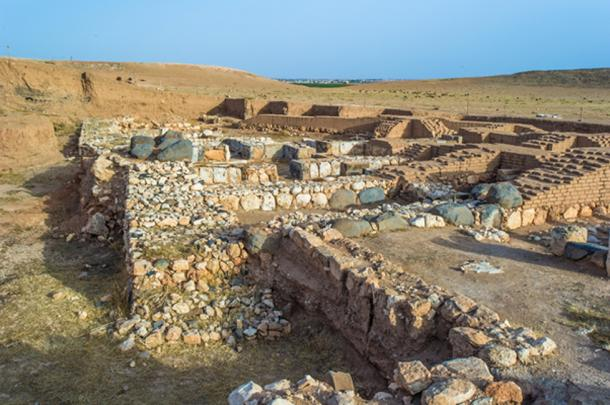
Ebla, located in modern-day Syria, was a major urban center during the Bronze Age, flourishing around 2500–2250 BCE. Rediscovered in the 1970s, it is known for its massive palace complex, advanced urban planning, and a vast archive of cuneiform tablets, revealing insights into diplomacy, trade, and culture.
Language and Writing
The Ebla tablets are written in Eblaite, a Semitic language, and provide the earliest known records of administration, correspondence, and treaties. They include inventories of goods, legal codes, and diplomatic communications with other contemporary city-states, highlighting the complexity of early urban governance.
Economic and Trade Networks
Ebla’s strategic location allowed it to become a hub for trade between Mesopotamia, Anatolia, and the Levant. Tablets detail transactions involving textiles, metals, and agricultural products, illustrating the city’s economic power and integration into broader regional networks.
Religion and Society
Temples and shrines dedicated to multiple deities were central to civic life. Religious elites maintained rituals, festivals, and education for scribes. The interplay of religion and administration in Ebla demonstrates how belief systems were deeply connected to governance and trade.
Legacy and Historical Importance
The discovery of Ebla reshaped understanding of early Semitic civilization and urban culture. Its archives provide unprecedented insight into early writing systems, diplomacy, and economic organization, offering a rare window into the social, political, and religious life of a Bronze Age city.