Introduction to the Tangata Manu Tradition
The Birdman cult of Easter Island, or Rapa Nui, centered around an annual competition that determined spiritual and political leadership. Participants sought to retrieve the first sooty tern egg from offshore islets, symbolizing a connection to the divine and control over the island’s resources.
Ritual Significance
The cult integrated religious devotion, fertility symbolism, and political authority. Winning the competition conferred the title of Tangata Manu, granting the victor and their clan privileges, social status, and spiritual influence. Rituals included offerings to ancestral spirits, chants, and ceremonial dances.
The Physical and Social Challenge
Competitors navigated treacherous waters, climbed cliffs, and endured long periods of isolation. This extreme challenge symbolized the participant’s dedication, bravery, and alignment with divine forces. Clans trained extensively, blending physical prowess with spiritual preparation.
Art and Symbolism
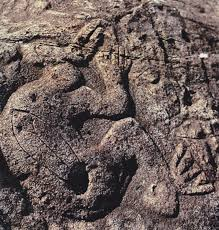
Petroglyphs, figurines, and ceremonial sites depict birds, eggs, and ritual figures, preserving the visual language of the Birdman cult. These artifacts provide insights into the cultural priorities of Rapa Nui, including the balance of human skill, spiritual devotion, and natural cycles.
Legacy and Interpretation
Today, the Birdman cult is studied as an example of ritualized social organization, where religious practice, politics, and environmental awareness intersect. The ceremonies highlight how premodern societies codified leadership, divine favor, and communal cooperation through symbolic acts and daring feats.