• MAIN PAGE
  • LATEST NEWS
    • Lost Cities
    • Archaeology's Greatest Finds
    • Underwater Discoveries
    • Greatest Inventions
    • Studies
    • Blog
  • PHILOSOPHY
  • HISTORY
  • RELIGIONS
    • Africa
    • Anatolia
    • Arabian Peninsula
    • Balkan Region
    • China - East Asia
    • Europe
    • Eurasian Steppe
    • Levant
    • Mesopotamia
    • Oceania - SE Asia
    • Pre-Columbian Civilizations of America
    • Iranian Plateau - Central Asia
    • Indus Valley - South Asia
    • Japan
    • The Archaeologist Editor Group
    • Scientific Studies
    • Aegean Prehistory
    • Historical Period
    • Byzantine Middle Ages
    • Predynastic Period
    • Dynastic Period
    • Greco-Roman Egypt
  • Rome
  • PALEONTOLOGY
  • About us
Menu

The Archaeologist

  • MAIN PAGE
  • LATEST NEWS
  • DISCOVERIES
    • Lost Cities
    • Archaeology's Greatest Finds
    • Underwater Discoveries
    • Greatest Inventions
    • Studies
    • Blog
  • PHILOSOPHY
  • HISTORY
  • RELIGIONS
  • World Civilizations
    • Africa
    • Anatolia
    • Arabian Peninsula
    • Balkan Region
    • China - East Asia
    • Europe
    • Eurasian Steppe
    • Levant
    • Mesopotamia
    • Oceania - SE Asia
    • Pre-Columbian Civilizations of America
    • Iranian Plateau - Central Asia
    • Indus Valley - South Asia
    • Japan
    • The Archaeologist Editor Group
    • Scientific Studies
  • GREECE
    • Aegean Prehistory
    • Historical Period
    • Byzantine Middle Ages
  • Egypt
    • Predynastic Period
    • Dynastic Period
    • Greco-Roman Egypt
  • Rome
  • PALEONTOLOGY
  • About us
No results found

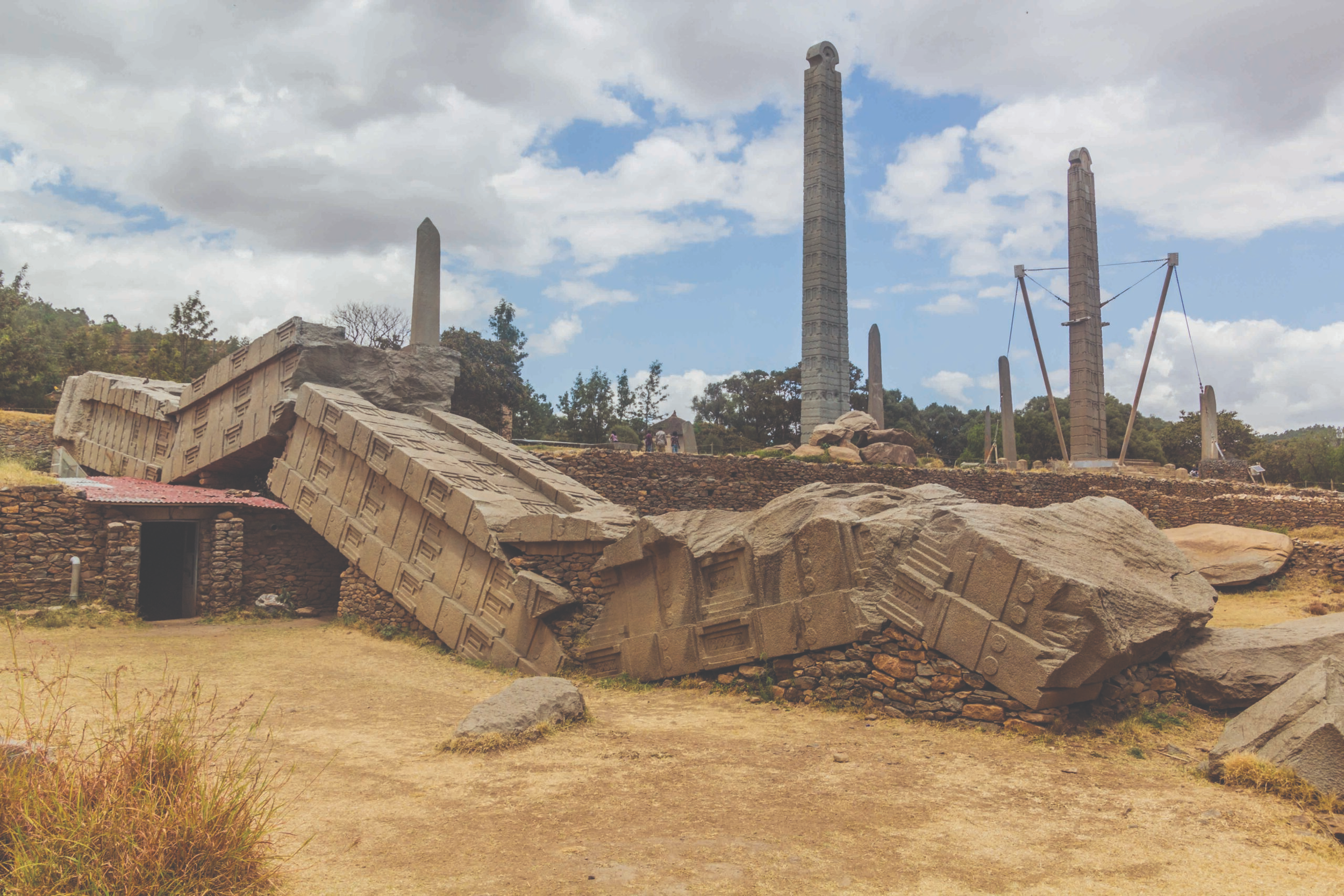
The Forgotten Kingdom of Aksum in Africa

December 7, 2025

Ethiopia’s Ancient Powerhouse

The Kingdom of Aksum, flourishing between the 1st and 7th centuries CE in modern Ethiopia and Eritrea, was a hub of trade, religion, and culture. Its rulers claimed legendary ties to King Solomon and the Queen of Sheba.

Trade and Influence

Aksum controlled Red Sea trade routes, exchanging gold, ivory, and exotic goods. Coins, inscriptions, and architecture reveal a sophisticated, interconnected economy that rivaled contemporary empires.

Religion and Culture

Aksum adopted Christianity in the 4th century CE, blending local traditions with new religious practices. The kingdom left behind monumental stelae, churches, and inscriptions that testify to its spiritual and cultural achievements.

Legacy

Though largely forgotten in Western history, Aksum influenced East African civilization and retains a central place in Ethiopian heritage and identity.
← The Secrets of the Ancient Mayan Ball GameThe Ancient Art of Bone Carving and Jewelry Making →
Featured
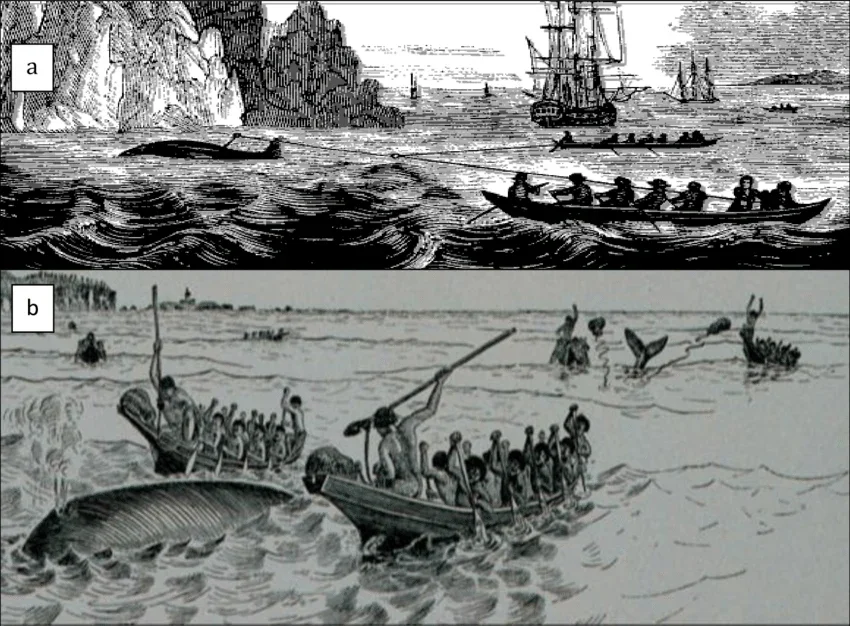
Whaling-scenes-a-English-whalers-in-the-North-Atlantic-19th-century-Cheever-1853.webp
October 18, 2026
Medieval Arctic Whaling Stations: Norse and Indigenous Interactions
October 18, 2026
Read more →
October 18, 2026
images+(71).webp
October 18, 2026
Carbonate Crusts as Dating Tools on Coastal Archaeological Wood
October 18, 2026
Read more →
October 18, 2026
images - 2026-10-17T223455.684.jpeg
October 18, 2026
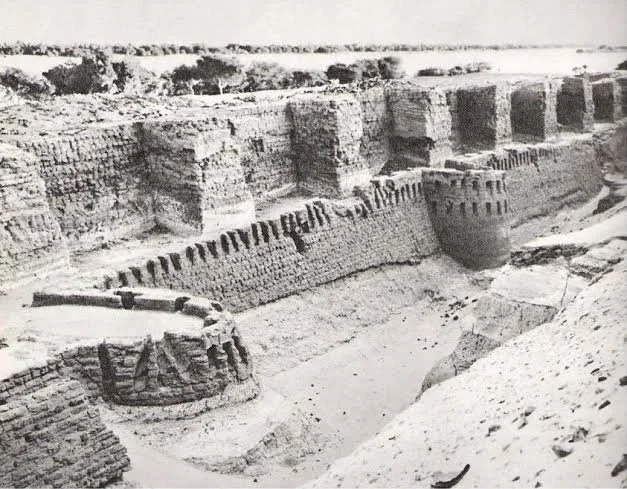
The Collapse of Prehistoric Irrigation in Central Asia: New Models
October 18, 2026
Read more →
October 18, 2026
acoustics-05-00018-g004 (1).png
October 18, 2026
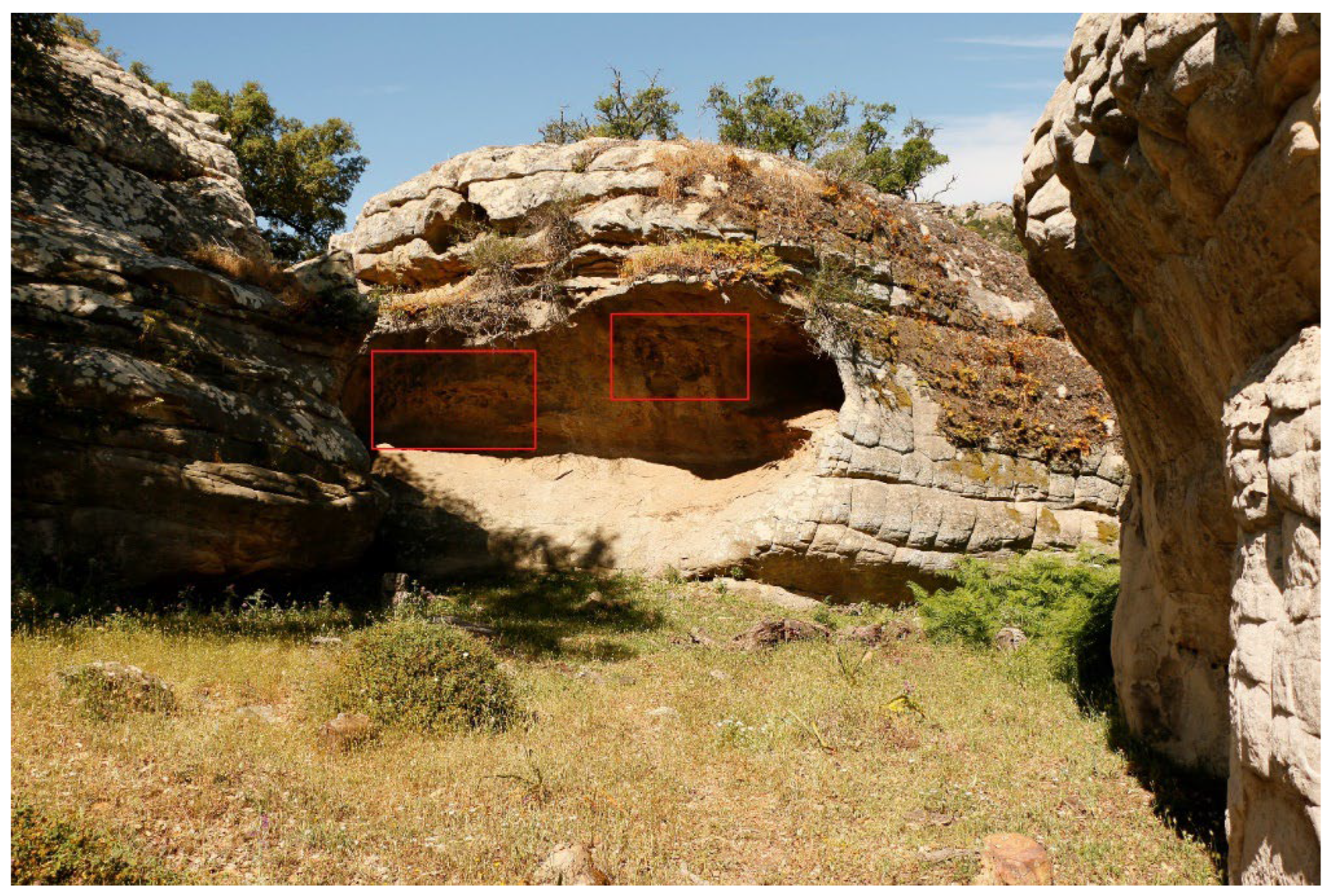
Rock-Shelter Soundscapes: Acoustics and Ritual Performance in Prehistory
October 18, 2026
Read more →
October 18, 2026
images - 2026-10-17T223602.054.jpeg
October 18, 2026
The Archaeology of Ancient Beekeeping: Hives, Honey and Trade
October 18, 2026
Read more →
October 18, 2026
October 18, 2026
Forgotten Ironworks: Sub-Saharan Bloomery Sites off the Mainstream Map
October 18, 2026
Read more →
October 18, 2026
read more

Powered by The archaeologist