• MAIN PAGE
  • LATEST NEWS
    • Lost Cities
    • Archaeology's Greatest Finds
    • Underwater Discoveries
    • Greatest Inventions
    • Studies
    • Blog
  • PHILOSOPHY
  • HISTORY
  • RELIGIONS
    • Africa
    • Anatolia
    • Arabian Peninsula
    • Balkan Region
    • China - East Asia
    • Europe
    • Eurasian Steppe
    • Levant
    • Mesopotamia
    • Oceania - SE Asia
    • Pre-Columbian Civilizations of America
    • Iranian Plateau - Central Asia
    • Indus Valley - South Asia
    • Japan
    • The Archaeologist Editor Group
    • Scientific Studies
    • Aegean Prehistory
    • Historical Period
    • Byzantine Middle Ages
    • Predynastic Period
    • Dynastic Period
    • Greco-Roman Egypt
  • Rome
  • PALEONTOLOGY
  • About us
Menu

The Archaeologist

  • MAIN PAGE
  • LATEST NEWS
  • DISCOVERIES
    • Lost Cities
    • Archaeology's Greatest Finds
    • Underwater Discoveries
    • Greatest Inventions
    • Studies
    • Blog
  • PHILOSOPHY
  • HISTORY
  • RELIGIONS
  • World Civilizations
    • Africa
    • Anatolia
    • Arabian Peninsula
    • Balkan Region
    • China - East Asia
    • Europe
    • Eurasian Steppe
    • Levant
    • Mesopotamia
    • Oceania - SE Asia
    • Pre-Columbian Civilizations of America
    • Iranian Plateau - Central Asia
    • Indus Valley - South Asia
    • Japan
    • The Archaeologist Editor Group
    • Scientific Studies
  • GREECE
    • Aegean Prehistory
    • Historical Period
    • Byzantine Middle Ages
  • Egypt
    • Predynastic Period
    • Dynastic Period
    • Greco-Roman Egypt
  • Rome
  • PALEONTOLOGY
  • About us

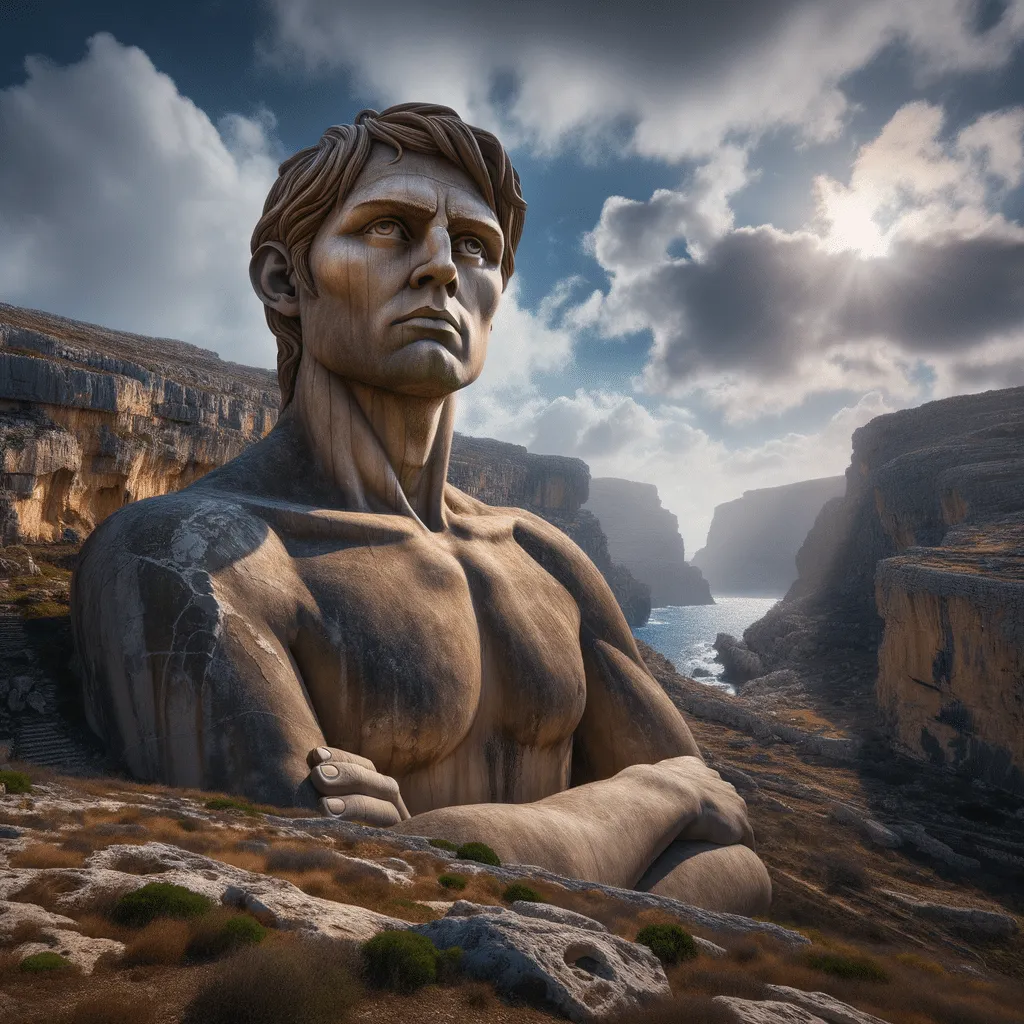
The Giants of Antiquity: Myth or Reality?

March 12, 2026

Stories of enormous human-like beings appear in mythologies around the world. Ancient writers often described giants as powerful creatures who lived during a distant age before ordinary humanity.

In Greek mythology, the Gigantes were monstrous beings who battled the Olympian gods in a cosmic struggle known as the Gigantomachy.

The Hebrew Bible also mentions giant figures called the Nephilim, described as mighty warriors who lived before the great flood.

Similarly, ancient Mesopotamian texts describe heroic figures of immense strength, such as the legendary king Gilgamesh, whose extraordinary size symbolized divine ancestry.

Some historians believe these stories may have been inspired by the discovery of large fossilized bones belonging to extinct animals such as mammoths or dinosaurs. Without modern scientific knowledge, ancient people may have interpreted these remains as evidence of giant humanoid beings.

Although no archaeological evidence confirms the existence of a race of giants, the persistence of such myths across cultures reveals how ancient societies used storytelling to explain mysterious discoveries and natural phenomena.
← Ancient Underwater Cities Around the WorldThe Forgotten Builders of Megalithic Structures →
Featured
image_2026-03-11_220006506.png
Mar 12, 2026
Lost Civilizations Mentioned in Ancient Texts
Mar 12, 2026
Read More →
Mar 12, 2026
image_2026-03-11_215852509.png
Mar 12, 2026
Ancient Weapons of Legendary Power
Mar 12, 2026
Read More →
Mar 12, 2026
image_2026-03-11_215507511.png
Mar 12, 2026
Mystery Temples That Still Defy Explanation
Mar 12, 2026
Read More →
Mar 12, 2026
image_2026-03-11_215427389.png
Mar 12, 2026
Ancient Astronomy and the Knowledge of the Stars
Mar 12, 2026
Read More →
Mar 12, 2026
image_2026-03-11_215354421.png
Mar 12, 2026
The Origins of the First Gods and Cosmic Beings
Mar 12, 2026
Read More →
Mar 12, 2026
image_2026-03-11_215314721.png
Mar 12, 2026
Ancient Underwater Cities Around the World
Mar 12, 2026
Read More →
Mar 12, 2026
read more

Powered by The archaeologist