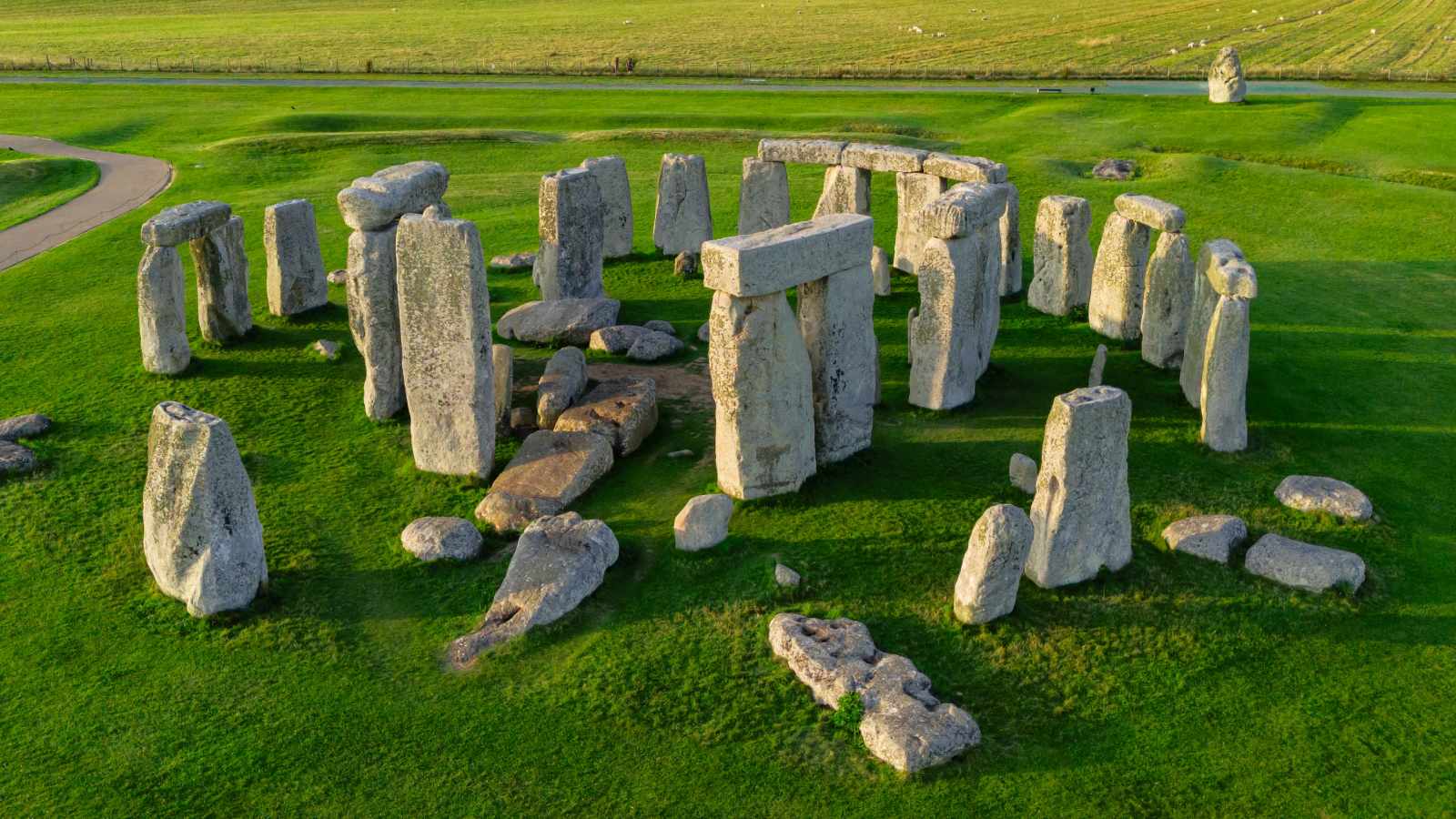
Across the globe, prehistoric cultures constructed enormous stone monuments known as megaliths. These structures, often weighing many tons, continue to puzzle researchers because of the immense effort required to transport and position such massive stones.
One of the most extraordinary sites is Göbekli Tepe, where towering stone pillars arranged in circular enclosures were erected more than 11,000 years ago. The pillars display intricate carvings of animals, suggesting that the site served an important ceremonial purpose.
In the Middle East, the enormous stone platform at Baalbek contains some of the largest blocks ever used in construction. Individual stones weigh hundreds of tons, raising questions about the engineering methods used to move them.
Meanwhile in France, the megalithic alignments of Carnac consist of thousands of standing stones stretching across the landscape. Their purpose remains uncertain, though many scholars believe they held astronomical or ritual significance.
Although ancient builders lacked modern machinery, they likely relied on ingenious techniques involving wooden rollers, sledges, ropes, and large coordinated labor forces.
These monumental projects demonstrate that prehistoric societies possessed sophisticated organizational skills and deep cultural motivations that inspired them to reshape entire landscapes