For a long time, the Great Pyramids were viewed as monuments built by the forced labor of thousands of slaves. However, over the last few decades, archaeological excavations led by Mark Lehner and Zahi Hawass on the Giza Plateau have revolutionized our understanding.
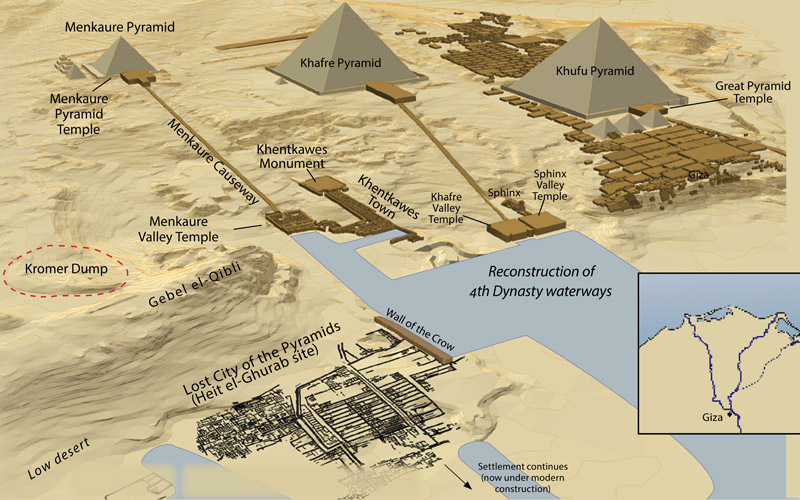
They discovered the "Lost City of the Pyramid Builders" (Heit el-Ghurab), a highly organized urban complex that proves the workforce was a massive, well-fed, and skilled bureaucracy.
1. The Layout of the Workers' Village
Located south of the Great Sphinx and the "Wall of the Crow," the village was a masterclass in ancient urban planning. It wasn't a haphazard camp; it was a grid-based city designed for efficiency.
The Galleries: The most striking feature is a series of long, parallel mud-brick rooms. These galleries could house up to 2,000 workers at a time. They likely functioned as barracks for the rotating labor force (phyles) that came from across Egypt to serve their tenure.
The Eastern Town: This area contained smaller, more organic housing, likely for the permanent residents, overseers, and artisans who lived there year-round with their families.
2. The Great Bakery: Fueling a Monument
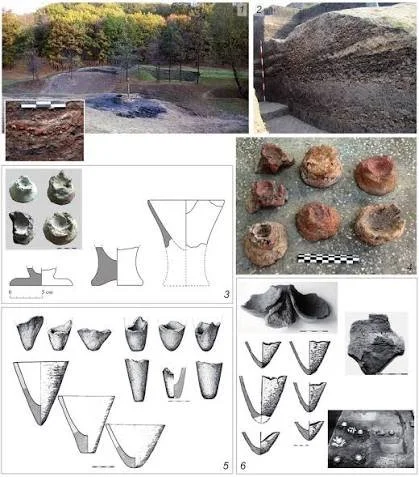
Building a pyramid is an athletic feat, and the "Lost City" was essentially a massive caloric processing plant. Archaeology has uncovered dozens of bakeries capable of producing thousands of loaves of bread daily.
The Bread Molds: Excavators found thousands of heavy, bell-shaped ceramic pots called bedja. These were heated in open fires, filled with dough, and stacked. The heat from the ceramic baked the bread evenly, producing a dense, nutritious loaf that was the staple of the worker's diet.
The "Menu": Analysis of "trash heaps" (middens) shows that the workers weren't just eating bread. They consumed massive amounts of prime beef, sheep, and goat. The presence of young cattle bones suggests the workers were being fed high-quality protein provided by the state—a far cry from a "slave's diet."
3. The Administration and Logistics
The village included administrative buildings that acted as the "nerve center" for the construction project.
Porters and Scribes: Thousands of clay sealings have been found, used to lock jars and doors. These seals bear the names of officials and departments, proving that every bag of grain and every tool was tracked by a sophisticated accounting system.
The Fish Processors: Large areas were dedicated to drying and salting fish. Forensic analysis of fish bones shows that many were deep-sea species, indicating a massive supply chain reaching all the way to the Mediterranean.
4. The Workers' Tombs: A Final Reward
Perhaps the most significant find was the Workers' Cemetery located on the slopes above the village.
Status in Death: Slaves would not have been buried in honorable tombs so close to the Pharaoh's pyramid. The tombs range from simple pits to elaborate mini-pyramids made of mud-brick.
Forensic Evidence: The skeletons show signs of heavy labor—specifically stress on the spine—but they also show something unexpected: successful medical treatment. Archaeologists found set bones that had perfectly healed and even evidence of brain surgery (trepanation). This proves the state provided high-level medical care to ensure the laborers could return to work.
5. The "Wall of the Crow"
A massive stone wall with a giant gateway separates the sacred pyramid precinct from the bustling, noisy workers' city. This 200-meter-long wall served as both a physical barrier and a symbolic threshold between the "City of the Dead" (the pyramids) and the "City of the Living" (the village).
The Giza Plateau wasn't just a construction site; it was an economic engine that unified Egypt. The "Lost City" shows us that the pyramids were built not through the whip, but through a massive, nationwide social contract where the people gave their labor in exchange for food, care, and a place in the divine order.