• MAIN PAGE
  • LATEST NEWS
    • Lost Cities
    • Archaeology's Greatest Finds
    • Underwater Discoveries
    • Greatest Inventions
    • Studies
    • Blog
  • PHILOSOPHY
  • HISTORY
  • RELIGIONS
    • Africa
    • Anatolia
    • Arabian Peninsula
    • Balkan Region
    • China - East Asia
    • Europe
    • Eurasian Steppe
    • Levant
    • Mesopotamia
    • Oceania - SE Asia
    • Pre-Columbian Civilizations of America
    • Iranian Plateau - Central Asia
    • Indus Valley - South Asia
    • Japan
    • The Archaeologist Editor Group
    • Scientific Studies
    • Aegean Prehistory
    • Historical Period
    • Byzantine Middle Ages
    • Predynastic Period
    • Dynastic Period
    • Greco-Roman Egypt
  • Rome
  • PALEONTOLOGY
  • About us
Menu

The Archaeologist

  • MAIN PAGE
  • LATEST NEWS
  • DISCOVERIES
    • Lost Cities
    • Archaeology's Greatest Finds
    • Underwater Discoveries
    • Greatest Inventions
    • Studies
    • Blog
  • PHILOSOPHY
  • HISTORY
  • RELIGIONS
  • World Civilizations
    • Africa
    • Anatolia
    • Arabian Peninsula
    • Balkan Region
    • China - East Asia
    • Europe
    • Eurasian Steppe
    • Levant
    • Mesopotamia
    • Oceania - SE Asia
    • Pre-Columbian Civilizations of America
    • Iranian Plateau - Central Asia
    • Indus Valley - South Asia
    • Japan
    • The Archaeologist Editor Group
    • Scientific Studies
  • GREECE
    • Aegean Prehistory
    • Historical Period
    • Byzantine Middle Ages
  • Egypt
    • Predynastic Period
    • Dynastic Period
    • Greco-Roman Egypt
  • Rome
  • PALEONTOLOGY
  • About us

The History of the Silk Road: The First Global Trade Network

November 29, 2025

How a Web of Routes Connected the Ancient World

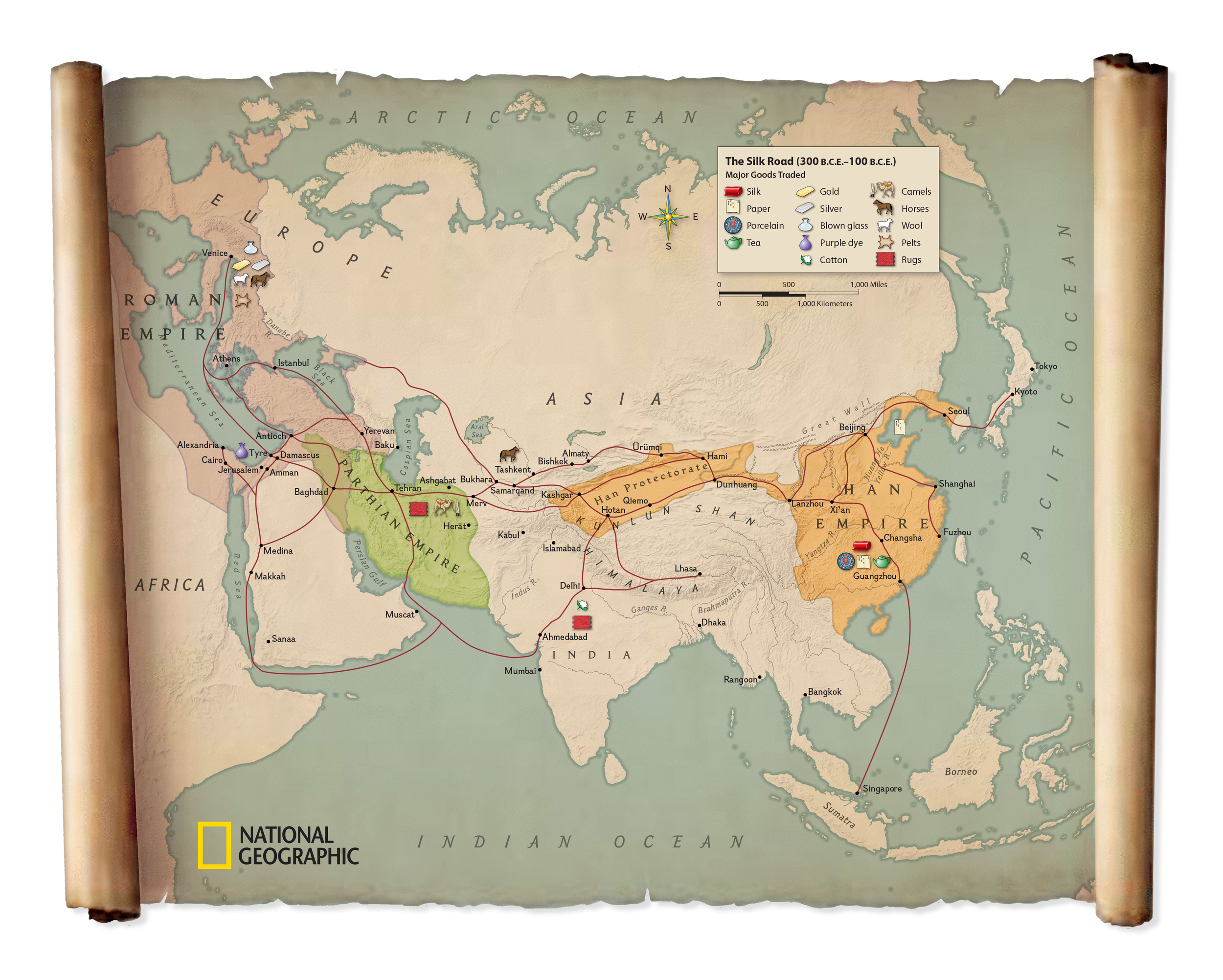
The Silk Road wasn’t a single road, but a vast network of land and sea routes linking China with Central Asia, the Middle East, and Europe. For over 1,500 years, it shaped commerce, culture, and global history.

Origins

The Silk Road began during the Han Dynasty (around 130 BCE) when China sought diplomatic relations and trade with western regions. Silk, highly valued in Rome, became the symbol of the route.

Goods That Traveled

The Silk Road enabled exchange of:

  • Silk, jade, porcelain

  • Gold, silver, horses

  • Spices, textiles, and perfumes

  • Glassware and metalwork

But the most valuable exchange was cultural.

Exchange of Ideas

The Silk Road spread:

  • Buddhism from India to China

  • Art and architecture across Asia

  • Scientific knowledge

  • Music, literature, and languages

It was the world’s earliest example of globalization.

Decline

Sea routes, political turmoil, and the rise of the Ottoman Empire gradually weakened land-based trade.

Yet the Silk Road remains a symbol of global connection and cultural exchange.
← The Terracotta Army: Guardians of the First EmperorThe Role of Astronomy in Ancient Civilizations →
Featured
image_2026-02-27_171558757.png
Feb 27, 2026
Prehistoric Toolkits That Shouldn’t Exist
Feb 27, 2026
Read More →
Feb 27, 2026
image_2026-02-27_165950329.png
Feb 27, 2026
The Oldest Evidence of Organized Sports
Feb 27, 2026
Read More →
Feb 27, 2026
image_2026-02-27_163102381.png
Feb 27, 2026
The Forgotten Woodlands Civilizations
Feb 27, 2026
Read More →
Feb 27, 2026
image_2026-02-27_161538661.png
Feb 27, 2026
The World’s First Secret Societies
Feb 27, 2026
Read More →
Feb 27, 2026
image_2026-02-27_161134911.png
Feb 27, 2026
The Lost Stone Calendars That Measured Eternity
Feb 27, 2026
Read More →
Feb 27, 2026
image_2026-02-27_154831730.png
Feb 27, 2026
Ancient Children’s Toys That Survived Millennia
Feb 27, 2026
Read More →
Feb 27, 2026
read more

Powered by The archaeologist