• MAIN PAGE
  • LATEST NEWS
    • Lost Cities
    • Archaeology's Greatest Finds
    • Underwater Discoveries
    • Greatest Inventions
    • Studies
    • Blog
  • PHILOSOPHY
  • HISTORY
  • RELIGIONS
    • Africa
    • Anatolia
    • Arabian Peninsula
    • Balkan Region
    • China - East Asia
    • Europe
    • Eurasian Steppe
    • Levant
    • Mesopotamia
    • Oceania - SE Asia
    • Pre-Columbian Civilizations of America
    • Iranian Plateau - Central Asia
    • Indus Valley - South Asia
    • Japan
    • The Archaeologist Editor Group
    • Scientific Studies
    • Aegean Prehistory
    • Historical Period
    • Byzantine Middle Ages
    • Predynastic Period
    • Dynastic Period
    • Greco-Roman Egypt
  • Rome
  • PALEONTOLOGY
  • About us
Menu

The Archaeologist

  • MAIN PAGE
  • LATEST NEWS
  • DISCOVERIES
    • Lost Cities
    • Archaeology's Greatest Finds
    • Underwater Discoveries
    • Greatest Inventions
    • Studies
    • Blog
  • PHILOSOPHY
  • HISTORY
  • RELIGIONS
  • World Civilizations
    • Africa
    • Anatolia
    • Arabian Peninsula
    • Balkan Region
    • China - East Asia
    • Europe
    • Eurasian Steppe
    • Levant
    • Mesopotamia
    • Oceania - SE Asia
    • Pre-Columbian Civilizations of America
    • Iranian Plateau - Central Asia
    • Indus Valley - South Asia
    • Japan
    • The Archaeologist Editor Group
    • Scientific Studies
  • GREECE
    • Aegean Prehistory
    • Historical Period
    • Byzantine Middle Ages
  • Egypt
    • Predynastic Period
    • Dynastic Period
    • Greco-Roman Egypt
  • Rome
  • PALEONTOLOGY
  • About us

The Lost Art of Ancient Papyrus Making in Egypt

December 9, 2025

How Egyptians Created Paper from the Papyrus Plant

Harvesting and Preparation
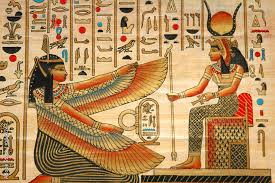
Papyrus, a reed native to the Nile Delta, was integral to Egyptian civilization. Workers harvested the tall, fibrous plant, stripping it into thin layers. These layers were laid perpendicular to each other and pressed together, forming sheets. The natural sap acted as a glue, holding the fibers intact.

Production Techniques
The sheets were pressed under heavy weights and dried under the sun. After drying, artisans polished the surface with smooth stones to create a suitable writing medium. Scribes inscribed hieroglyphics with reed brushes and ink, documenting everything from religious texts to administrative records.

Significance in Society
Papyrus revolutionized record-keeping, literature, and communication. It allowed the codification of laws, medical texts, and historical chronicles. Trade in papyrus expanded throughout the Mediterranean, highlighting Egypt’s influence and demonstrating the civilization’s mastery of natural resources for cultural and technological advancement.

← The Role of the Eagle in Ancient Roman and Native American CulturesThe Ancient Oracle of Delphi: Voice of the Gods →
Featured
image_2025-12-09_210002582.png
Dec 9, 2025
The Forgotten City of Mohenjo-Daro: The Heart of the Indus Valley
Dec 9, 2025
Read More →
Dec 9, 2025
image_2025-12-09_205828085.png
Dec 9, 2025
The Role of the Raven in Norse Mythology
Dec 9, 2025
Read More →
Dec 9, 2025
image_2025-12-09_205741655.png
Dec 9, 2025
The Ancient Inca Road System: An Engineering Marvel
Dec 9, 2025
Read More →
Dec 9, 2025
image_2025-12-09_205657000.png
Dec 9, 2025
The Role of the Sacred Cow in Ancient Hinduism
Dec 9, 2025
Read More →
Dec 9, 2025
image_2025-12-09_205014860.png
Dec 9, 2025
The Lost Civilization of the Olmecs: The First Mesoamerican Empire
Dec 9, 2025
Read More →
Dec 9, 2025
image_2025-12-09_203714830.png
Dec 9, 2025
The Role of the Black Obsidian Mirror in Ancient Shamanic Practices
Dec 9, 2025
Read More →
Dec 9, 2025
read more

Powered by The archaeologist