How the Pythia Delivered Prophecies in Ancient Greece
Origins of the Oracle
The Oracle of Delphi, located on the slopes of Mount Parnassus, was one of the most significant religious centers in ancient Greece. Dedicated to Apollo, it became a focal point where city-states and individuals sought divine guidance. The sanctuary was believed to be the center of the world, marked by the omphalos stone, symbolizing the connection between the divine and earthly realms.
The Pythia’s Role and Rituals
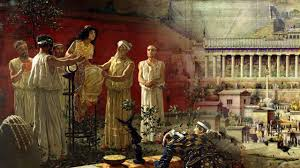
The Pythia, a priestess chosen from among local women, entered a trance-like state to deliver prophecies. Trance induction reportedly involved inhaling vapors from a fissure in the earth, combined with ritualistic prayers and purification rites. The Pythia’s utterances were often cryptic and required interpretation by temple priests, who translated them into actionable advice for kings, generals, and citizens.
Impact on Greek Society
The Oracle of Delphi influenced political, military, and social decisions across Greece. Leaders consulted it before major wars, colonization efforts, or legislative changes. Delphi was also a cultural hub, inspiring poetry, art, and philosophical thought. The oracle’s authority reinforced the idea that human actions were guided and validated by divine will.