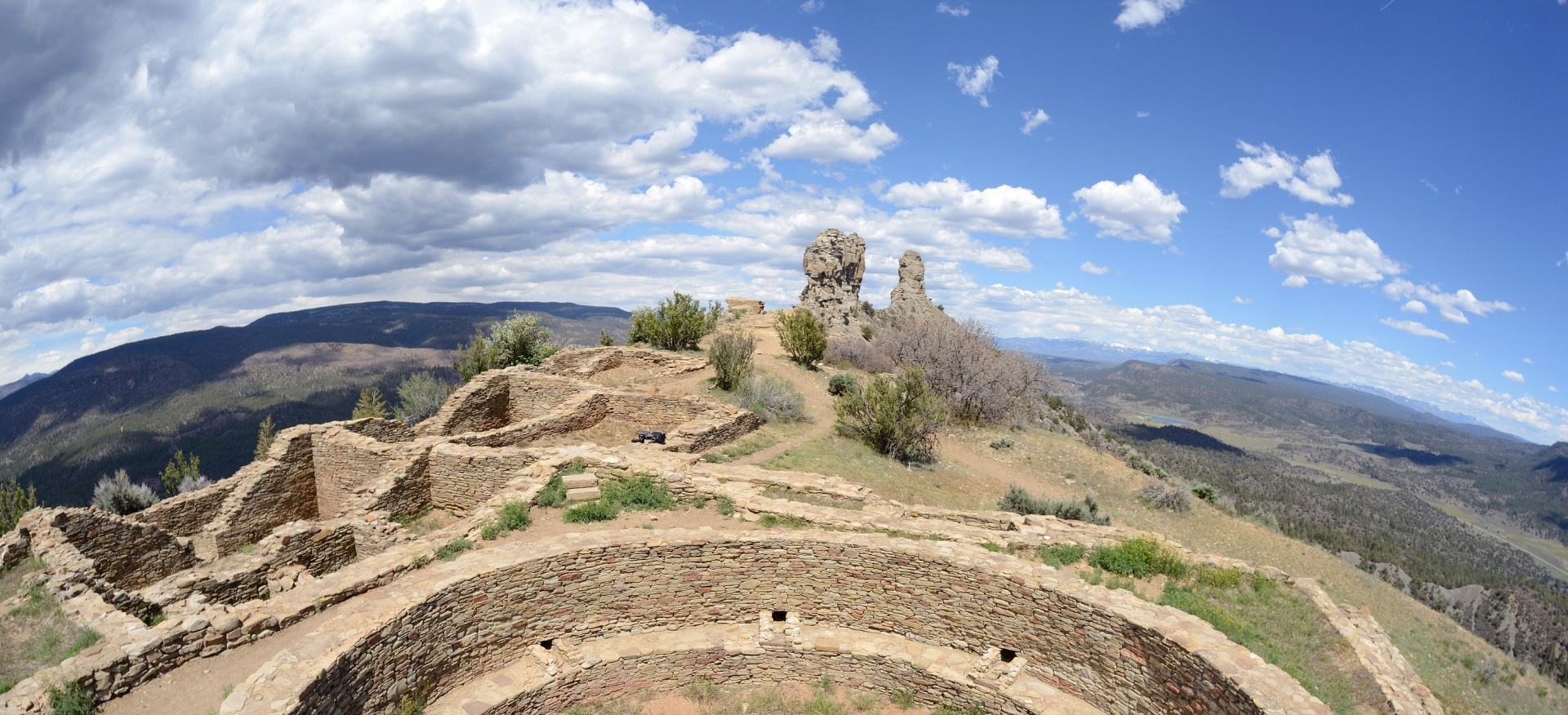
Introduction: A Tomb Lost to Time
For more than two thousand years, the location of Cleopatra VII’s tomb has remained one of the most enduring mysteries of the ancient world. Cleopatra was not only the last active ruler of the Ptolemaic Kingdom of Egypt but also one of history’s most famous political figures—renowned for her intelligence, strategic alliances, and dramatic death. Ancient sources state that she was buried alongside Mark Antony in a grand mausoleum worthy of a queen. Yet despite centuries of scholarship and modern archaeological investigation, her final resting place has never been definitively identified.
The search for Cleopatra’s tomb sits at the crossroads of history, archaeology, legend, and geology. Earthquakes, rising sea levels, urban expansion, and centuries of rebuilding have dramatically altered the ancient landscape of Egypt’s Mediterranean coast, complicating efforts to locate one of antiquity’s most sought-after burial sites.
Cleopatra VII and the End of the Ptolemaic Dynasty
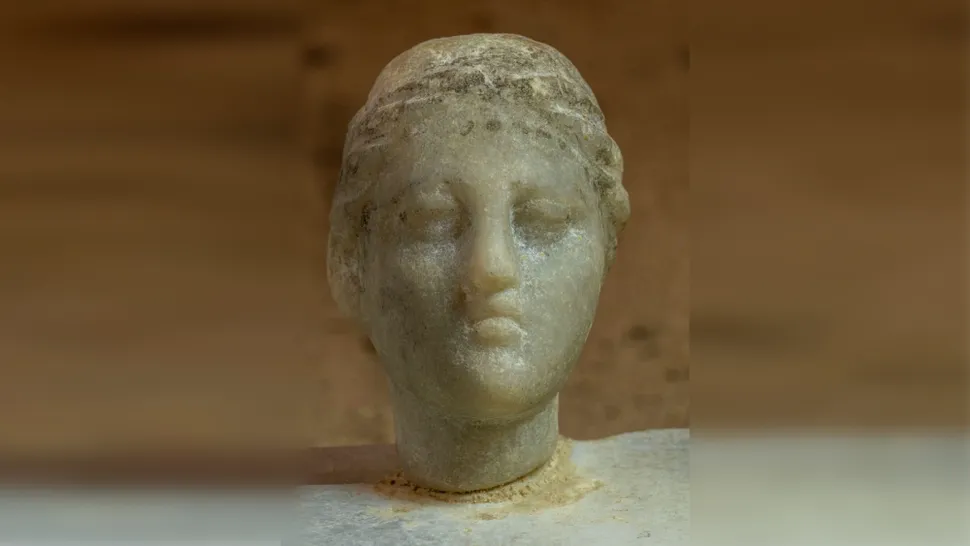
The bust shows a female wearing a diadem. It may depict Cleopatra VII, one archaeologist claims. (Image credit: Egyptian Ministry of Tourism and Antiquities)
Cleopatra VII Philopator ruled Egypt from 51 to 30 BCE during a period of intense political instability. As a member of the Greek-descended Ptolemaic dynasty, she governed an Egypt caught between its ancient traditions and the growing dominance of Rome. Through her alliances with Julius Caesar and later Mark Antony, Cleopatra attempted to preserve Egypt’s independence in the face of Roman expansion.
Her defeat came after the Battle of Actium in 31 BCE, where Octavian’s forces crushed the combined fleets of Cleopatra and Antony. The following year, Octavian invaded Egypt. Ancient writers such as Plutarch and Cassius Dio report that Mark Antony committed suicide after mistakenly believing Cleopatra was dead. Cleopatra herself died shortly afterward, traditionally believed to have taken her own life rather than submit to Roman humiliation.
According to these sources, Octavian permitted Cleopatra and Antony to be buried together, honoring her final request. The tomb, described as a grand and carefully prepared structure, was meant to secure her legacy even in defeat.
Ancient Accounts of Cleopatra’s Burial
The primary historical references to Cleopatra’s burial come from Roman-era historians writing decades or even centuries after her death. Plutarch notes that Cleopatra was buried “with Antony in splendid and royal fashion,” suggesting a tomb of considerable importance rather than a modest grave.
However, none of the surviving sources specify the tomb’s exact location. Some accounts imply proximity to Alexandria, Cleopatra’s capital and the political heart of Ptolemaic Egypt. Others suggest a religious context, potentially linking the burial to temples associated with Isis, the goddess with whom Cleopatra closely identified herself.
This lack of precise detail has allowed multiple theories to develop—each shaped by archaeology, ancient texts, and the changing geography of Egypt’s coastline.
Alexandria: Capital of Egypt, City Beneath the Sea
Alexandria was the center of Cleopatra’s power and the most obvious candidate for her tomb. Founded by Alexander the Great, the city was renowned for its royal palaces, temples, and monumental architecture. Cleopatra’s mausoleum may have stood within or near this royal quarter.
The problem lies in what happened next. Between the 4th and 14th centuries CE, Alexandria suffered multiple catastrophic earthquakes and tsunamis. Entire districts collapsed into the Mediterranean Sea. Modern underwater archaeology has revealed submerged palaces, statues, and streets—clear evidence that large portions of ancient Alexandria now lie underwater.
If Cleopatra’s tomb was located within the royal district, it may be:
buried beneath modern Alexandria,
submerged offshore,
or destroyed by seismic activity.
This possibility has led some researchers to focus on underwater excavation, while others argue that Cleopatra may have chosen a more symbolically powerful site outside the city.
Taposiris Magna: The Leading Archaeological Candidate
In recent decades, attention has increasingly shifted west of Alexandria to Taposiris Magna, a temple complex dedicated to Osiris and Isis. Excavations at the site have been led primarily by Dr. Kathleen Martinez, whose work has reignited global interest in the search for Cleopatra’s tomb.
Several factors make Taposiris Magna compelling:
Cleopatra strongly associated herself with Isis, often presenting herself as the goddess incarnate.
The temple’s religious symbolism aligns with ancient Egyptian burial traditions emphasizing rebirth and divine union.
Archaeologists have uncovered coins bearing Cleopatra’s image, statues, ceremonial objects, and a vast underground tunnel system.
The tunnels, carved deep beneath the temple complex, suggest a significant hidden structure that could potentially house a royal burial. While no definitive tomb has been found, the scale and complexity of the site continue to support the theory that a high-status individual was intended to be buried there.
Why the Tomb Has Not Been Found
Several factors explain why Cleopatra’s tomb has remained elusive:
Geological change: Earthquakes, rising sea levels, and coastal erosion have transformed the region.
Urban development: Modern Alexandria sits atop ancient layers, limiting excavation.
Political instability: Periods of conflict have historically interrupted long-term research.
Deliberate concealment: Cleopatra may have ordered her tomb hidden to prevent desecration by Rome.
Unlike pharaohs of earlier dynasties, Cleopatra ruled during a transitional period when Egyptian and Greco-Roman burial traditions overlapped. This hybrid cultural context complicates assumptions about where and how she was buried.
What the Discovery Would Mean for History
The discovery of Cleopatra’s tomb would rank among the most important archaeological finds of the modern era. Its historical impact would be profound:
Clarifying burial practices: It could reveal how late Ptolemaic rulers combined Egyptian and Greek traditions.
Material evidence: Inscriptions, artifacts, or remains could provide concrete data about Cleopatra’s lineage, appearance, and reign.
Reassessing historical narratives: Roman accounts of Cleopatra may be challenged or refined by physical evidence.
Cultural preservation: Such a discovery would draw global attention to endangered archaeological sites in Egypt.
Even fragmentary remains would reshape modern understanding of Cleopatra—not as legend, but as a historical ruler grounded in material reality.
Cleopatra Between Myth and History
Over centuries, Cleopatra has been portrayed as everything from a seductive villain to a tragic heroine. Much of this image originates from Roman propaganda designed to justify Octavian’s conquest of Egypt. Archaeology offers the chance to move beyond these narratives.
A confirmed tomb would allow historians to reassess Cleopatra as a political strategist, monarch, and cultural bridge between civilizations—rather than a symbol shaped by later empires.
Conclusion: A Mystery That Endures
The search for Cleopatra’s tomb continues to captivate historians, archaeologists, and the public alike because it represents more than a missing grave. It is the last unanswered chapter in the story of ancient Egypt’s final queen.
Whether hidden beneath modern Alexandria, submerged under the Mediterranean, or concealed within a temple complex like Taposiris Magna, Cleopatra’s tomb remains a powerful reminder of how history can vanish—and how archaeology can bring it back. Until definitive evidence emerges, the mystery endures, suspended between legend and science.
FAQ
Was Cleopatra really buried with Mark Antony?
Ancient sources state that Cleopatra and Mark Antony were buried together, but the location of their shared tomb has never been confirmed.
Why is Taposiris Magna considered important?
Because of its religious symbolism, underground structures, and artifacts linked to Cleopatra’s reign, suggesting a possible royal connection.
Could Cleopatra’s tomb be underwater?
Yes. Large portions of ancient Alexandria are now submerged due to earthquakes and rising sea levels.
Has any physical evidence of the tomb been found?
No definitive tomb has been discovered, but ongoing excavations continue to produce promising clues.
Sources & References
Plutarch, Lives – Antony
Cassius Dio, Roman History
UNESCO – Submerged Ancient Alexandria
https://whc.unesco.org/en/activities/48/Egyptian Ministry of Tourism and Antiquities – Taposiris Magna Excavations
https://egymonuments.gov.egNational Geographic – Search for Cleopatra’s Tomb
https://www.nationalgeographic.com/history/Britannica – Cleopatra VII
https://www.britannica.com/biography/Cleopatra-queen-of-Egypt