Introduction: Building Connections Before the Modern World
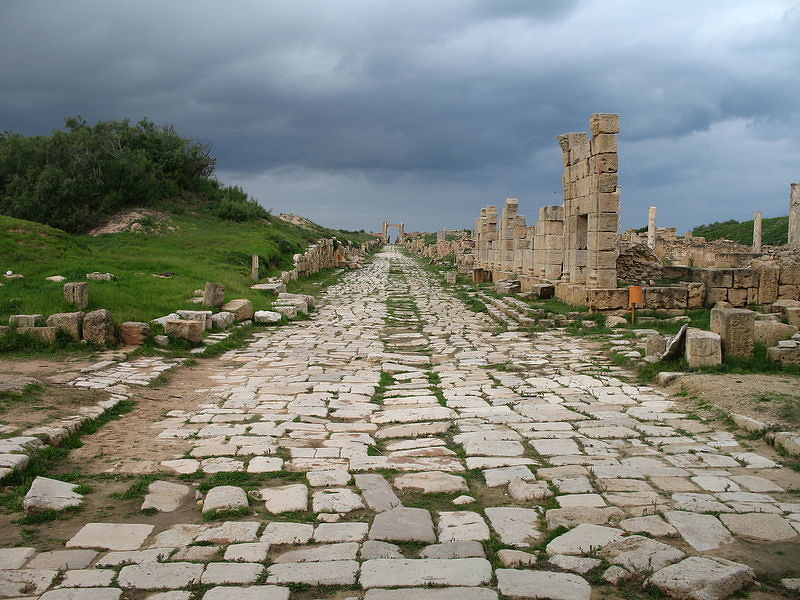
Throughout history, civilizations have demonstrated extraordinary ingenuity in the construction of roads and bridges—structures that made large-scale states, long-distance trade, and cultural exchange possible. Long before modern machinery, ancient engineers mastered stone, terrain, and geometry to create infrastructure that endured for centuries.
From the disciplined precision of Roman roadbuilding to the vast administrative highways of Persia and the elegant stone bridges of China, ancient transportation networks laid the foundations of the connected world. Many of these roads and bridges not only transformed their societies but continue to influence modern engineering principles today.
Roman Roads: The Backbone of an Empire
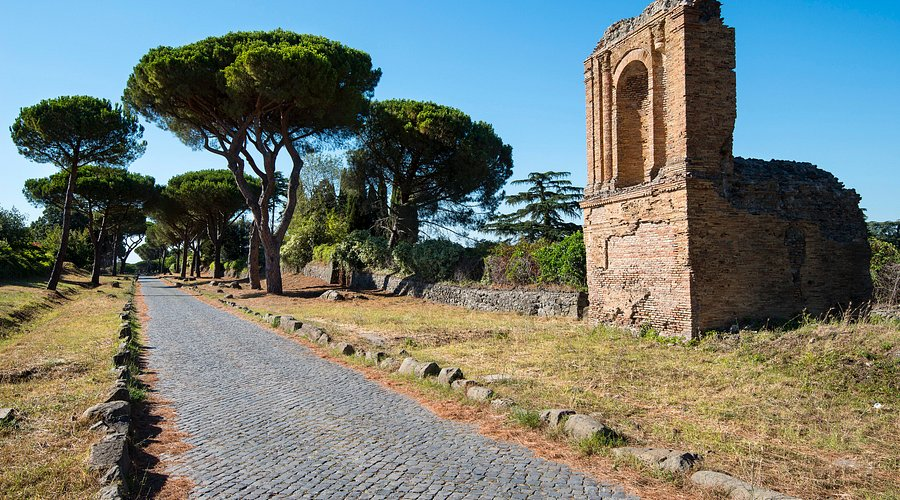
No ancient civilization matched Rome in the scale and durability of its road network. At its height, the Roman Empire maintained more than 400,000 kilometers of roads, with over 80,000 kilometers paved with stone. These roads bound together territories stretching from Britain to Mesopotamia.
Engineering and Construction Techniques
Roman roads were engineered for longevity rather than speed of construction. A typical Roman road consisted of multiple layers:
Statumen: a foundation of large stones
Rudus: crushed stone mixed with lime
Nucleus: compacted sand and gravel
Summum dorsum: large paving stones fitted tightly together
This layered system allowed roads to withstand heavy military traffic, weather, and centuries of use.
The Via Appia (Appian Way)
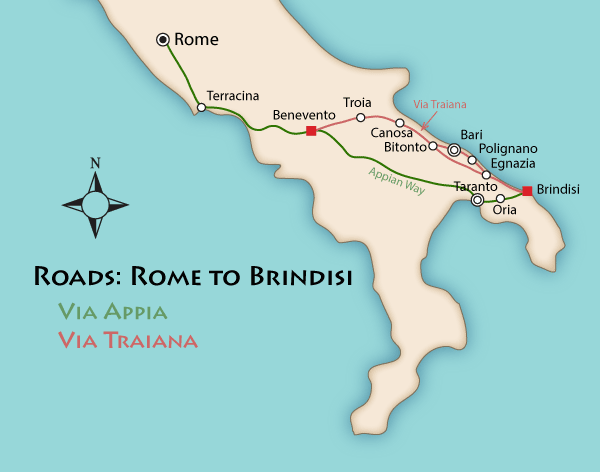
Built in 312 BCE, the Via Appia connected Rome to southern Italy and later extended to the port of Brundisium. It was one of the most strategically important roads in the Roman world, enabling rapid troop movements and secure supply lines.
Roman roads were also instruments of cultural integration. Along them traveled merchants, officials, messengers, religious ideas, languages, and laws. The phrase “All roads lead to Rome” reflects not poetry, but administrative reality.
Persian Highways: The Royal Road of the Achaemenid Empire
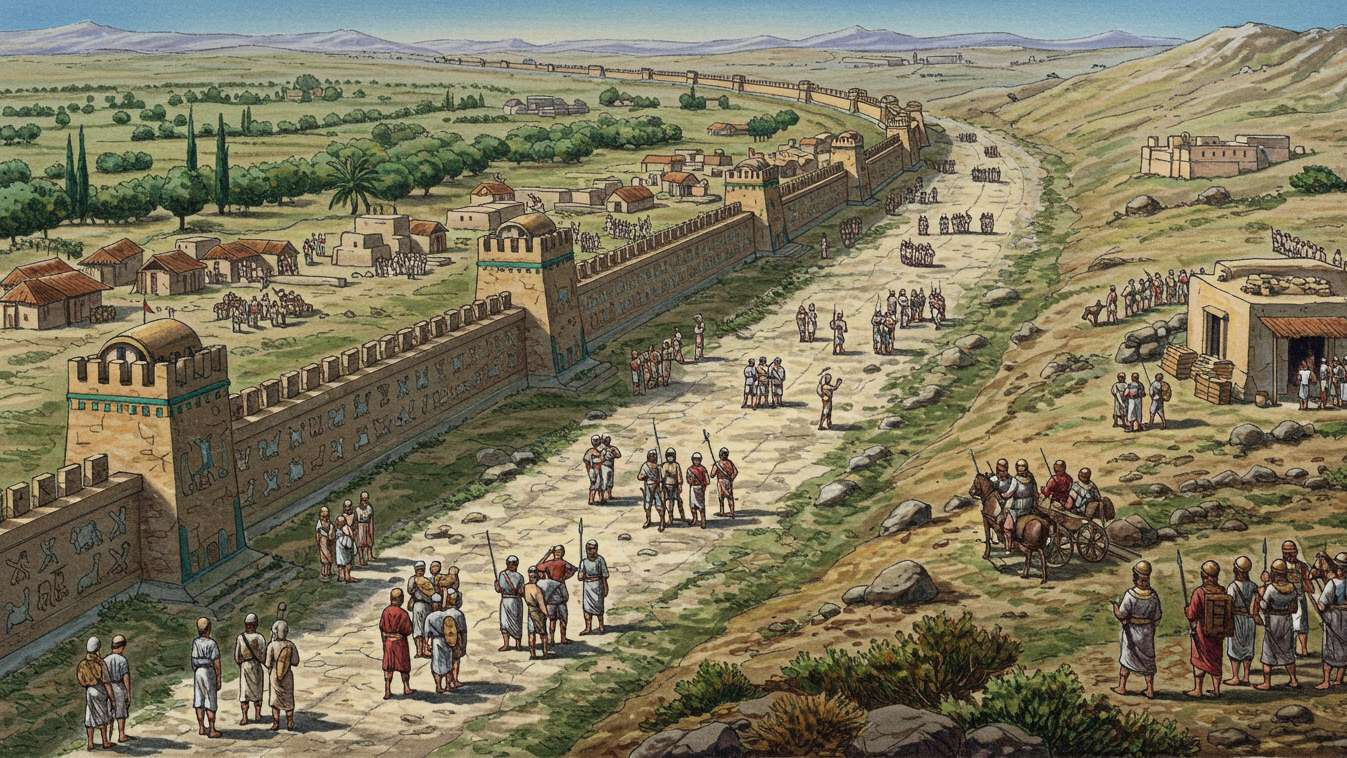
Centuries before Rome reached its peak, the Achaemenid Empire created one of the first true imperial road systems. Under King Darius I (r. 522–486 BCE), Persia connected its vast territories through a network of maintained highways.
The Royal Road
The most famous of these was the Royal Road, stretching approximately 2,700 kilometers from Sardis in Anatolia to Susa, one of the empire’s capitals.
Key features included:
Relay stations placed at regular intervals
Fresh horses and supplies for messengers
Guarded segments to ensure safety
Herodotus famously noted that Persian couriers could travel the length of the road in days rather than months—an unprecedented achievement in ancient logistics.
Administrative Power Through Infrastructure
The Royal Road was less about trade than control and communication. It allowed imperial decrees, tax records, and military orders to move rapidly across three continents. In this sense, Persian roads were an early form of state bureaucracy made physical.
Ancient Bridges: Engineering Over Nature
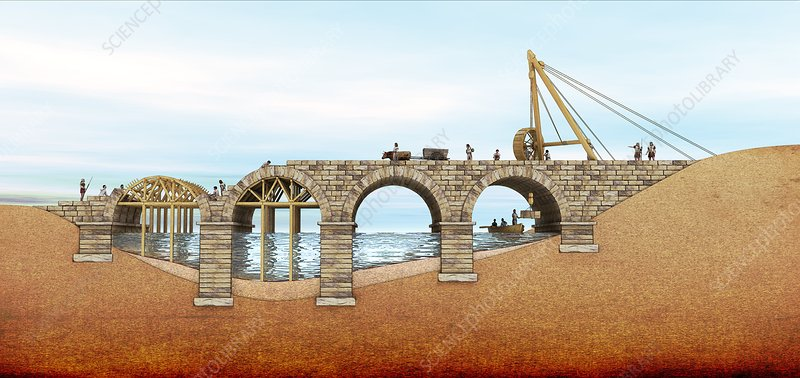
Bridges represented an even greater engineering challenge than roads. They required precise calculations, durable materials, and an understanding of forces—often without written mathematics. Several ancient bridges remain among the most impressive structures ever built.
The Alcántara Bridge (Spain): Roman Mastery in Stone
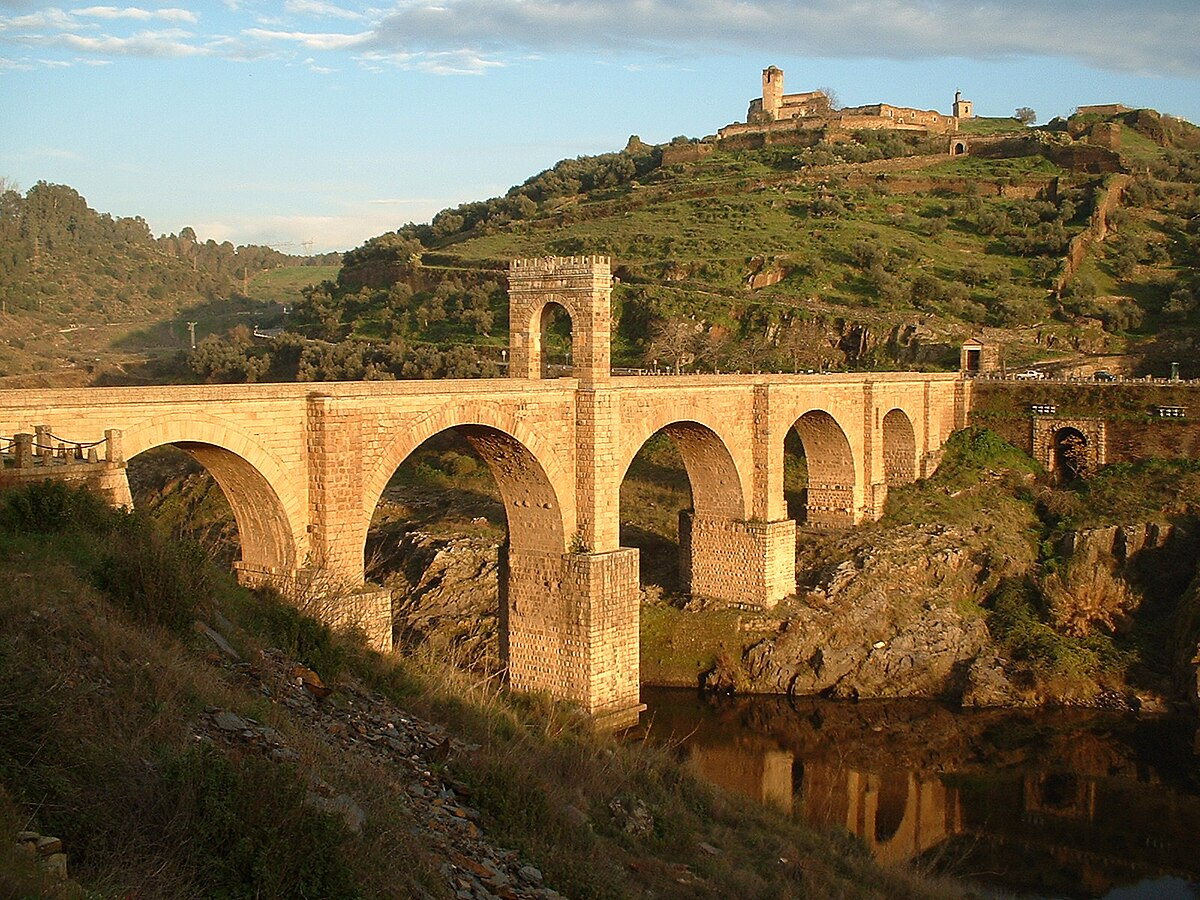
Constructed in 106 CE under Emperor Trajan, the Alcántara Bridge spans the Tagus River in western Spain. Built entirely of granite and without mortar, it relies on perfectly cut stone blocks and the strength of the Roman arch.
Key features:
Six massive arches
A height of nearly 50 meters
A central triumphal arch dedicated to Trajan
Despite wars, floods, and partial destruction, the bridge still stands nearly intact—proof of Roman engineering precision.
The Caravan Bridge (Turkey): A Survivor from the Bronze Age
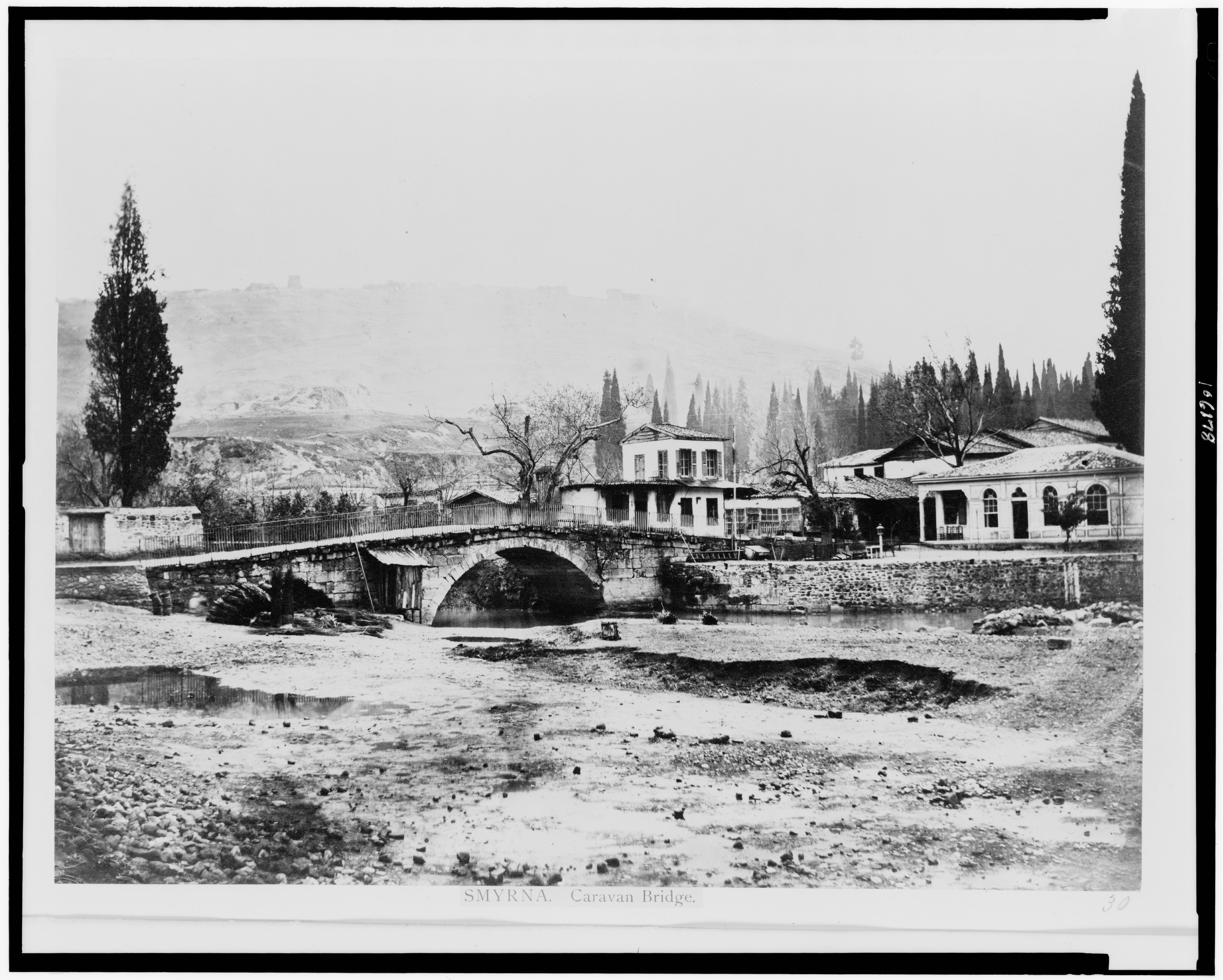
Located near İzmir, the Caravan Bridge dates to approximately 850 BCE, making it one of the oldest bridges still in use. Built from stone blocks, it formed part of an ancient trade route used by merchants and caravans moving goods across Anatolia.
Its survival illustrates a recurring pattern in ancient infrastructure: simplicity combined with durability often outlasts complexity.
The Zhaozhou Bridge (China): Innovation Through Elegance
Completed in 605 CE during the Sui Dynasty, the Zhaozhou Bridge is the world’s oldest known open-spandrel segmental arch bridge. Unlike semicircular Roman arches, its flatter curve reduced material weight while maintaining strength.
Innovations included:
Open spandrels to reduce load
A shallow arch allowing floodwater to pass
Precise stone cutting without mortar
This design influenced bridge construction in East Asia for centuries and foreshadowed modern arch engineering.
Roads, Bridges, and Empire
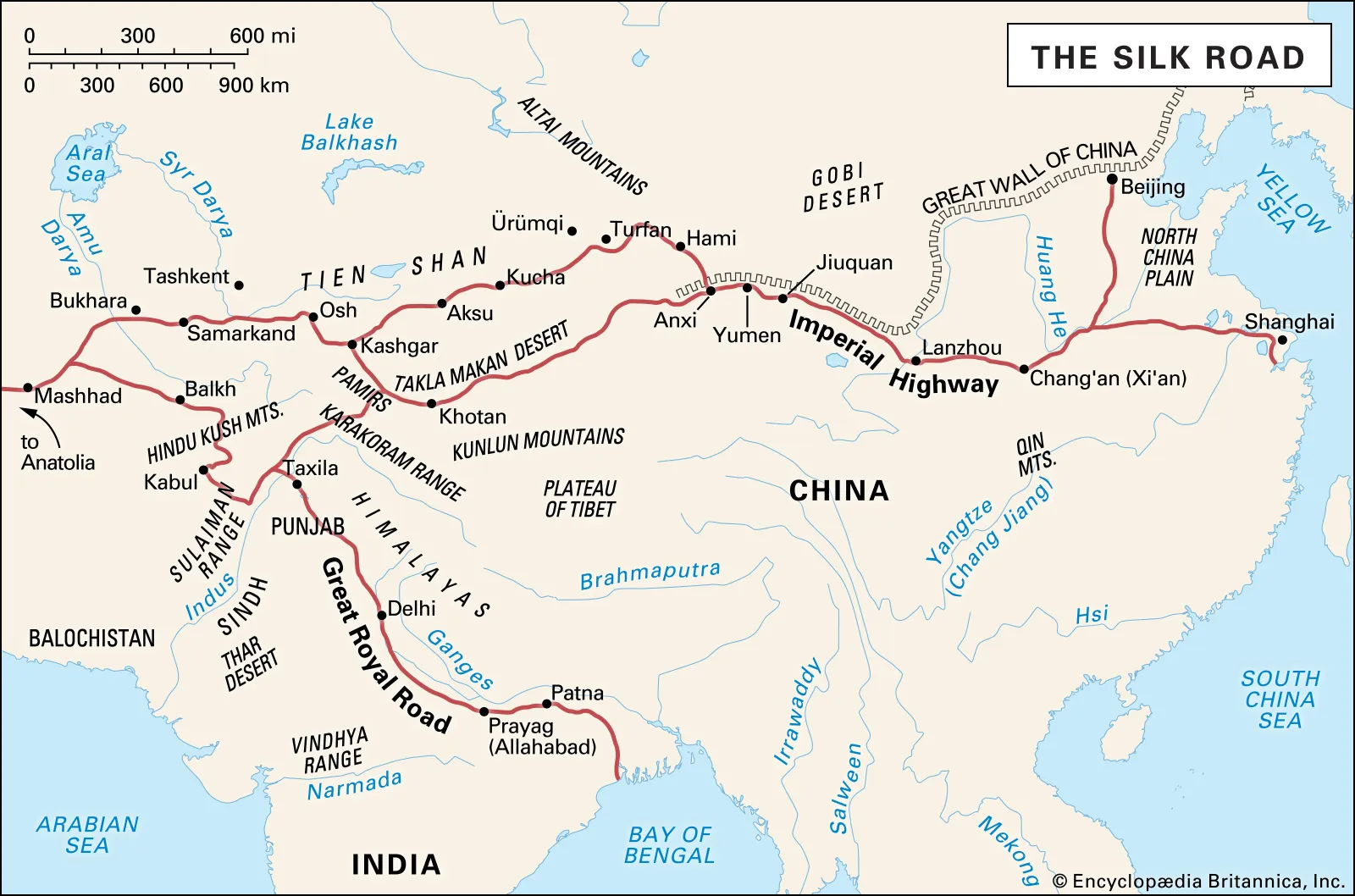
Across civilizations, roads and bridges served three fundamental purposes:
Military mobility: rapid troop deployment and supply
Economic integration: movement of goods and taxation
Cultural exchange: spread of ideas, religions, and technology
Empires that invested in infrastructure could govern larger territories for longer periods. When roads decayed, control often followed.
Lasting Influence on the Modern World
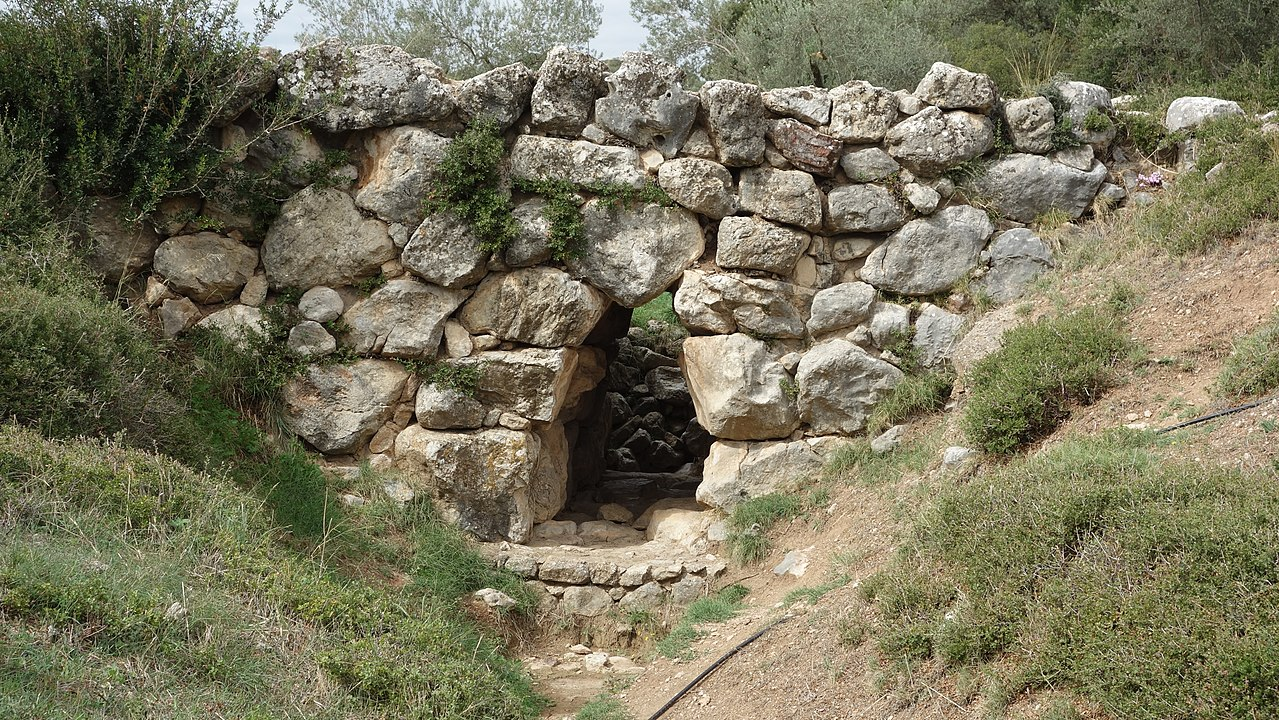
Many modern highways still follow ancient routes laid down by Roman or Persian engineers. The principles they developed—graded roads, durable foundations, arches distributing weight—remain central to civil engineering today.
These structures remind us that technological progress is not always linear. In many cases, ancient builders achieved solutions that modern societies continue to admire, study, and replicate.
Conclusion: Engineering as Civilization’s Skeleton

Ancient roads and bridges were more than stone and mortar. They were instruments of power, symbols of order, and conduits of human connection. Through disciplined engineering and practical innovation, ancient civilizations shaped landscapes—and history itself.
The connected world we inhabit today rests on foundations laid thousands of years ago. In stone roads worn smooth by sandals and wheels, and in bridges that still span rivers long after their builders are gone, the ingenuity of ancient engineers continues to endure.
Sources & References
Encyclopaedia Britannica – Roman Roads
https://www.britannica.com/technology/Roman-roadEncyclopaedia Britannica – Royal Road of Persia
https://www.britannica.com/topic/Royal-RoadUNESCO World Heritage Centre – Alcántara Bridge
https://whc.unesco.orgNational Geographic – Ancient Roads and Engineering
https://www.nationalgeographic.com/historyChina Institute – Zhaozhou Bridge History
https://chinainstitute.orgSmithsonian Magazine – Ancient Infrastructure
https://www.smithsonianmag.com