• MAIN PAGE
  • LATEST NEWS
    • Lost Cities
    • Archaeology's Greatest Finds
    • Underwater Discoveries
    • Greatest Inventions
    • Studies
    • Blog
  • PHILOSOPHY
  • HISTORY
  • RELIGIONS
    • Africa
    • Anatolia
    • Arabian Peninsula
    • Balkan Region
    • China - East Asia
    • Europe
    • Eurasian Steppe
    • Levant
    • Mesopotamia
    • Oceania - SE Asia
    • Pre-Columbian Civilizations of America
    • Iranian Plateau - Central Asia
    • Indus Valley - South Asia
    • Japan
    • The Archaeologist Editor Group
    • Scientific Studies
    • Aegean Prehistory
    • Historical Period
    • Byzantine Middle Ages
    • Predynastic Period
    • Dynastic Period
    • Greco-Roman Egypt
  • Rome
  • PALEONTOLOGY
  • About us
Menu

The Archaeologist

  • MAIN PAGE
  • LATEST NEWS
  • DISCOVERIES
    • Lost Cities
    • Archaeology's Greatest Finds
    • Underwater Discoveries
    • Greatest Inventions
    • Studies
    • Blog
  • PHILOSOPHY
  • HISTORY
  • RELIGIONS
  • World Civilizations
    • Africa
    • Anatolia
    • Arabian Peninsula
    • Balkan Region
    • China - East Asia
    • Europe
    • Eurasian Steppe
    • Levant
    • Mesopotamia
    • Oceania - SE Asia
    • Pre-Columbian Civilizations of America
    • Iranian Plateau - Central Asia
    • Indus Valley - South Asia
    • Japan
    • The Archaeologist Editor Group
    • Scientific Studies
  • GREECE
    • Aegean Prehistory
    • Historical Period
    • Byzantine Middle Ages
  • Egypt
    • Predynastic Period
    • Dynastic Period
    • Greco-Roman Egypt
  • Rome
  • PALEONTOLOGY
  • About us

The Minoan Snake Goddess: Power and Fertility

December 10, 2025

Symbolism and Worship in Ancient Crete

Origins and Discovery
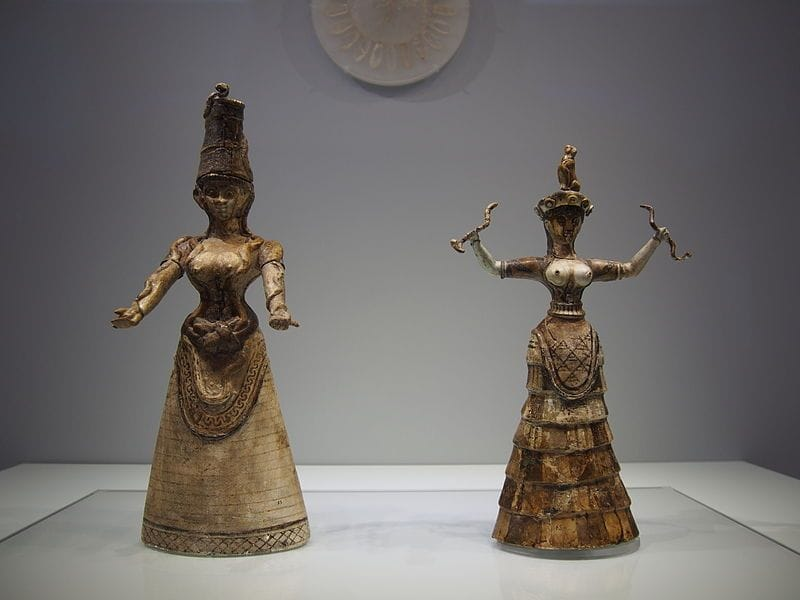
Minoan snake goddess figurines, dating to around 1600 BCE, were discovered at the palace of Knossos. They depict women holding snakes, symbolizing power, protection, and the cycle of life.

Spiritual and Cultural Significance
Snakes were associated with fertility, regeneration, and chthonic deities. The goddess likely represented household protection, agricultural abundance, and divine authority over life and death.

Ritual and Worship
The figurines suggest participation in domestic and ceremonial cults, where rituals involved offerings, dance, and invocations to maintain balance and prosperity.

Legacy
These figurines highlight the Minoans’ religious creativity, emphasizing feminine divinity and the symbolic relationship between humans, animals, and the supernatural.


← The Ancient Boomerangs of Aboriginal AustraliaThe Sacred Role of Honey in Ancient Civilizations →
Featured
image_2025-12-11_012445697.png
Dec 10, 2025
The Mythical Land of Hyperborea
Dec 10, 2025
Read More →
Dec 10, 2025
image_2025-12-11_012051907.png
Dec 10, 2025
The Ancient Boomerangs of Aboriginal Australia
Dec 10, 2025
Read More →
Dec 10, 2025
image_2025-12-11_012001576.png
Dec 10, 2025
The Minoan Snake Goddess: Power and Fertility
Dec 10, 2025
Read More →
Dec 10, 2025
image_2025-12-11_011135742.png
Dec 10, 2025
The Sacred Role of Honey in Ancient Civilizations
Dec 10, 2025
Read More →
Dec 10, 2025
image_2025-12-11_011057052.png
Dec 10, 2025
The Astronomical Precision of Stonehenge
Dec 10, 2025
Read More →
Dec 10, 2025
image_2025-12-11_010947156.png
Dec 10, 2025
The Forgotten City of Hattusa: Capital of the Hittite Empire
Dec 10, 2025
Read More →
Dec 10, 2025
read more

Powered by The archaeologist