• MAIN PAGE
  • LATEST NEWS
    • Lost Cities
    • Archaeology's Greatest Finds
    • Underwater Discoveries
    • Greatest Inventions
    • Studies
    • Blog
  • PHILOSOPHY
  • HISTORY
  • RELIGIONS
    • Africa
    • Anatolia
    • Arabian Peninsula
    • Balkan Region
    • China - East Asia
    • Europe
    • Eurasian Steppe
    • Levant
    • Mesopotamia
    • Oceania - SE Asia
    • Pre-Columbian Civilizations of America
    • Iranian Plateau - Central Asia
    • Indus Valley - South Asia
    • Japan
    • The Archaeologist Editor Group
    • Scientific Studies
    • Aegean Prehistory
    • Historical Period
    • Byzantine Middle Ages
    • Predynastic Period
    • Dynastic Period
    • Greco-Roman Egypt
  • Rome
  • PALEONTOLOGY
  • About us
Menu

The Archaeologist

  • MAIN PAGE
  • LATEST NEWS
  • DISCOVERIES
    • Lost Cities
    • Archaeology's Greatest Finds
    • Underwater Discoveries
    • Greatest Inventions
    • Studies
    • Blog
  • PHILOSOPHY
  • HISTORY
  • RELIGIONS
  • World Civilizations
    • Africa
    • Anatolia
    • Arabian Peninsula
    • Balkan Region
    • China - East Asia
    • Europe
    • Eurasian Steppe
    • Levant
    • Mesopotamia
    • Oceania - SE Asia
    • Pre-Columbian Civilizations of America
    • Iranian Plateau - Central Asia
    • Indus Valley - South Asia
    • Japan
    • The Archaeologist Editor Group
    • Scientific Studies
  • GREECE
    • Aegean Prehistory
    • Historical Period
    • Byzantine Middle Ages
  • Egypt
    • Predynastic Period
    • Dynastic Period
    • Greco-Roman Egypt
  • Rome
  • PALEONTOLOGY
  • About us

The Sacred Role of Honey in Ancient Civilizations

December 10, 2025

Medicine, Offerings, and Embalming

Historical Context
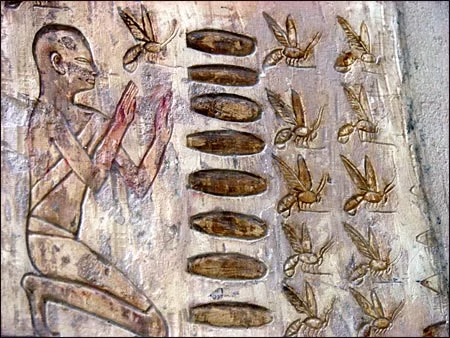
Honey was highly valued across ancient Egypt, Greece, and Mesopotamia for its sweetness, preservative qualities, and medicinal properties. It was considered a gift from the gods and used in rituals, medicine, and food.

Medicinal and Healing Uses
Honey was applied to wounds, mixed with herbs, and consumed to treat ailments like infections, digestive issues, and fevers. Its antibacterial properties made it a critical component in early medical practices.

Religious and Ceremonial Importance
Honey was offered to gods during temple rituals and incorporated into libations and sacred meals. In Egypt, it was sometimes used in embalming to preserve bodies, symbolizing immortality and divine protection.

Cultural Legacy
Honey’s symbolic and practical uses demonstrate how ancient peoples integrated natural resources into spiritual, medicinal, and social life, reflecting their understanding of the environment and divine symbolism.


← The Minoan Snake Goddess: Power and FertilityThe Astronomical Precision of Stonehenge →
Featured
image_2025-12-11_012445697.png
Dec 10, 2025
The Mythical Land of Hyperborea
Dec 10, 2025
Read More →
Dec 10, 2025
image_2025-12-11_012051907.png
Dec 10, 2025
The Ancient Boomerangs of Aboriginal Australia
Dec 10, 2025
Read More →
Dec 10, 2025
image_2025-12-11_012001576.png
Dec 10, 2025
The Minoan Snake Goddess: Power and Fertility
Dec 10, 2025
Read More →
Dec 10, 2025
image_2025-12-11_011135742.png
Dec 10, 2025
The Sacred Role of Honey in Ancient Civilizations
Dec 10, 2025
Read More →
Dec 10, 2025
image_2025-12-11_011057052.png
Dec 10, 2025
The Astronomical Precision of Stonehenge
Dec 10, 2025
Read More →
Dec 10, 2025
image_2025-12-11_010947156.png
Dec 10, 2025
The Forgotten City of Hattusa: Capital of the Hittite Empire
Dec 10, 2025
Read More →
Dec 10, 2025
read more

Powered by The archaeologist