• MAIN PAGE
  • LATEST NEWS
    • Lost Cities
    • Archaeology's Greatest Finds
    • Underwater Discoveries
    • Greatest Inventions
    • Studies
    • Blog
  • PHILOSOPHY
  • HISTORY
  • RELIGIONS
    • Africa
    • Anatolia
    • Arabian Peninsula
    • Balkan Region
    • China - East Asia
    • Europe
    • Eurasian Steppe
    • Levant
    • Mesopotamia
    • Oceania - SE Asia
    • Pre-Columbian Civilizations of America
    • Iranian Plateau - Central Asia
    • Indus Valley - South Asia
    • Japan
    • The Archaeologist Editor Group
    • Scientific Studies
    • Aegean Prehistory
    • Historical Period
    • Byzantine Middle Ages
    • Predynastic Period
    • Dynastic Period
    • Greco-Roman Egypt
  • Rome
  • PALEONTOLOGY
  • About us
Menu

The Archaeologist

  • MAIN PAGE
  • LATEST NEWS
  • DISCOVERIES
    • Lost Cities
    • Archaeology's Greatest Finds
    • Underwater Discoveries
    • Greatest Inventions
    • Studies
    • Blog
  • PHILOSOPHY
  • HISTORY
  • RELIGIONS
  • World Civilizations
    • Africa
    • Anatolia
    • Arabian Peninsula
    • Balkan Region
    • China - East Asia
    • Europe
    • Eurasian Steppe
    • Levant
    • Mesopotamia
    • Oceania - SE Asia
    • Pre-Columbian Civilizations of America
    • Iranian Plateau - Central Asia
    • Indus Valley - South Asia
    • Japan
    • The Archaeologist Editor Group
    • Scientific Studies
  • GREECE
    • Aegean Prehistory
    • Historical Period
    • Byzantine Middle Ages
  • Egypt
    • Predynastic Period
    • Dynastic Period
    • Greco-Roman Egypt
  • Rome
  • PALEONTOLOGY
  • About us

The Rituals of Death and Rebirth in Ancient Egypt

December 9, 2025

The Journey of the Soul Through the Underworld and the Book of the Dead

Concepts of the Afterlife
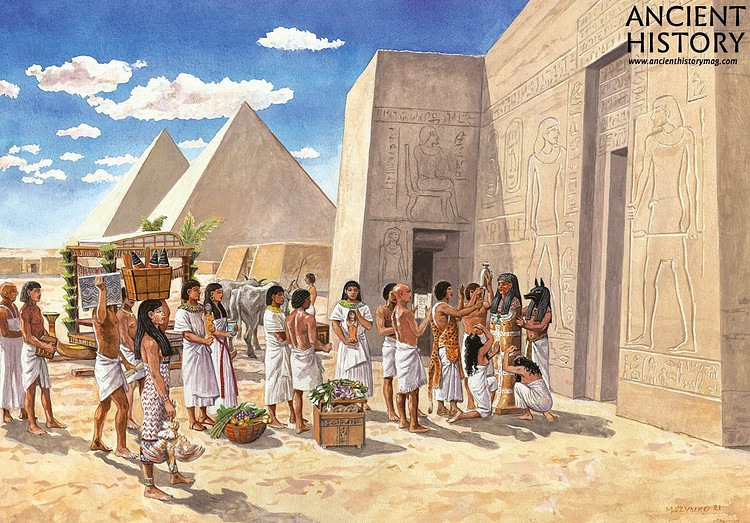
Egyptians believed that the soul (ka) continued after death and needed protection to reach eternal life. Spiritual success depended on proper burial rites and moral conduct.

The Book of the Dead
This compilation of spells, prayers, and illustrations guided the deceased through the underworld, protecting them from demons and enabling passage past Osiris. Texts included instructions for navigating trials, invoking gods, and achieving resurrection.

Funerary Practices
Mummification, tomb construction, and grave goods reflected beliefs in immortality. Artworks depicted daily life and divine encounters, ensuring the deceased’s comfort and spiritual readiness.

Cultural and Social Importance
Death rituals reinforced societal hierarchies, religious values, and family lineage. They also shaped monumental architecture, writing systems, and religious philosophy, leaving a lasting legacy in art and literature.

← The Mysterious Lines of Nazca in PeruThe Ancient Science of Astronomy in Babylon →
Featured
image_2025-12-09_210002582.png
Dec 9, 2025
The Forgotten City of Mohenjo-Daro: The Heart of the Indus Valley
Dec 9, 2025
Read More →
Dec 9, 2025
image_2025-12-09_205828085.png
Dec 9, 2025
The Role of the Raven in Norse Mythology
Dec 9, 2025
Read More →
Dec 9, 2025
image_2025-12-09_205741655.png
Dec 9, 2025
The Ancient Inca Road System: An Engineering Marvel
Dec 9, 2025
Read More →
Dec 9, 2025
image_2025-12-09_205657000.png
Dec 9, 2025
The Role of the Sacred Cow in Ancient Hinduism
Dec 9, 2025
Read More →
Dec 9, 2025
image_2025-12-09_205014860.png
Dec 9, 2025
The Lost Civilization of the Olmecs: The First Mesoamerican Empire
Dec 9, 2025
Read More →
Dec 9, 2025
image_2025-12-09_203714830.png
Dec 9, 2025
The Role of the Black Obsidian Mirror in Ancient Shamanic Practices
Dec 9, 2025
Read More →
Dec 9, 2025
read more

Powered by The archaeologist