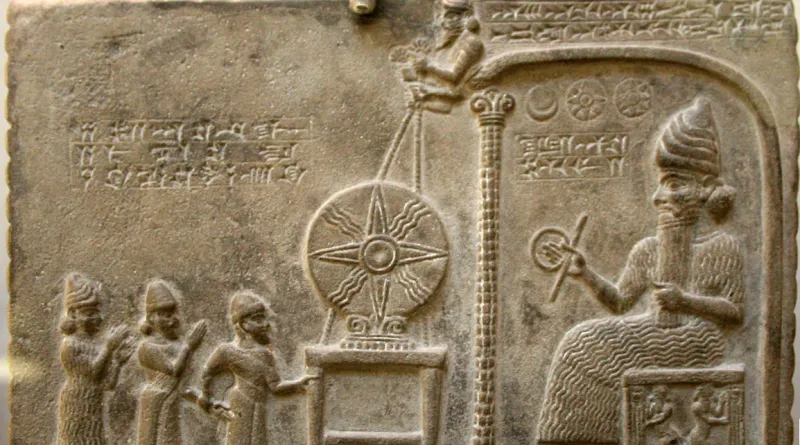
How the Babylonians Tracked the Stars and Planets
Methods of Observation
Babylonian astronomers meticulously recorded celestial movements using sighting instruments and star charts. They noted the cycles of planets, eclipses, and lunar phases with impressive accuracy.
Mathematical Innovations
The Babylonians applied mathematical models to predict astronomical events. Their observations were compiled in cuneiform tablets, demonstrating early knowledge of cycles and periodicity, which influenced Greek and later Islamic astronomy.
Applications in Society
Astronomy guided agricultural calendars, religious festivals, and political planning. Celestial omens were interpreted as divine messages, affecting decisions on warfare, trade, and governance. Babylonian astronomy bridged scientific observation with spiritual significance.