Music was central to religious life in ancient civilizations, enhancing rituals, invoking deities, and unifying communities. Instruments, chants, and rhythmic patterns carried spiritual significance across cultures.
In Ancient Egypt and Mesopotamia
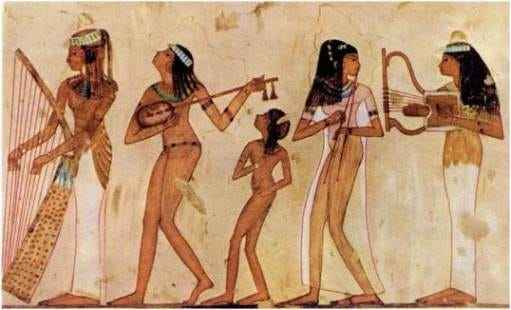
Egyptians used lyres, flutes, and percussion in temple ceremonies, often to accompany hymns and offerings. In Mesopotamia, harps and drums were used to honor gods and signal festivals, blending sound with sacred narrative.
Greek and Roman Rituals
In Greece, music accompanied sacrifices, theatrical performances, and festivals like the Eleusinian Mysteries. Romans incorporated music in public ceremonies, processions, and funerals, using sound to convey reverence and communal identity.
Spiritual and Social Impact
Music not only pleased the gods but also structured rituals, creating shared experiences and reinforcing social cohesion. Its role in religious ceremonies demonstrates the interplay between art, spirituality, and cultural expression.