• MAIN PAGE
  • LATEST NEWS
    • Lost Cities
    • Archaeology's Greatest Finds
    • Underwater Discoveries
    • Greatest Inventions
    • Studies
    • Blog
  • PHILOSOPHY
  • HISTORY
  • RELIGIONS
    • Africa
    • Anatolia
    • Arabian Peninsula
    • Balkan Region
    • China - East Asia
    • Europe
    • Eurasian Steppe
    • Levant
    • Mesopotamia
    • Oceania - SE Asia
    • Pre-Columbian Civilizations of America
    • Iranian Plateau - Central Asia
    • Indus Valley - South Asia
    • Japan
    • The Archaeologist Editor Group
    • Scientific Studies
    • Aegean Prehistory
    • Historical Period
    • Byzantine Middle Ages
    • Predynastic Period
    • Dynastic Period
    • Greco-Roman Egypt
  • Rome
  • PALEONTOLOGY
  • About us
Menu

The Archaeologist

  • MAIN PAGE
  • LATEST NEWS
  • DISCOVERIES
    • Lost Cities
    • Archaeology's Greatest Finds
    • Underwater Discoveries
    • Greatest Inventions
    • Studies
    • Blog
  • PHILOSOPHY
  • HISTORY
  • RELIGIONS
  • World Civilizations
    • Africa
    • Anatolia
    • Arabian Peninsula
    • Balkan Region
    • China - East Asia
    • Europe
    • Eurasian Steppe
    • Levant
    • Mesopotamia
    • Oceania - SE Asia
    • Pre-Columbian Civilizations of America
    • Iranian Plateau - Central Asia
    • Indus Valley - South Asia
    • Japan
    • The Archaeologist Editor Group
    • Scientific Studies
  • GREECE
    • Aegean Prehistory
    • Historical Period
    • Byzantine Middle Ages
  • Egypt
    • Predynastic Period
    • Dynastic Period
    • Greco-Roman Egypt
  • Rome
  • PALEONTOLOGY
  • About us

The Role of the Elephant in Ancient Indian and African Cultures

December 9, 2025

Elephants in Hindu Mythology and Spiritual Practice

Elephants are deeply sacred in India, associated with wisdom, protection, and divine power. The god Ganesha, with his elephant head, is worshipped as remover of obstacles and patron of learning. Elephants frequently appeared in temple festivals, royal ceremonies, and mythological stories involving cosmic battles and blessings. Their gentle strength symbolized emotional stability, prosperity, and moral purity.

Elephants in African Cultural and Ritual Traditions

Across Africa, elephants symbolize leadership, community strength, patience, and ancestral wisdom. Many tribes believed elephants carried the spirits of elders or served as guides between the living and the spiritual world. Ritual masks and ceremonies often featured elephant motifs to invoke protection, fertility, and unity. Because elephants shaped the landscape, they were respected as guardians of natural balance.

Royal Power, Warfare, and Social Identity

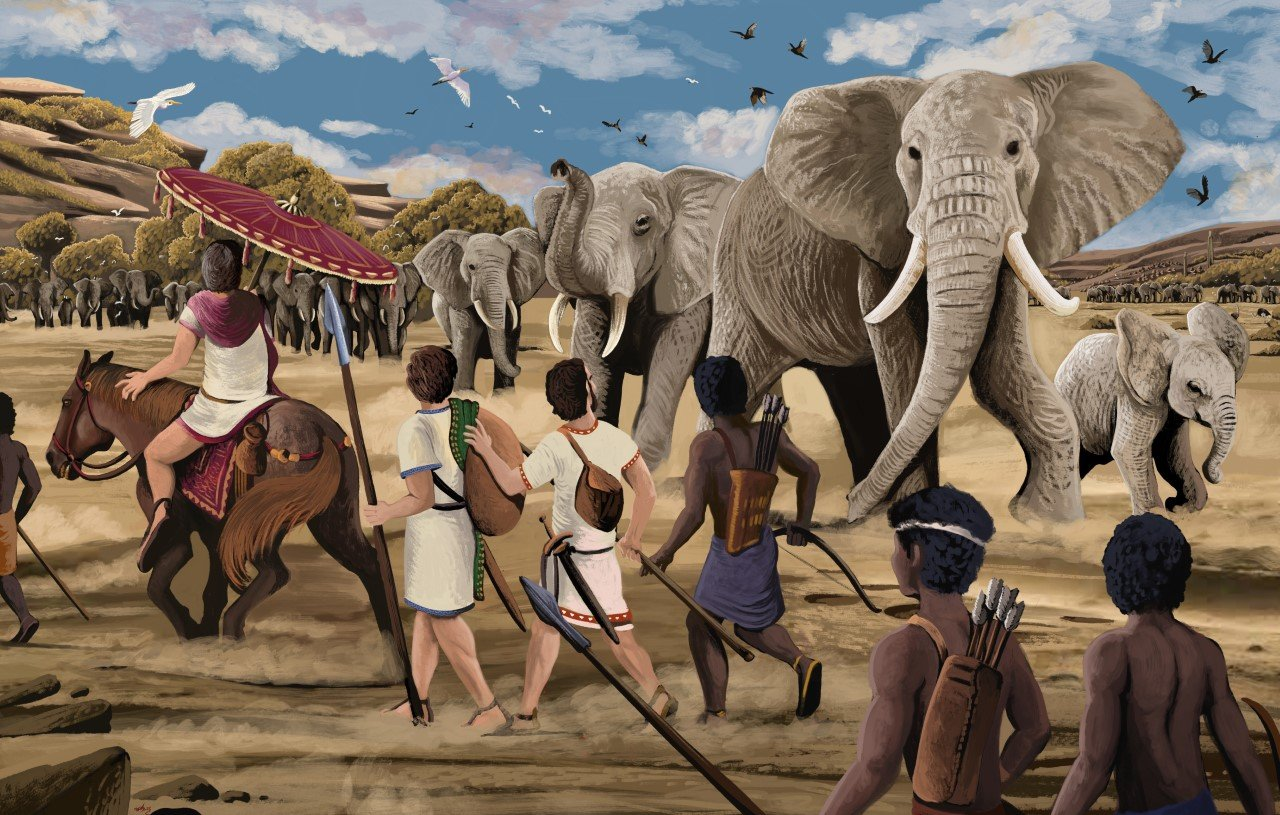
In ancient India, war elephants formed elite military units trained for battle. African rulers used elephant imagery to express royal authority and divine legitimacy. Ivory carvings, throne decorations, and ceremonial objects emphasized the prestige associated with elephants. Across both continents, elephants represented dignity, endurance, and sacred connection to the earth.

← The Ancient Oracle of Delphi: Voice of the GodsThe Sacred Fire Rituals of the Zoroastrians →
Featured
image_2026-01-28_190316644.png
Jan 28, 2026
Additional €350k in funding for scheme to safeguard Irish UNESCO World Heritage sites announced
Jan 28, 2026
Read More →
Jan 28, 2026
image_2026-01-28_190002439.png
Jan 28, 2026
Twisting Narratives on the History of “Khom” and the Authentic Heritage of Prasat Chan
Jan 28, 2026
Read More →
Jan 28, 2026
image_2026-01-28_184510824.png
Jan 28, 2026
The Taş Tepeler Horizon Expands: Göbeklitepe-Style T-Pillars Discovered in Adıyaman
Jan 28, 2026
Read More →
Jan 28, 2026
image_2026-01-28_184059199.png
Jan 28, 2026
Long before Cleopatra, another female pharaoh redefined ancient Egyptian power
Jan 28, 2026
Read More →
Jan 28, 2026
image_2026-01-28_181544431.png
Jan 28, 2026
Bronze Age secrets unearthed at Northumberland dig site
Jan 28, 2026
Read More →
Jan 28, 2026
image_2026-01-28_180229695.png
Jan 28, 2026
Discovery of monumental sacred lake at Karnak
Jan 28, 2026
Read More →
Jan 28, 2026
read more

Powered by The archaeologist