Origins of Assyrian Military Power
The Neo-Assyrian Empire (c. 911–609 BCE) was renowned for its formidable military organization. Assyrian kings centralized power and maintained professional armies capable of rapid mobilization, ensuring dominance across Mesopotamia and the Near East.
Tactics and Strategies
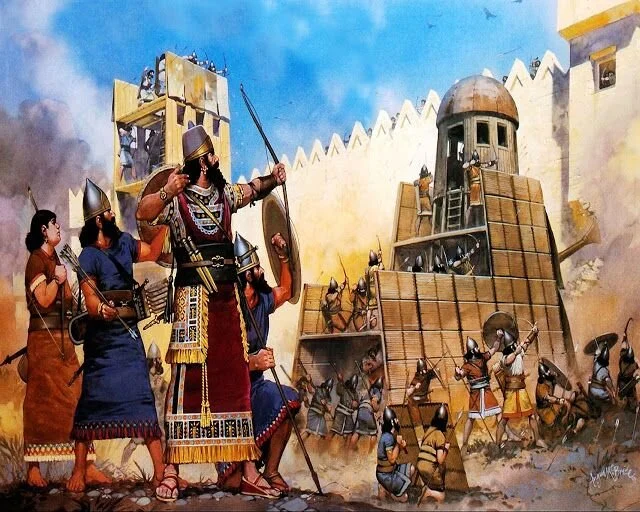
Assyrians employed advanced siege tactics, including battering rams, siege towers, and sappers to breach city walls. Their armies combined infantry, cavalry, and chariotry in coordinated attacks, demonstrating sophisticated battlefield strategy. Psychological warfare, including intimidation and propaganda, further amplified their effectiveness.
Engineering and Logistics
The Assyrians were skilled engineers. They constructed fortified roads, bridges, and canals to supply and maneuver their troops efficiently. Their siege engines, often made of wood and metal, required careful planning and skilled labor, reflecting the empire’s technological sophistication.
Impact on Conquered Regions
Assyrian sieges often resulted in mass deportations and the imposition of vassal rulers. While brutal, these tactics enabled the empire to maintain control over a vast and diverse population. Archaeological evidence, including reliefs and inscriptions, depicts the scale and intensity of these military campaigns.
Legacy
The Neo-Assyrian military innovations influenced later empires, including the Persians and Macedonians. Their combination of strategy, engineering, and psychological warfare made them one of the most formidable powers of the ancient world, setting a standard for organized, professional armies.