Historical Context of the Conflict
– The Egyptian and Hittite empires were two of the most powerful states of the Late Bronze Age, often clashing over control of Syria and key trade routes.
– Their rivalry reached a peak during the Battle of Kadesh (1274 BCE), one of the largest chariot battles ever recorded.
– Despite both sides claiming victory, neither empire gained a decisive advantage, leading to decades of costly military tension that exhausted resources on both sides.
Creation of the Peace Treaty
– Around 1259 BCE, the kingdoms recognized the need for stability and diplomatic cooperation, resulting in the world’s first known written peace treaty.
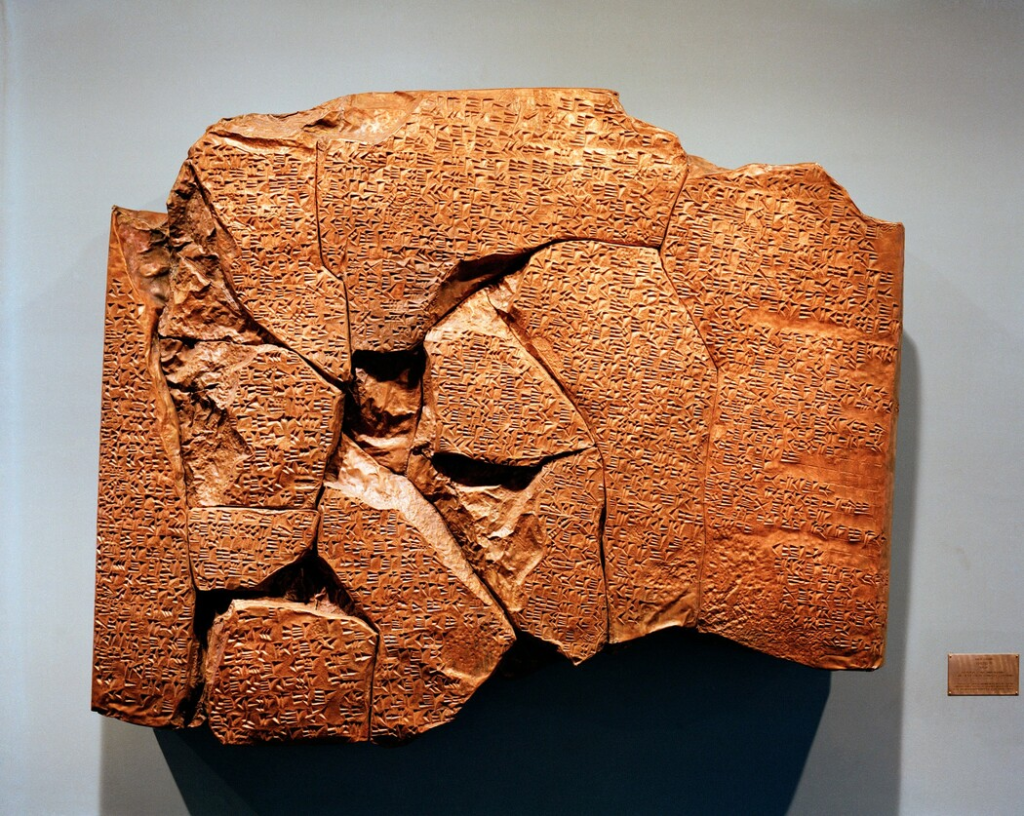
– The treaty was inscribed on clay tablets in cuneiform and on silver tablets in Egyptian hieroglyphs, ensuring the document could be preserved and shared between both courts.
– The agreement was negotiated directly between Pharaoh Ramesses II and Hittite King Hattušili III, who sought political legitimacy and regional security.
Key Terms and Diplomatic Agreements
– The treaty declared a formal end to hostilities and a promise of eternal peace between the two nations.
– Both sides agreed on mutual defense obligations, pledging to support each other in the event of internal rebellion or foreign invasion.
– Extradition clauses were included to ensure fugitives or political refugees would be returned, with guarantees they would not be harmed.
Legacy of the Treaty
– The treaty set the foundation for improved political relations, later strengthened by diplomatic marriages between Egyptian royalty and Hittite princesses.
– It became a landmark in the history of diplomacy, representing one of the earliest examples of international law.
– A replica of the treaty now hangs in the United Nations headquarters, symbolizing ancient contributions to modern peacekeeping principles.